 Whatcom County
 Deck Repair Built for the Silver Beach Setting
Homes around Silver Beach sit close to Lake Whatcom, under heavy tree canopy that keeps yards shaded and decks damp for a good part of the year. Add in the rest of Whatcom County's marine climate — salt air off Bellingham Bay, driving rain that comes in sideways more often than straight down, and a moss season that can run from October through April — and you've got conditions that are hard on any outdoor structure. Decks take the worst of it because they're horizontal, low to the ground, and built with dozens of joints where water can sit.
We repair a lot of decks in this part of the county, and the failure patterns are consistent: shaded boards that never fully dry out, ledger connections that let water behind the siding, and framing that looks fine from the top but is soft underneath. This page covers what actually goes wrong with decks in this setting, what a correct repair involves, and how we approach the work.
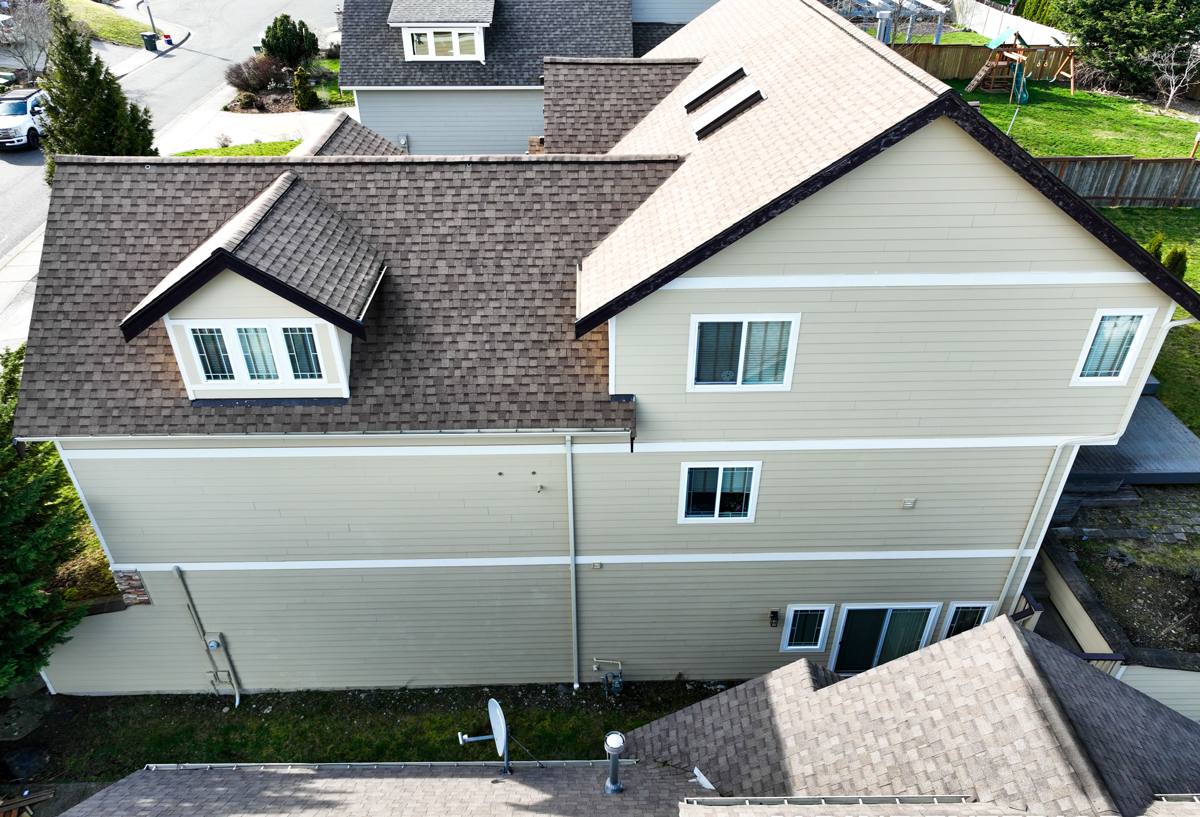
Why Tree Cover and Lake Proximity Change the Math
A deck in full sun dries out between storms. A deck under mature trees, a few dozen yards from the lake, often doesn't — especially through the fall and winter. That constant low-level moisture is what drives moss and algae growth on decking boards, and it's also what feeds rot in framing lumber that isn't properly treated or ventilated. Fallen leaves and needles pack into board gaps and against the house, holding water right where it does the most damage.
None of this means a deck in Silver Beach is doomed — it means the details that get skipped on an easier site (drainage gaps, flashing, ventilation under the deck) matter a lot more here than they would on an open, sunny lot.
Signs You're Looking at Repair, Not a Full Rebuild
- Soft or spongy spots when you walk the deck, especially near the house or stair landing
- Green or black staining on boards that doesn't scrub off, or moss growing between boards
- Nails or screws backing out, or fasteners with rust bleeding into the wood
- Gaps or staining where the deck meets the siding (a sign water is getting behind the ledger board)
- Loose or wobbly railings and posts
- Visible daylight or gaps at stair stringers, or steps that flex underfoot
- Musty smell or visible fungus from underneath the deck
Most of what's on that list is repairable if it's caught early. The exceptions are widespread structural rot in the main framing (joists, beams, or the ledger itself) or footings that have shifted — those usually mean partial or full reconstruction rather than a patch.
What a Correct Deck Repair Actually Involves
A repair that just replaces the boards you can see and leaves the rest alone tends to fail again within a couple of seasons in this climate. A repair that holds up addresses what's underneath.
The Ledger Board Connection
The ledger is the board that attaches the deck to the house, and it's the single most common source of hidden water damage. If it's not properly flashed, rain running down the siding gets channeled straight into the house framing behind it — a problem that can go unnoticed for years because it's hidden by the decking above. Any repair that touches structural framing near the house is a chance to check this connection and correct it if the flashing is missing or failing.
Framing and Fasteners
Joists, beams, and posts need to be checked for rot with more than a visual look — we probe suspect areas with an awl, because wood can look sound on the surface while soft underneath. Where framing lumber is pressure-treated, fasteners and joist hangers need to be rated for contact with treated lumber; standard galvanized hardware corrodes quickly against modern treated wood chemicals, which is a mistake we see on older repairs.
Drainage and Airflow
Board spacing, gaps at the house, and clear ventilation underneath the deck all affect how fast it dries out between rains. Part of a proper repair is restoring that airflow — clearing debris that's packed into gaps, correcting boards that were installed too tight, and making sure water has somewhere to go instead of pooling against the framing.
Railings and Stairs
Loose railings are a safety issue, not just a cosmetic one, and Washington building code sets baluster spacing limits (no more than 4 inches between pickets) for a reason. Stair stringers that have started to rot at the base are a common failure point we check on every repair, since they're often in near-constant contact with wet ground or mulch.
Repair or Replace: What Actually Decides It
| Factor | Leans Toward Repair | Leans Toward Rebuild |
|---|---|---|
| Framing condition | Solid when probed, isolated soft spots | Widespread rot in joists or beams |
| Footings/posts | Level, no movement | Settling, shifting, or undersized for current code |
| Ledger connection | Flashed correctly, dry behind decking | Water staining on rim joist or house sheathing |
| Decking surface | Moss/staining but wood is sound | Boards crumble or split when probed |
| Age of structure | Under 15-20 years, built to code | Older, undersized, or non-permitted original build |
Most Silver Beach decks we look at fall into the repair column — the surface takes the visible beating while the bones are still sound. But we'll tell you honestly if we find something that makes a rebuild the smarter long-term investment rather than sinking money into a structure that will keep needing patches.
Decking Material Choices for a Shaded, Wet Site
What you repair or replace the surface with matters as much as the repair work itself, especially in a spot that stays damp longer than average.
| Material | Moisture Behavior | Maintenance | Notes for This Setting |
|---|---|---|---|
| Cedar | Naturally rot-resistant but still needs sealing | Annual cleaning, re-stain/seal every 2-3 years | Looks great, but shade and moss buildup shorten the interval between refinishing |
| Pressure-treated pine/fir | Treated for ground contact, but cut ends and fasteners need sealing | Lower cost, needs periodic sealing | Budget-friendly; we're careful about fastener compatibility with the treatment chemicals |
| Composite decking | Doesn't rot, but can trap surface moisture and grow moss/algae on top | Occasional cleaning, no staining or sealing | Good fit for shaded lots if you're diligent about cleaning; still needs sound, ventilated framing underneath |
We don't push one material over another as a blanket rule — it's a genuine trade-off between upfront cost, appearance, and how much upkeep you want to do. Our job is to lay out the honest maintenance burden of each option for a shaded, near-water lot like this one, not just sell whatever's easiest for us to install.
Our Repair Process
- Inspection: We walk the full structure, probe framing and stair stringers for soft wood, check the ledger connection, and look underneath at footings and posts.
- Written scope: You get a clear breakdown of what's failing, what we recommend fixing, and what it costs — no vague "we'll see once we open it up" pricing on work we can inspect ahead of time.
- Permits where required: Structural work — replacing a ledger, footings, or load-bearing framing — typically needs a permit. We handle that process as part of the job rather than leaving it on you.
- The repair: Framing and fasteners get replaced to current standards, flashing gets corrected, and decking is reinstalled with proper spacing for drainage.
- Final check: Railings, stairs, and fastener points get tested before we consider the job done.
Keeping Moss and Rot From Coming Back
A good repair buys you years, not decades, if the deck goes right back to sitting wet under tree cover with no maintenance. A few habits go a long way here:
- Sweep leaves and needles out of board gaps before fall rains set in, not after
- Rinse moss and algae off with a deck cleaner and stiff brush rather than a pressure washer on full blast, which can damage wood fibers and force water into joints
- Trim back branches that keep sections of the deck in permanent shade, if that's practical for your lot
- Reseal wood decking on the schedule the product calls for — skipping a year in this climate costs you more than the sealing job would have
- Check the ledger flashing and any visible fasteners once a year for rust or gaps
Why Local Experience With This Kind of Site Matters
A deck repair crew that mostly works drier, sunnier lots will size up moisture problems differently than one that regularly works shaded, lake-adjacent properties in Whatcom County. We've seen how fast moss reestablishes on a north-facing deck here, which framing details actually hold up through a wet winter, and where the previous owner's quick fixes tend to fail first. That's not a substitute for a careful inspection of your specific deck, but it does mean fewer surprises and a repair scope built around how this property actually behaves through the year, not a generic checklist.
If you're seeing soft spots, moss buildup, or staining near where your deck meets the house, it's worth having someone look before it turns into a bigger repair. We offer free, no-pressure estimates for Silver Beach homeowners — use the form below to get one scheduled.