 Whatcom County
 Siding in Fairhaven: Built for Life Near Bellingham Bay
Fairhaven sits right up against saltwater, and that changes what a house needs from its exterior. Homes here take on a mix of weather that inland Whatcom County neighborhoods don't see in quite the same combination: salt-laden air coming off the bay, long stretches of driving rain pushed in by wind, and a moss and mildew season that can run most of the year in shaded, damp spots. Siding that would hold up fine on a dry side of a hill twenty miles east can start showing problems here years earlier if it wasn't built or installed with this specific climate in mind.
We work throughout Whatcom County, and Fairhaven is one of the areas where the difference between a siding job done right and one done "good enough" shows up fastest. This page walks through what the local climate actually does to exterior materials over time, what we install and why, and how we approach projects on homes exposed to bay weather.
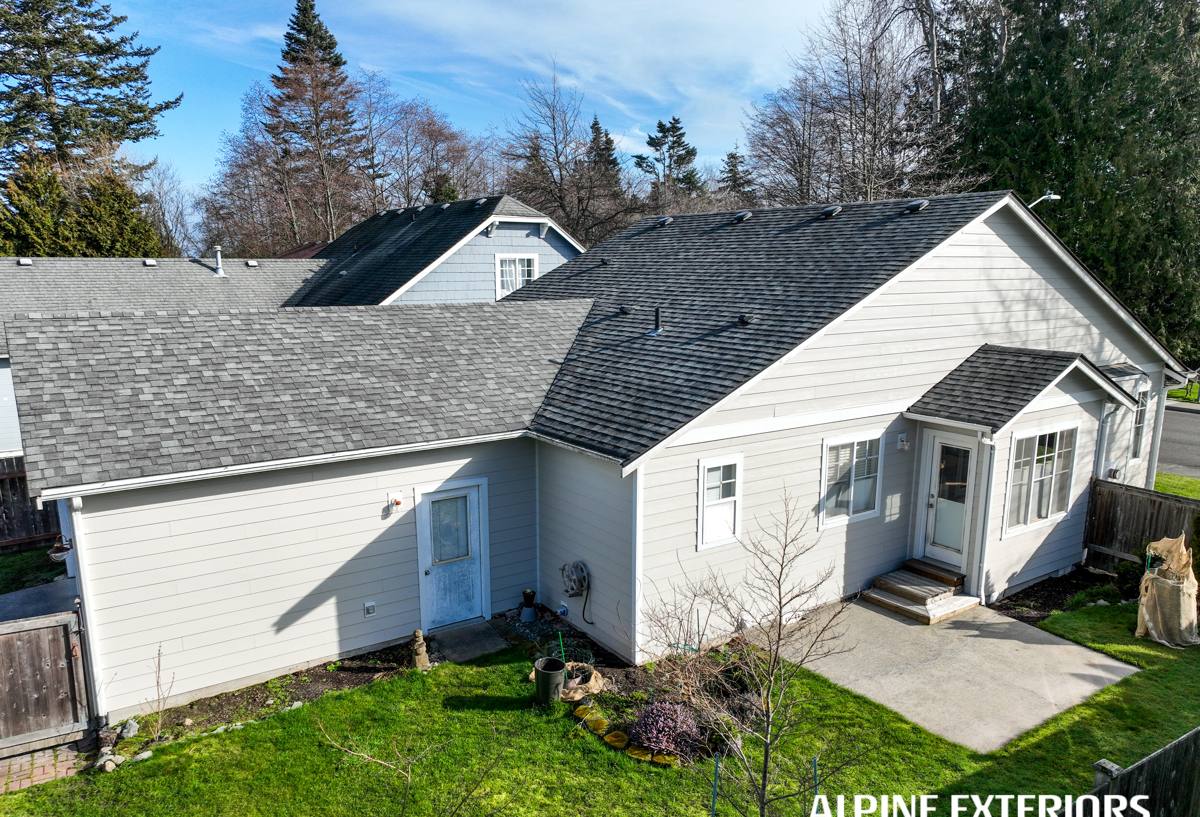
What Fairhaven's Climate Does to Siding Over Time
Salt Air and Coastal Exposure
Salt in the air isn't just a coastal talking point — it's a real mechanism of deterioration. Airborne salt settles on exterior surfaces and accelerates corrosion of exposed metal fasteners, flashing, and trim, and it can work into porous or poorly sealed siding materials over time. Homes closer to the water get this exposure more consistently than homes set back inland, which is one reason material choice and fastener quality matter more in Fairhaven than they do a few miles away.
Driving Rain and Wind-Driven Moisture
Whatcom County gets a lot of rain generally, but bay-front and near-bay neighborhoods also get wind-driven rain — moisture pushed sideways into wall assemblies rather than just falling straight down. That matters because a lot of siding failures aren't caused by rain hitting the face of the wall; they're caused by moisture finding its way behind the siding through gaps, poor flashing, or seams that weren't sealed correctly. Wind-driven rain finds those gaps faster than calm rain does.
Moss, Mildew, and the Long Wet Season
Between the marine humidity and the shade many Fairhaven properties get from mature trees, moss and mildew growth is a near-constant maintenance issue for exterior materials that can't shed moisture well. Wood-based products are especially vulnerable — moss holds moisture against the surface, and that moisture is what eventually leads to rot, delamination, or paint failure, not the moss itself.
Why We Install Only James Hardie Fiber Cement
We install James Hardie fiber cement siding exclusively. We don't install vinyl, LP SmartSide, Cemplank, Allura, or primed wood siding, and we're upfront about why: in a climate like this one, the material's long-term behavior matters more than its upfront cost or how it looks on install day. Fiber cement is non-combustible, doesn't feed moss and mildew the way wood-based products can, and holds its shape and paint line far more consistently through repeated wet-dry cycles.
The HZ5 Product Line Engineered for Marine Climates
James Hardie engineers its siding in regional formulations matched to climate zones, and the HZ5 line is built for areas with significant moisture exposure like the Pacific Northwest — including coastal and near-coastal Whatcom County. It's also finished with Hardie's ColorPlus factory-applied finish, which is baked on under controlled conditions rather than field-painted, giving it better fade and wear resistance than a coat of paint applied on site. That matters on a home that's going to sit in salt air and rain for the next several decades.
| Material | Moisture / Rot Resistance | Moss & Mildew Behavior | Combustibility | Typical Finish Life |
|---|---|---|---|---|
| James Hardie Fiber Cement | Very high — engineered cement composite | Doesn't feed organic growth | Non-combustible | 15+ years on ColorPlus finish |
| Vinyl Siding | Doesn't rot, but seams and moisture can get trapped behind it | Can trap moisture where growth occurs | Combustible, can warp near heat | Fades, brittles with UV over time |
| LP SmartSide (engineered wood) | Wood-based; vulnerable if seals fail | More susceptible than fiber cement | Combustible | Field-painted, shorter repaint cycle |
| Cedar / Primed Wood | Requires diligent maintenance | High susceptibility in shade/damp areas | Combustible | Frequent repainting/resealing needed |
Every product on that list has legitimate uses somewhere. Our position is narrower: for the specific combination of salt air, driving rain, and a long moss season that Fairhaven homes deal with, fiber cement is the material we're willing to warranty our installation work on.
Signs Your Fairhaven Home Needs New Siding
- Visible moss or dark streaking that returns quickly after cleaning, especially on north- or shade-facing walls
- Soft spots, bubbling, or a "give" when you press on wood-based siding
- Paint that's peeling, chalking, or failing faster than the repaint cycle you'd expect
- Cupped, warped, or separating siding boards, particularly near corners and seams
- Rust staining running down from fasteners or metal trim
- Rising energy bills alongside drafts near exterior walls, which can point to failing sheathing or insulation behind old siding
- Visible gaps or caulk failure around windows, doors, or siding seams
How We Approach a Siding Project in Fairhaven
Every project starts with an actual inspection of the wall assembly, not just the visible siding. On homes near the bay, we pay particular attention to what's happening behind the siding — whether the sheathing has taken on moisture, whether prior flashing was installed correctly, and whether trim and fastener choices held up. This matters more here than in drier inland areas, because a wall that's been absorbing wind-driven rain for years can have hidden damage even when the siding itself still looks presentable from the street.
From there, our process is straightforward:
- Inspect the existing siding, trim, and underlying sheathing for moisture damage before quoting the job
- Remove old siding and address any compromised sheathing or framing found underneath
- Install or correct the water-resistive barrier and flashing details around windows, doors, and penetrations — this is where most long-term failures actually start
- Install James Hardie fiber cement to manufacturer specifications, including correct fastener spacing and clearances
- Finish with trim, caulking, and touch-up work matched to the ColorPlus finish
We take flashing and water management seriously because it's the part of the job nobody sees once the siding is up — and it's the part that determines whether the house is still dry behind the walls in fifteen years.
Beyond Siding: Roofing, Windows, and Decks
Siding doesn't work in isolation. A roof that's shedding water improperly, windows with failed seals, or a deck ledger board that's trapping moisture against the house can all undermine even a well-installed siding job. We handle roofing, window replacement, and deck construction alongside siding work, which lets us look at a Fairhaven home's exterior as one connected system rather than a series of separate projects — particularly useful when moisture problems in one area are affecting another.
Cost Factors for Siding Replacement in Fairhaven
Every home is different, and we don't quote sight-unseen, but these are the factors that most affect the price of a siding project in this area:
| Factor | Why It Matters |
|---|---|
| Home size and wall complexity | More corners, dormers, and trim details mean more labor and material cuts |
| Condition of existing sheathing | Moisture damage found during tear-off adds repair scope before new siding goes on |
| Siding profile and color selection | Lap width, shingle-style panels, and custom ColorPlus colors vary in material cost |
| Accessibility and site conditions | Waterfront lots, retaining walls, or tight access can affect staging and labor time |
| Trim and flashing scope | Full trim replacement and upgraded flashing add cost but reduce future moisture risk |
We give straightforward, written estimates after an in-person look at the home — not a ballpark over the phone.
Why a Local Crew Matters
A crew that works across Whatcom County regularly sees how differently the climate treats homes just a few miles apart. That's practical knowledge — knowing which details of a bay-front installation need extra attention, how local moss and moisture patterns show up, and what correct flashing and clearances actually require in this weather, not just on paper. It also means we're accountable locally if a question comes up after the work is done, not routed through a call center for a crew that's moved on to another state.
If your Fairhaven home's siding is showing its age, or you're planning ahead before problems start, we're happy to take a look and give you a straightforward, no-pressure estimate. There's a form below to get started.