 Whatcom County
 Siding Built for Sehome's Climate
Sehome sits close enough to Bellingham Bay that homes here deal with a specific mix of weather stress: salt-laden air drifting off the water, long stretches of driving rain through fall and winter, and short, low-angle winter sun that lets moisture sit on north-facing walls for weeks at a time. Add in the moss and algae that thrive in Whatcom County's damp, mild climate, and you've got a recipe for siding that looks tired years before it should. We've been doing exterior work in this part of Washington long enough to know what actually holds up here versus what just looks good on a sales brochure.
This page is about what Sehome homeowners should know before their next siding, roofing, window, or deck project — written plainly, without the fluff.
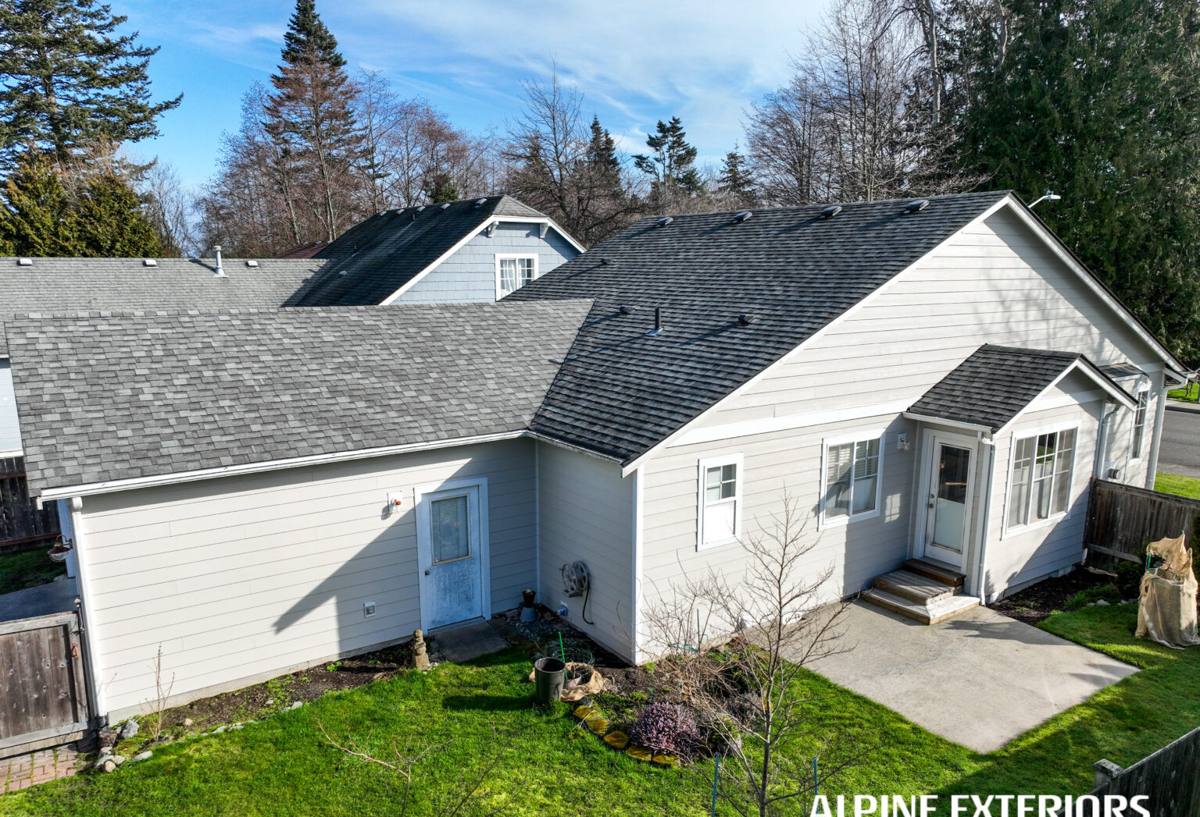
What Local Homes Are Up Against
Salt Air and Coastal Moisture
Proximity to the bay means airborne salt settles on exterior surfaces and accelerates corrosion of fasteners, trim, and any siding material that isn't engineered to handle it. Salt exposure also draws moisture into porous or poorly sealed materials, which is a slow, quiet way for an exterior to fail from the inside out.
Driving Rain and Wind-Driven Water
Whatcom County's rain rarely falls straight down. Storms off the water push rain sideways into walls, which puts real pressure on seams, laps, and butt joints. Siding systems that rely on caulk or paint film alone to keep water out tend to show their weaknesses within a handful of winters.
Moss, Algae, and Extended Damp Season
Shaded lots, mature trees, and long overcast stretches keep north- and east-facing walls damp for much of the year. That's ideal growing conditions for moss and algae, which not only look bad but can trap moisture against the wall surface if left unaddressed.
Temperature Swings and Material Movement
While Whatcom County doesn't see extreme heat, the swing between cold, wet winters and warmer, drier summers still causes wood-based and composite products to expand, contract, and eventually crack or separate at the joints if they weren't installed with the right gaps and flashing details.
Why We Only Install James Hardie Fiber Cement
We get asked regularly why we don't offer vinyl, LP SmartSide, cedar, primed spruce, or other fiber cement brands like Cemplank or Allura. The honest answer is that after years of exterior work in this climate, we standardized on one product because it consistently performs and we don't want to install something on a client's home that we wouldn't stand behind five, ten, or twenty years later.
Non-Combustible and Stable
James Hardie siding is fiber cement — it doesn't burn, warp, or feed pests the way wood-based products can. That matters in a region where homeowners increasingly ask about wildfire-resistant building materials, and it matters for long-term dimensional stability against the area's damp-to-dry seasonal swings.
Factory-Applied Finish
Hardie's ColorPlus finish is baked on at the factory under controlled conditions, rather than field-painted after installation. That finish is formulated to resist fading and hold up against the kind of UV and moisture cycling that's common here, and it comes with its own finish warranty separate from the product warranty.
Climate-Engineered Product Lines
Hardie builds region-specific HZ5 products engineered for wetter, cooler climates like the Pacific Northwest — different from the HZ10 lines built for hot, humid southern states. That's not marketing; it reflects real differences in how the product is formulated to handle moisture cycling and freeze-thaw stress.
What We're Passing On, and Why
- Vinyl siding: lightweight and affordable, but it can warp in heat, become brittle in cold, and its seams and J-channels give wind-driven rain more opportunities to find a way in.
- LP SmartSide: an engineered wood product — treated to resist moisture, but wood-based products still depend heavily on flawless caulking and flashing to keep water out over the long run, which is a hard standard to guarantee on every seam of every home.
- Cedar and primed spruce: beautiful when new, but real wood requires ongoing refinishing, staining, or painting to keep moisture out — a maintenance commitment a lot of homeowners underestimate until they're a decade in.
- Cemplank and Allura: also fiber cement, and reasonable products in their own right — we simply have more field experience, tighter installation training, and a stronger warranty relationship with Hardie specifically, so that's what we put our name behind.
How We Approach a Sehome Siding Project
Assessment First
We start by looking at what's actually happening on the walls — moisture staining, moss buildup patterns, failed caulk joints, soft trim — before ever talking about product selection. That tells us where water has been getting in and what the new siding system needs to solve.
Water Management Behind the Siding
Siding is only half the system. Proper house wrap, flashing at windows and doors, and a drainage plane behind the cladding matter just as much as the siding material itself — especially in a climate that sees this much wind-driven rain. We don't cut corners here even when it's invisible once the job is done.
Correct Hardie Installation Details
Fiber cement performs the way it's supposed to only when it's installed to Hardie's specifications — proper fastener spacing, correct clearances from grade and roof lines, sealed and primed cut edges, and lap details that shed water instead of trapping it. This is where a lot of the "why did my siding fail" complaints actually originate, and it's why installation quality matters as much as the product choice.
Roofing, Windows, and Decks — The Rest of the Exterior
Siding rarely fails in isolation. A roof that's shedding water improperly, windows with failed flashing, or a deck ledger board that's trapping moisture against the house can all undermine even a well-installed siding job. We handle all four trades for that reason — it lets us look at a home's exterior as one connected water-management system rather than four separate projects, which matters a lot in a climate this wet.
Signs It's Time to Have Your Exterior Looked At
- Visible moss or algae streaking on siding, especially on shaded or north-facing walls
- Soft or spongy spots when you press on trim, fascia, or siding panels
- Paint that's peeling, bubbling, or failing faster than it used to
- Visible cracking, warping, or separation at siding seams and joints
- Interior signs like musty smells, peeling wallpaper, or discoloration near exterior walls
- Roof valleys or flashing showing granule loss, rust, or visible gaps
What a Siding Replacement Actually Involves
| Stage | What Happens | Why It Matters Here |
|---|---|---|
| Assessment | Walk the exterior, check for moisture damage, moss patterns, and existing water-management failures | Identifies root causes, not just surface symptoms, before any material is ordered |
| Removal | Old siding and trim removed down to sheathing | Reveals hidden rot or moisture damage common in older Whatcom County homes |
| Water Barrier | House wrap and flashing installed or repaired at all penetrations | This is the layer that actually stops wind-driven rain from reaching the wall structure |
| Hardie Installation | Fiber cement siding installed to manufacturer spec, including fastener pattern and clearances | Correct installation is what makes the HZ5 climate engineering actually deliver on its promise |
| Trim & Finish | Trim, caulking, and detail work at corners, windows, and transitions | Detail work is where most future leaks start if rushed |
Cost Factors to Expect
Every home is different, but a few things reliably move the price on a Sehome siding project:
- Square footage and home shape — more corners, dormers, and transitions mean more labor and trim work.
- Condition of the sheathing underneath — hidden rot or water damage found during removal adds repair scope.
- Siding profile choice — lap siding, shingle-style panels, and board-and-batten all price differently in materials and install time.
- Trim and accent work — window trim, fascia, and accent bands add both material and labor.
- Access — steep lots, tight setbacks, or multi-story sections can affect equipment and labor time.
We give firm, itemized quotes after an in-person assessment rather than ballpark numbers over the phone — too many of these variables depend on what's actually happening on your specific home.
Why a Local Crew Matters
A siding crew that only works occasionally in Whatcom County doesn't build the same instinct for where water actually gets into these homes. Knowing which wall orientations take the worst of the wind-driven rain, how much moss pressure to expect on a shaded lot, and how the local damp season stresses different materials over years — that comes from doing this work here, repeatedly, not from a general contracting playbook applied everywhere the same way.
If your Sehome home's siding, roofing, windows, or deck are showing their age, we're happy to take a look and give you a straightforward, no-pressure estimate — just fill out the form below.