 Whatcom County
 Siding Built for Silver Beach's Climate
Homes in Silver Beach sit close enough to the water that the weather here plays by its own rules. Salt-laden air moves through the neighborhood on a regular basis, wind-driven rain comes in sideways during fall and winter storms, and the shaded, moisture-heavy conditions common to this part of Whatcom County keep moss and algae active for most of the year. Any exterior material installed here has to hold up to all three at once, not just survive one bad season.
We install siding, roofing, windows, and decks for homeowners throughout Whatcom County, and Silver Beach is one of the areas where we see the climate's effects on exterior materials most clearly. Wood trim that softens at the corners, vinyl that's gone brittle and cracked, paint that's failed early because the substrate underneath couldn't stay dry — we've walked enough of these properties to know what our regional weather does to the wrong product over time.
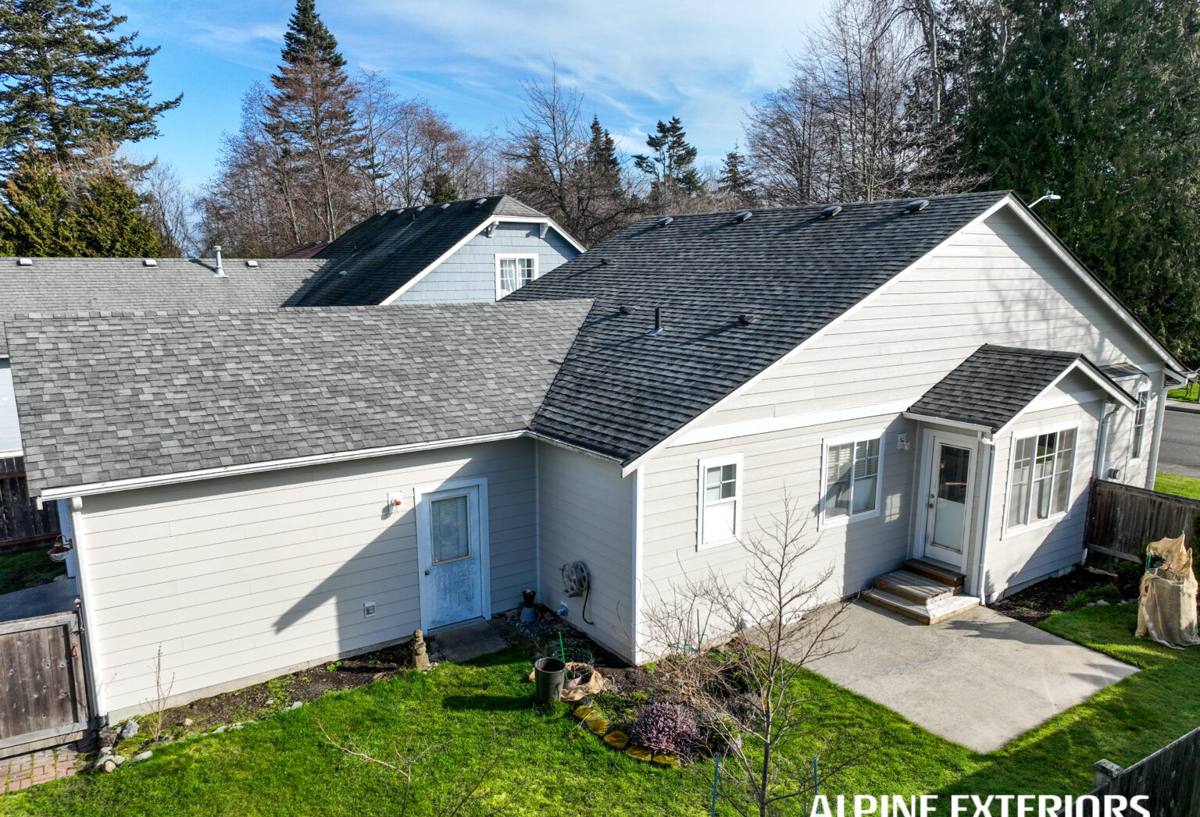
What Local Homes Are Up Against
Salt Air and Corrosion
Airborne salt doesn't just affect fasteners and flashing near the immediate waterfront — it travels, and over years it accelerates corrosion on anything metal and speeds up the breakdown of lower-quality siding materials. Homes closer to open water see this first, but the effect reaches well inland through Silver Beach and the surrounding shoreline communities.
Driving Rain and Wind Exposure
Storms coming off the water tend to push rain horizontally rather than straight down, which puts far more stress on siding laps, trim joints, and window flashing than a typical vertical rain event would. Products that rely on tight seams and perfect caulking to stay watertight are the first to show problems when wind-driven rain becomes routine instead of occasional.
Moss, Algae, and Shade
Mature trees and cooler, damp air keep north-facing walls and shaded siding runs wet for extended stretches, especially through the fall and winter months. That's exactly the environment moss and algae need to take hold. Once organic growth establishes itself on a porous or absorbent siding surface, it holds moisture against the wall and accelerates whatever damage is already happening underneath.
Why We Only Install James Hardie Fiber Cement
We made a decision as a company to install one siding system — James Hardie fiber cement — and to stop installing several others we used to offer. That wasn't a marketing decision. It came from years of service calls on wood, vinyl, and other fiber cement products in exactly this kind of coastal, high-moisture climate.
What We Stopped Installing, and Why
- Vinyl siding: lightweight and inexpensive, but it expands and contracts with temperature swings, can warp or crack under wind loads, and doesn't hold paint if a homeowner ever wants to change the color.
- Cedar and primed spruce: beautiful when new, but wood siding needs consistent repainting and caulking to stay ahead of moisture, and in a climate with this much sustained dampness, maintenance intervals shrink fast.
- LP SmartSide (engineered wood): more moisture-resistant than raw wood, but it's still a wood-based substrate, meaning edge swelling and moisture sensitivity remain real risks if caulking and paint aren't kept up.
- Cemplank and Allura (other fiber cement brands): legitimate fiber cement products, but we standardized on one manufacturer so our crews install one system to spec every time, back it with one warranty structure, and never have to guess which product is on a given wall during a repair.
None of these are "bad" products in every application. But for the specific combination of salt air, wind-driven rain, and heavy shade that defines this part of Whatcom County, we decided the trade-offs weren't worth it on the homes we're putting our name behind.
Why James Hardie Fits This Climate
James Hardie fiber cement is made from cement, sand, and cellulose fibers — it's non-combustible, doesn't swell or rot when it gets wet, and isn't a food source for the moss and algae that thrive in shaded, damp conditions the way wood products can be. The factory-applied ColorPlus finish is baked on under controlled conditions rather than brushed on at the job site, which means better adhesion and a finish that resists fading and peeling far longer than field-applied paint.
HZ5 Engineering for Wet, Coastal Conditions
Hardie engineers its products in different formulations for different climate zones. The HZ5 line is built for wetter, more variable climates — which is a good match for Whatcom County's rain totals, humidity, and freeze-thaw cycling. It's a material designed for this kind of weather rather than one that merely tolerates it.
Warranty You Can Actually Use
Hardie backs its siding with a strong, transferable limited warranty on the material, and ColorPlus finishes carry their own separate finish warranty. Because installation quality affects warranty coverage, we install to Hardie's published specifications on every job — correct nailing patterns, proper clearances, and flashing details that keep water managed and moving away from the wall assembly.
How the Job Actually Works
Assessment and Estimate
We start by walking the exterior with you, looking at current siding condition, trim, flashing, and any moisture or moss issues already showing up on the walls. That inspection is what an estimate is based on — not a generic square-footage guess.
Removal and Substrate Check
Once old siding comes off, we check the sheathing and framing underneath for hidden moisture damage. This step matters more in Silver Beach than in drier parts of the state, since sustained dampness behind failing siding can go unnoticed for years.
Weather Barrier and Flashing
Correct water management — house wrap, flashing at windows, doors, and roof-to-wall transitions — is what actually keeps a home dry, regardless of what siding goes on top. We treat this step as non-negotiable, especially in a climate where wind-driven rain tests every seam.
Installation to Manufacturer Spec
Hardie panels, planks, and trim go on following the manufacturer's fastening and clearance requirements. This includes proper gaps at grade and roof lines, correct fastener spacing, and joint treatment designed to shed water rather than trap it.
Final Walkthrough
We go over the finished job with you before calling it complete, so you know what was done and what ongoing care (if any) the exterior needs going forward.
Cost Factors for Silver Beach Homes
Every home is different, but a few factors consistently move the price on siding projects in this area:
| Factor | Why It Matters |
|---|---|
| Home size and wall complexity | More corners, gables, and dormers mean more cutting, trim, and labor time |
| Current siding condition | Hidden moisture damage behind old siding adds sheathing or framing repair costs |
| Trim and accent details | Board-and-batten accents, shakes, or custom trim profiles add material and labor |
| Access and site conditions | Slopes, mature landscaping, or tight lot lines near the water can affect staging and scaffolding |
| Color and finish selection | Factory ColorPlus finishes vary slightly in cost depending on the color and product line chosen |
We walk through these factors during the estimate so there are no surprises once the project starts.
Roofing, Windows, and Decks — The Rest of the Envelope
Siding is only part of what keeps a Silver Beach home dry. We also handle roofing, window replacement, and deck construction, because these systems all interact. A roof that's shedding water improperly onto a wall, or a window that's flashed incorrectly, will undermine even a well-installed siding job. When we're on-site for a siding project, we're looking at the whole exterior envelope, not just the walls.
Roofing
Roof condition directly affects how much water reaches your siding and trim. Damaged flashing or aging roofing material near wall transitions is one of the most common causes of siding failure we find during tear-off.
Windows
Old or poorly flashed windows are a frequent moisture entry point, especially on walls exposed to driving rain. When we replace siding around existing windows, we check flashing integration as part of the job.
Decks
Outdoor living space takes a beating from the same salt air and dampness that affects siding. Deck framing and ledger connections need the same attention to moisture management as any other part of the exterior.
Why a Local Crew Matters Here
Whatcom County's coastal and lake-adjacent neighborhoods don't behave like inland Washington, or like the drier parts of the state where a lot of national siding guidance gets written. A crew that works this area regularly knows which walls take the worst of the wind-driven rain, where moss builds up fastest, and how salt exposure changes maintenance expectations over time. That local knowledge shapes real decisions on a job — where extra flashing attention matters most, which sides of the home need closer inspection during tear-off, and what to expect from a given product years down the road in this specific climate.
A pre-project checklist we walk through with homeowners in this area:
- Inspect current siding for moss, soft spots, or cracking, especially on shaded and north-facing walls
- Check trim, window, and door flashing for signs of past water intrusion
- Look at roof-to-wall transitions where water volume concentrates
- Assess deck ledger and framing connections for moisture exposure
- Confirm gutter and drainage function so water is directed away from the foundation and walls
If you're weighing a siding, roofing, window, or deck project on a Silver Beach home, we'd be glad to take a look and put together a straightforward, no-pressure estimate — just fill out the form below to get started.