 Whatcom County
 One Product, One Standard
Most siding contractors in Whatcom County will install whatever the customer wants — vinyl if it's in the budget, LP SmartSide if it's on sale, cedar if the homeowner likes the look. We don't work that way. We install James Hardie fiber cement siding, and that is the only siding product that goes on a home we work on. No exceptions, no upsell, no "well, if you really want vinyl we can do that too."
That's not a marketing angle. It's a decision we made after years of tear-offs, warranty calls, and repair jobs on other products in this specific climate. Whatcom County sits right up against the Salish Sea and the foothills of the Cascades, which means siding here deals with salt-laden air, long stretches of driving rain off the water, and a moss and mildew season that can run eight months out of the year in shaded, north-facing spots. Some siding products handle that combination fine. Others don't, and the failures usually don't show up until year seven or eight — well past the point where most homeowners are still thinking about their siding install.
This page explains what James Hardie actually is, why we standardized on it, and what correct installation looks like so you know what to expect and what to ask for.
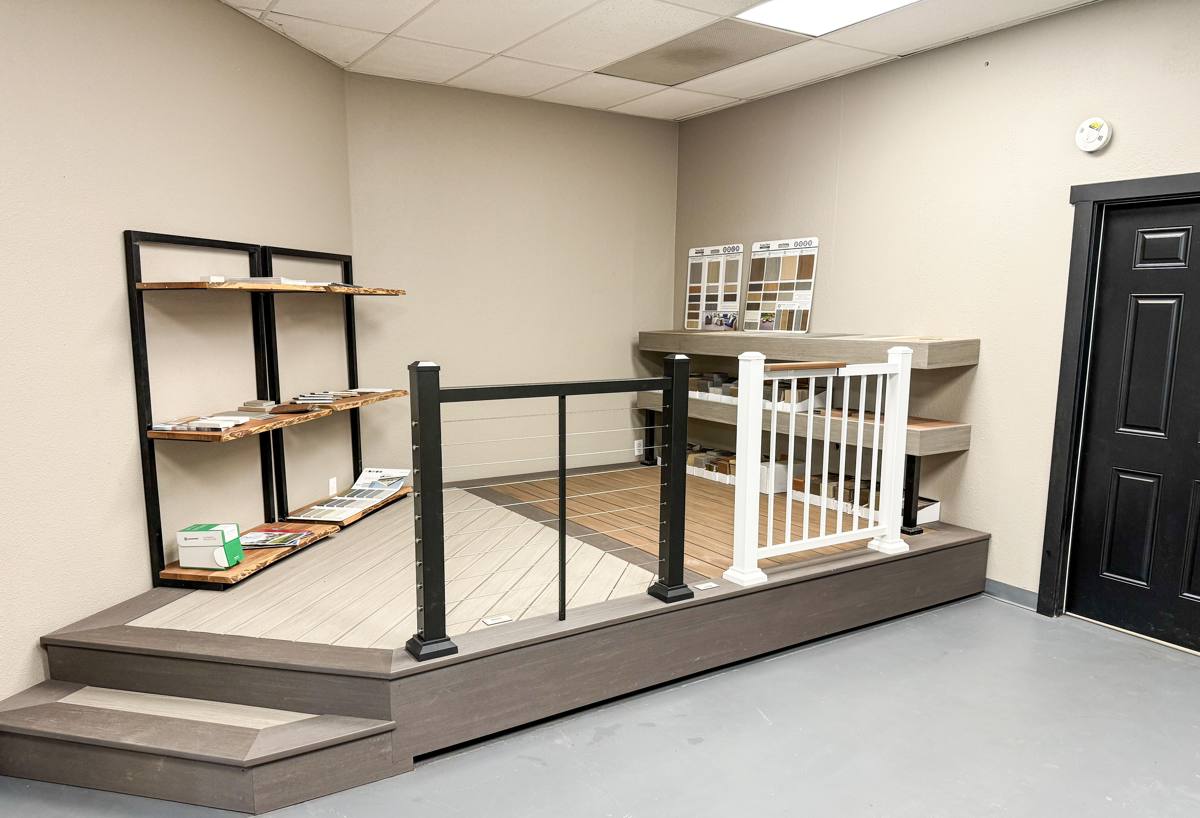
What James Hardie Fiber Cement Actually Is
James Hardie siding is fiber cement — a mix of Portland cement, sand, cellulose fiber, and water, cured and formed into planks, panels, and shingles. It is not a composite wood product and it is not a plastic product. That distinction matters more than most sales literature explains it.
Why the Material Matters
- Non-combustible. Fiber cement will not ignite or contribute fuel to a fire, which matters given the wildfire smoke and ember exposure that has become a more regular part of Pacific Northwest summers.
- Dimensionally stable. It doesn't expand and contract with moisture the way wood-based products do, which reduces the joint gapping and buckling that shows up on other sidings after a few wet seasons.
- Doesn't rot. There's no organic wood fiber for moisture to break down over time the way there is in engineered wood siding.
- Holds paint and factory finish exceptionally well because the substrate itself doesn't move or absorb water the way wood does.
None of this makes fiber cement magic or maintenance-free. It still needs to be installed correctly, caulked correctly, and painted or refinished eventually. But the failure modes that plague other products — swelling edges, moss-driven rot, plastic that goes brittle and cracks — aren't inherent risks with Hardie the way they are with the alternatives.
Why We Don't Install the Alternatives
We get asked regularly why we won't quote vinyl or LP SmartSide jobs. Here's the honest version, product by product.
LP SmartSide
LP SmartSide is an engineered wood product — strand board treated with resin and zinc borate, then coated. It installs fast, costs less than fiber cement, and performs reasonably well in dry climates. The problem is the substrate is still wood fiber. Wood fiber that gets wet and stays wet — because of a failed caulk joint, a clogged gutter, or just years of driving rain soaking an unpainted cut edge — will eventually swell and break down. In a marine climate with our rainfall totals and humidity, those exposure points are common, and the failure is progressive: by the time you see swelling at a butt joint or a bottom edge, moisture has usually been working on it for a season or more already.
Vinyl Siding
Vinyl is inexpensive and low-maintenance in the sense that it never needs painting. But it's a plastic product that expands and contracts significantly with temperature swings, which means it has to be installed loose ("hung," not fastened tight) to avoid buckling — a detail a lot of installers get wrong. It also becomes brittle with age and UV exposure, and once it cracks or a panel gets knocked loose in a windstorm, exact color matches for repairs get harder to find as product lines age out. It doesn't offer real fire resistance, and it doesn't hold up structurally to impact the way fiber cement does.
Cemplank and Allura
These are also fiber cement products, so the base material argument doesn't apply the same way — cement-based siding is cement-based siding. Our reason here is narrower: James Hardie is the manufacturer with the deepest, most consistent regional engineering for our climate zone (more on that below), the strongest factory finish warranty backing in the category, and the installer network and technical support we've built our process around. Standardizing on one manufacturer also means our crews are installing the same product, with the same fastening specs and the same trim details, on every job — which is a real quality control advantage that gets lost when a crew is switching between three or four different manufacturers' installation manuals from one job to the next.
Primed Spruce and Cedar
Solid wood siding, primed spruce especially, is the most maintenance-intensive option on this list. It requires repainting on a tight cycle, is the most vulnerable to moisture and insect damage, and in our moss-heavy shaded lots, it's the product we see needing replacement soonest — sometimes inside fifteen years on north-facing walls that don't get sun exposure to dry out between rain events. Cedar has real aesthetic appeal and some rot resistance in its heartwood, but it demands ongoing sealing and finish maintenance that most homeowners underestimate when they're comparing upfront costs.
Side-by-Side: What You're Actually Choosing Between
| Product | Combustibility | Moisture Behavior | Typical Maintenance | Finish Longevity |
|---|---|---|---|---|
| James Hardie Fiber Cement | Non-combustible | Stable; doesn't rot or swell | Occasional recaulk/repaint on standard finish; ColorPlus extends repaint cycle | 15-year finish warranty on ColorPlus products |
| LP SmartSide | Combustible (treated) | Wood-fiber core; vulnerable if moisture intrudes | Repaint cycle; watch cut edges and joints | Manufacturer finish warranty varies by product line |
| Vinyl | Not fire-rated; can deform under heat | Doesn't rot, but expands/contracts and cracks with age | Low; occasional cleaning | Fades with UV over time; no repaint option |
| Primed Spruce / Cedar | Combustible | Most moisture-vulnerable; rot risk | Frequent repainting/sealing | Shortest cycle of the group |
This is a general comparison, not a claim about any specific manufacturer's product failing. Every product on this list has homes where it's performing fine. Our point is about probability and maintenance burden over a 20-30 year ownership window in a marine climate — not that the alternatives are defective.
James Hardie's Climate Engineering: The HZ System
One of the reasons we standardized on Hardie specifically is that the company engineers its products by climate zone rather than shipping one formulation nationwide. Hardie's HZ5 product line is formulated for regions with freeze-thaw cycles and sustained moisture exposure — which describes Whatcom County's winters reasonably well, especially at the elevations and shaded exposures common in the foothill communities around Bellingham, Ferndale, and Lynden. The HZ10 line is built for the harsher combination of hurricane-force wind exposure and moisture found in Gulf and Atlantic coastal regions.
The practical upshot for a Whatcom County homeowner: the plank on your wall isn't a generic national product. It's formulated with the freeze-thaw and moisture exposure of a Pacific Northwest marine climate in mind, which matters more here than it would in a dry inland region.
ColorPlus Technology and Warranty Structure
James Hardie's ColorPlus finish is baked on in a factory-controlled process — multiple coats, cured before the product ever reaches a job site — rather than field-applied paint. That matters for two reasons: consistency (no lap marks, no thin spots from a field crew painting in variable weather) and warranty backing. ColorPlus finishes carry a 15-year finish warranty in addition to Hardie's separate product warranty covering the substrate itself.
Two details worth understanding before you sign a contract with any siding company:
- Warranties are transferable to a subsequent homeowner if you sell, which matters for resale — ask any contractor for the specific transfer terms and window, since they vary and change periodically.
- Warranty coverage depends on installation to spec. Incorrect fastening, wrong clearance from grade or roofline, or improper caulking can void manufacturer warranty coverage regardless of how good the product is. The product warranty protects the material; it does not protect against installation error.
What Correct Installation Actually Involves
This is where a lot of Hardie jobs go wrong, and it's worth understanding even if you're gathering quotes from more than one contractor.
Key Installation Details
- Proper clearance — siding needs minimum clearance from grade, roof lines, decks, and patios to avoid wicking moisture up from splashback or standing water.
- Correct fastener pattern and type — Hardie specifies fastener placement, spacing, and type; hand-nailing versus improperly set pneumatic nailers is one of the most common field errors and can blow out the fiber cement or leave fasteners under-driven.
- Rain screen or drainage plane behind the siding — a ventilated gap that lets any moisture that gets behind the siding drain and dry out, rather than sitting against the sheathing. In our rainfall totals, this detail is not optional.
- Caulking at all joints and penetrations using a product compatible with ColorPlus finish, applied at the specified joints — not skipped to save time.
- Field-cut edges primed or sealed before installation, since factory finish doesn't extend to a cut made on site.
Any of these done wrong can shorten the life of an otherwise excellent product. This is a large part of why we run one product system rather than several — our crews aren't relearning installation specs for a different manufacturer on every job.
What This Means for Your Project
If you're gathering quotes for siding replacement in Whatcom County, you'll get bids for vinyl, LP, and fiber cement that look very different on price. We're not going to be the cheapest bid if vinyl or LP is in the comparison — fiber cement costs more up front, both in material and in installation labor, because it's heavier and less forgiving of shortcuts. What we can tell you is that every job we do uses the same product system, the same installation spec, and the same warranty backing, on every home, every time.
Get a Straight Answer for Your Home
If you're deciding between siding products, or your current siding is showing moss staining, swelling, or cracking and you want an honest read on whether it's a repair or a replacement situation, we're happy to take a look. Reach out for a free, no-pressure estimate — we'll walk your home, tell you what we see, and give you a straight answer, whether that means a full re-side or just addressing a problem area.