 Whatcom County
 Asphalt Shingle Roofing Built for Sehome's Weather
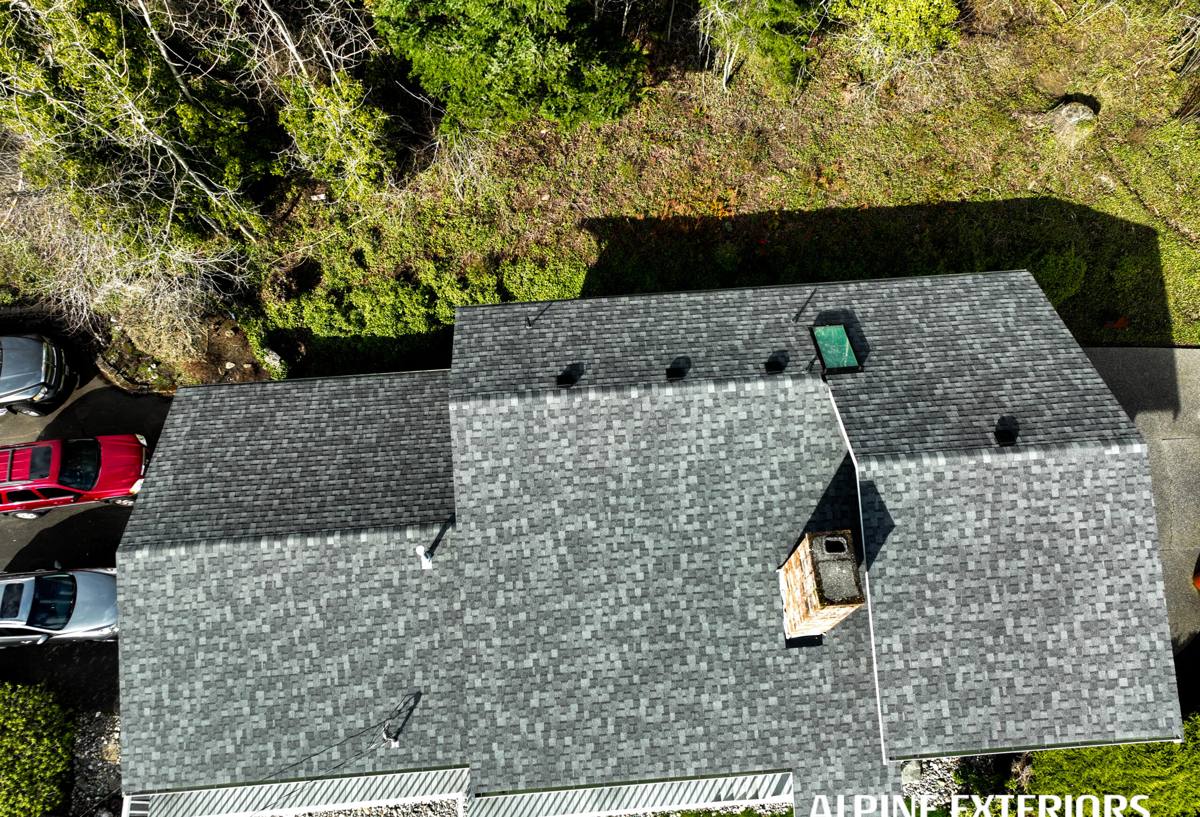
Sehome sits close enough to Bellingham Bay that salt-laden air is part of daily life, and close enough to the hills and tree cover that moss and shade are a year-round concern. Asphalt shingle roofs in this part of Whatcom County take a specific kind of beating: driving rain that comes in sideways during winter storms, long stretches of damp shade that never really dry out, and salt air that speeds up wear on metal flashings and fasteners faster than it would inland. A roof that would hold up fine in a drier, sunnier part of the state can start showing problems here within a few years if it wasn't installed with this climate in mind.
We work on asphalt shingle roofs throughout Whatcom County, and Sehome's mix of older housing stock and infill construction means we see a wide range of roof ages and conditions in this one neighborhood. Some homes still have shingles from the last time they were re-roofed decades ago; others have newer roofs that were installed correctly and are aging well. The difference almost always comes down to ventilation, underlayment choice, and flashing detail — not the shingle brand printed on the wrapper.
What Sehome's Climate Does to a Shingle Roof
Moss and Organic Growth
Shade from mature trees combined with near-constant moisture is the perfect recipe for moss, lichen, and algae streaking. Moss isn't just cosmetic — its root structures work into the granule surface and shingle mat, and a moss mat holds water against the roof deck long after the rain stops. Left unaddressed for a few seasons, this shortens shingle life significantly and can contribute to deck rot underneath.
Driving Rain and Wind-Driven Water
Storms off the water don't just fall straight down — wind pushes rain up under shingle tabs, into valleys, and around any flashing that isn't sealed and lapped correctly. A roof that "sheds water fine" in a light rain can still leak during a windy winter system if the underlayment and flashing details weren't done with that wind direction in mind.
Salt Air and Metal Components
Being close to Bellingham Bay means salt in the air corrodes exposed metal faster — nails, drip edge, valley metal, and vent flashing all age quicker here than they would twenty miles inland. We account for this by choosing corrosion-resistant fasteners and flashing metals rather than the cheapest option on the supply house shelf.
Temperature Swings and Freeze-Thaw
Whatcom County doesn't get brutal winters, but it does get enough freeze-thaw cycling to matter. Water that gets trapped under moss or behind poor flashing can freeze, expand, and work joints and seams loose over a season or two, turning a small leak point into a bigger one.
What a Correct Asphalt Shingle Roof Involves Here
A roof that's actually built for Sehome's conditions is different in a few specific ways from a bare-minimum install:
- Ice-and-water shield at vulnerable points: eaves, valleys, and around every penetration — not just where code requires it at a minimum.
- Balanced ventilation: matched intake at the eaves and exhaust at the ridge so moist air actually moves out of the attic instead of condensing on the underside of the deck.
- Metal flashing sized and lapped for wind-driven rain: step flashing at walls, proper valley metal, and counter-flashing that's tucked correctly, not just caulked over.
- Fastener choice suited to salt air: corrosion-resistant nails and flashing hardware instead of standard-grade material.
- Zinc or copper strips near the ridge on shaded roofs: a proven, low-maintenance way to slow moss regrowth without chemical treatments.
None of this is exotic or expensive to do right the first time. It's the difference between a roof that needs attention again in eight years and one that comfortably reaches its full expected life.
Our Process for Sehome Homeowners
1. Inspection and Honest Assessment
We start by getting on the roof (weather permitting) or using a close visual and photo inspection to check shingle condition, granule loss, flashing condition, moss coverage, and any signs of deck movement or soft spots. We'll tell you plainly if a repair is a reasonable option or if you're better off planning for a full replacement — we don't upsell a replacement when a repair will genuinely hold.
2. A Written Scope You Can Actually Read
You get a clear breakdown of what's being replaced, what underlayment and flashing materials are specified, and what's included versus what would be an add-on (like deck repair if we find rot once tear-off starts). No vague line items.
3. Tear-Off and Deck Check
Old shingles come off down to the deck so we can actually see what we're working with. This matters especially on older Sehome homes where a prior roof may have been installed over an existing layer, hiding deck damage.
4. Underlayment and Flashing First
This is the layer that matters most in a climate like this. We install synthetic or ice-and-water underlayment appropriate to the roof's exposure and get every flashing detail — valleys, walls, chimneys, vents — done before a single shingle goes down.
5. Shingle Installation to Manufacturer Spec
Nailing pattern, exposure, and starter course all follow manufacturer requirements exactly, because that's what keeps the warranty valid and keeps the roof performing in wind.
6. Final Walkthrough
We walk the site, clean up debris and stray fasteners, and go over maintenance basics with you — including how to keep moss from coming back without damaging the shingles.
Repair or Replace? A Realistic Look
| Situation | Repair Usually Makes Sense | Replacement Usually Makes Sense |
|---|---|---|
| Age of roof | Under 12-15 years, isolated damage | Approaching or past expected lifespan |
| Moss/algae condition | Surface growth, no granule loss underneath | Moss mats have caused granule loss or deck softness |
| Leak pattern | Single, traceable source (one flashing point) | Multiple leak points or leaks that move around |
| Shingle condition | Localized cracking or lifted tabs | Widespread curling, cracking, or bald spots |
| Deck condition | Solid, no soft spots found | Soft, spongy, or visibly sagging deck sections |
Why a Crew That Already Works Sehome Matters
Roofing crews that mostly work drier, inland climates often default to minimum-code underlayment and standard fasteners because that's what holds up fine where they usually work. That approach doesn't translate well to a neighborhood dealing with salt air, shade-driven moss, and wind-driven rain off the bay. A crew that regularly works this part of Whatcom County already knows which flashing details and material upgrades are worth the small extra cost here, without needing to relearn it on your roof.
There's also a practical service side to this: a local crew can respond faster for a storm-related emergency tarp or a warranty check-in, and we're not disappearing to another region once the job is done.
Maintenance That Actually Extends a Sehome Roof's Life
- Have moss and debris cleared from the roof and gutters at least once a year, more often under heavy tree cover.
- Avoid pressure washing shingles — it strips granules and shortens shingle life; soft treatment methods are safer.
- Keep gutters and downspouts clear so water isn't backing up under the eave edge during heavy rain.
- Trim back overhanging branches where practical to reduce shade and debris buildup on the roof.
- Get a professional look after any major windstorm, even if nothing looks obviously wrong from the ground.
What We Look for on Every Inspection
- Granule loss and shingle curling, especially on south and west-facing slopes
- Moss and algae coverage, particularly on shaded north-facing sections
- Flashing condition at valleys, walls, chimneys, and vent penetrations
- Signs of deck movement, soft spots, or staining in the attic
- Fastener and metal corrosion consistent with salt air exposure
- Ventilation balance between soffit intake and ridge or roof-vent exhaust
Choosing Materials That Fit This Climate
Not every asphalt shingle line is built the same, and for a roof in Sehome's conditions, algae resistance and wind rating matter more than the marketing on the shingle wrapper. We favor shingles with copper-infused or algae-resistant granules given the shade and moisture here, along with wind ratings suited to the gusts that come through during winter storms off the water. We'll walk you through the realistic trade-offs between shingle lines — appearance, expected lifespan, warranty terms, and cost — rather than steering you toward whatever has the best margin.
If your roof is showing moss, wear, or you just want an honest read on how many years it has left, we're glad to take a look. Fill out the form below for a free, no-pressure estimate from a crew that already knows what Whatcom County weather does to a roof.