 Whatcom County
 Board & Batten in a Salt Air, High-Rain Climate
Blaine sits about as close to the water and the Canadian border as a Whatcom County home can get, which means the siding on these houses deals with a combination most inland WA homes never see: salt-laden air off the Strait of Georgia and Semiahmoo Bay, long stretches of driving rain, and a moss season that can run most of the year in shaded, north-facing spots. Board and batten is one of the best-looking siding styles for this area's mix of older cottages, newer builds, and craftsman-influenced homes — but it's also a style that punishes a sloppy install faster than lap siding does, because every seam is vertical and every batten is a place water can find its way behind the wall if it's not detailed right.
This page covers what a correct board and batten job looks like specifically for Blaine's climate, why we only install it in James Hardie fiber cement, and what our process looks like from estimate to finished wall.
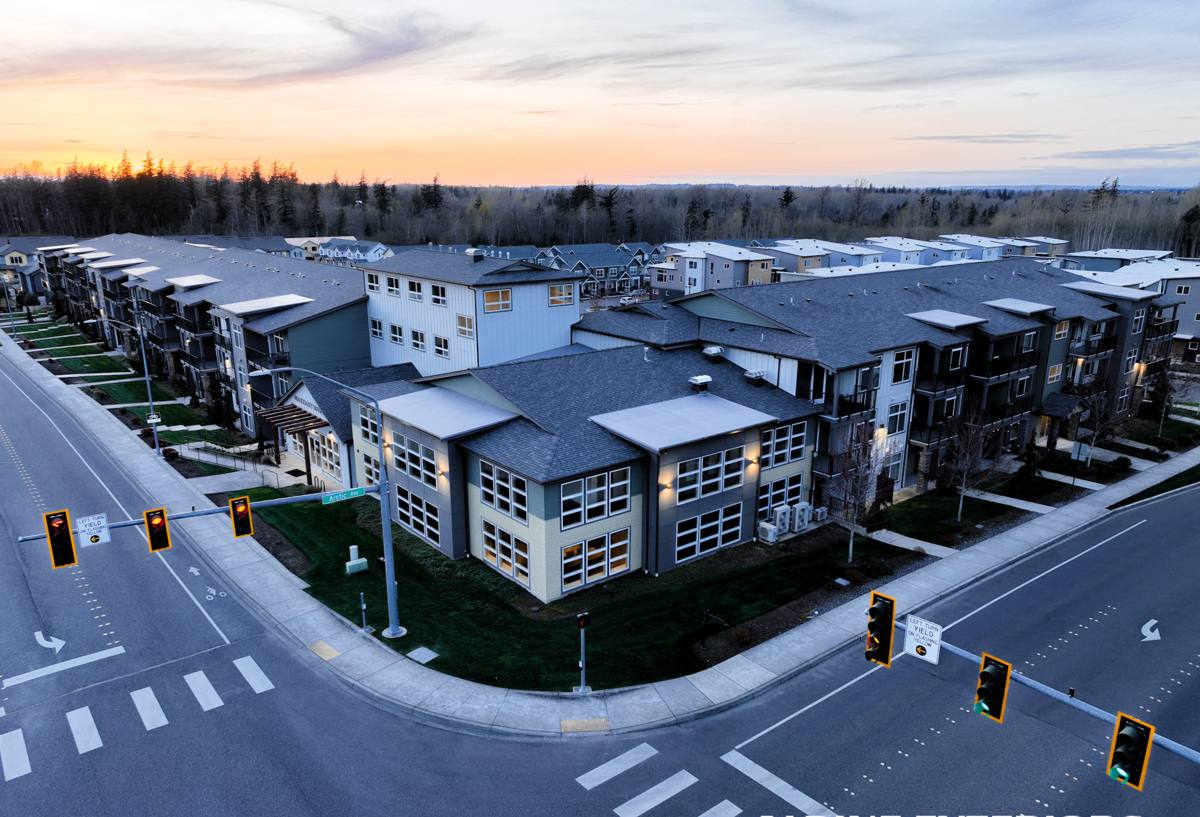
What Blaine's Environment Does to the Wrong Siding Choice
Three things drive almost every siding failure we see in this part of the county:
- Salt air corrosion — fasteners, flashing, and trim that aren't rated for coastal exposure degrade faster here than they would 20 miles inland.
- Sustained wind-driven rain — Blaine's exposure to weather coming off the water means rain doesn't just fall, it drives sideways into vertical seams and batten joints.
- Extended moss and mildew season — shaded walls, especially north and east exposures under mature trees, stay damp long enough for moss and algae to establish and hold moisture against the surface.
Board and batten siding has more vertical seams per square foot than horizontal lap siding, and battens create small ledges and shadow lines where moisture and debris can collect. That's fine on a material engineered for it and installed correctly. It's a slow-motion problem on a material that swells, delaminates, or holds water against untreated wood underneath.
Why This Matters More on Board & Batten Specifically
On lap siding, gravity does a lot of the work shedding water. On board and batten, the battens themselves have to be flashed and gapped correctly, or they become tiny dams. A batten installed tight to the substrate with no drainage path will trap moisture behind it, and in a climate with Blaine's rain totals, that shows up as staining, soft spots, or paint failure well before it would in a drier region.
Why We Only Install Board & Batten in James Hardie Fiber Cement
We don't install board and batten in vinyl, primed spruce, cedar, LP SmartSide, or other fiber cement brands like Allura or Cemplank. That's not a marketing line — it's a standard we hold because of what we've seen these materials do in coastal Whatcom County conditions specifically:
- Cedar and primed spruce board and batten can look beautiful, but they're wood. In a climate with this much sustained moisture exposure, wood board and batten needs vigilant, ongoing maintenance — caulking, repainting, and moisture checks — to avoid rot at the battens and panel edges.
- Vinyl board and batten is low-maintenance but it's a thin, flexible material that can warp or buckle with temperature swings and doesn't hold up structurally the way a rigid panel does; it also can't be painted a factory-matched dark color without risking heat distortion, which limits the design options this style is usually chosen for.
- LP SmartSide is an engineered wood product — it performs reasonably when installed and maintained to spec, but it's still wood-based, meaning cut edges and any moisture intrusion point are more vulnerable than a cement-based product.
James Hardie's fiber cement panels and battens are non-combustible, dimensionally stable in wet-dry cycling, and engineered specifically for high-moisture climates through their HZ5 product line, which is built for exactly the wind-driven rain and marine exposure Blaine sees. The factory-applied ColorPlus finish is baked on and warranted against fading and peeling, which matters on a style like board and batten where dark, saturated colors are common and cheap paint jobs fail visibly fast.
Anatomy of a Correct Board & Batten Installation
Board and batten looks simple from the street — vertical panels with battens covering the seams — but the parts you can't see are what determine whether it lasts 10 years or 40 in this climate.
What's Underneath Matters as Much as What You See
- Weather-resistive barrier — a correctly lapped and taped barrier behind the panels, not just stapled house wrap.
- Rainscreen gap — a drainage plane between the siding and the wall sheathing so any moisture that does get past the surface can drain and the wall can dry, rather than sitting trapped behind the battens.
- Flashing at every horizontal interruption — window heads, doors, and any horizontal trim need proper flashing so water is directed out and down, not into the wall cavity.
- Correct fastener spec — corrosion-resistant fasteners appropriate for coastal exposure, placed per Hardie's fastening schedule, not just "close enough."
- Batten spacing and fastening — battens fastened into structural framing where possible, with consistent reveal, so they don't trap water against the panel face.
Any one of these done wrong won't necessarily show up in year one. It shows up in year five or eight, as staining, soft trim, or paint failure at the seams — right when it's expensive to fix because the siding has to come off to correct it.
Comparing Board & Batten Material Options
| Material | Moisture Performance in Coastal WA | Maintenance | Typical Lifespan | Our Position |
|---|---|---|---|---|
| James Hardie Fiber Cement | Engineered for wet climates (HZ5), dimensionally stable | Low — occasional wash | 30-50 years with correct install | What we install |
| Cedar / Primed Spruce | Vulnerable to rot without diligent upkeep | High — regular repainting, sealing | 15-25 years typical | Not installed by us |
| LP SmartSide | Reasonable if perfectly maintained, wood-based core | Moderate — edge sealing, repainting cycles | 20-30 years typical | Not installed by us |
| Vinyl | Doesn't rot but can warp; limited board and batten profiles | Low | 20-30 years, color fades sooner | Not installed by us |
This isn't a claim that every alternative fails — it's why, given what board and batten specifically demands in this climate, we standardized on one material we can stand behind for the life of the warranty.
Our Process, From Estimate to Finished Wall
1. On-Site Assessment
We look at your home's actual exposure — which walls take the worst wind-driven rain, where moss and shade are already a problem, and what's happening behind the current siding if it's coming off.
2. Design and Product Selection
We help you pick panel width, batten spacing, and a ColorPlus color that fits the home and holds up to Blaine's UV and salt exposure without fading.
3. Prep and Moisture Barrier
Old siding comes off, sheathing gets inspected for hidden damage, and the weather-resistive barrier and rainscreen system go on correctly before a single panel is hung.
4. Installation to Manufacturer Spec
Panels and battens go up following Hardie's fastening and flashing requirements for this climate zone — not shortcuts, not "how the last guy did it."
5. Final Walkthrough
We walk the job with you, check seams, caulking, and trim details, and make sure you understand what the warranty covers going forward.
What to Ask Before You Hire Anyone for Board & Batten
- Do they install a rainscreen/drainage gap behind board and batten, or nail it directly to the barrier?
- Can they show you the specific fastening schedule they follow for coastal exposure?
- Do they warranty their labor separately from the manufacturer's product warranty?
- Have they worked on homes in Blaine or elsewhere in Whatcom County's coastal zone specifically, not just inland jobs?
- Will they explain how they flash window and door heads under the battens?
A crew that already works this stretch of coastline knows to slow down at every batten and flashing point, because they've already seen what happens on this coastline when someone doesn't.
Living With Board & Batten Through Blaine's Moss Season
Even a correctly installed Hardie board and batten wall benefits from a yearly rinse, especially on shaded north-facing sections where moss and algae are most persistent in this part of the county. A garden hose and soft brush handle most of it — the ColorPlus finish resists staining far better than field-applied paint, but it's not immune to buildup in a climate this wet for this much of the year. Keeping gutters clear and trimming back vegetation that shades a wall goes a long way toward keeping moss from getting a foothold in the first place.
If you're weighing board and batten for a home in Blaine, we're happy to walk the property, point out anything specific to your exposure, and put together a straightforward estimate — no pressure, no upsell. Use the form below to get started.