 Whatcom County
 Why Edgemoor's Setting Is Hard on Siding
Edgemoor sits on wooded bluffs above Bellingham Bay, and that setting is part of what makes it one of the more desirable places to live in Whatcom County — mature tree cover, water views, and a quieter feel than homes closer to the flats. It's also a setting that puts real, sustained stress on exterior siding. Homes here deal with a combination most inland neighborhoods don't see all at once: salt-laden air coming off the bay, driving rain pushed sideways by marine wind, and heavy shade from tree canopy that keeps north- and west-facing walls damp long after a storm has passed.
None of that is a reason to avoid living there — it's a reason to be deliberate about what goes on the walls. Siding that would hold up fine in a drier, more open part of the county can fail early in Edgemoor if it isn't matched to the site and installed correctly. This page is about what that actually means for a siding installation project on an Edgemoor home.
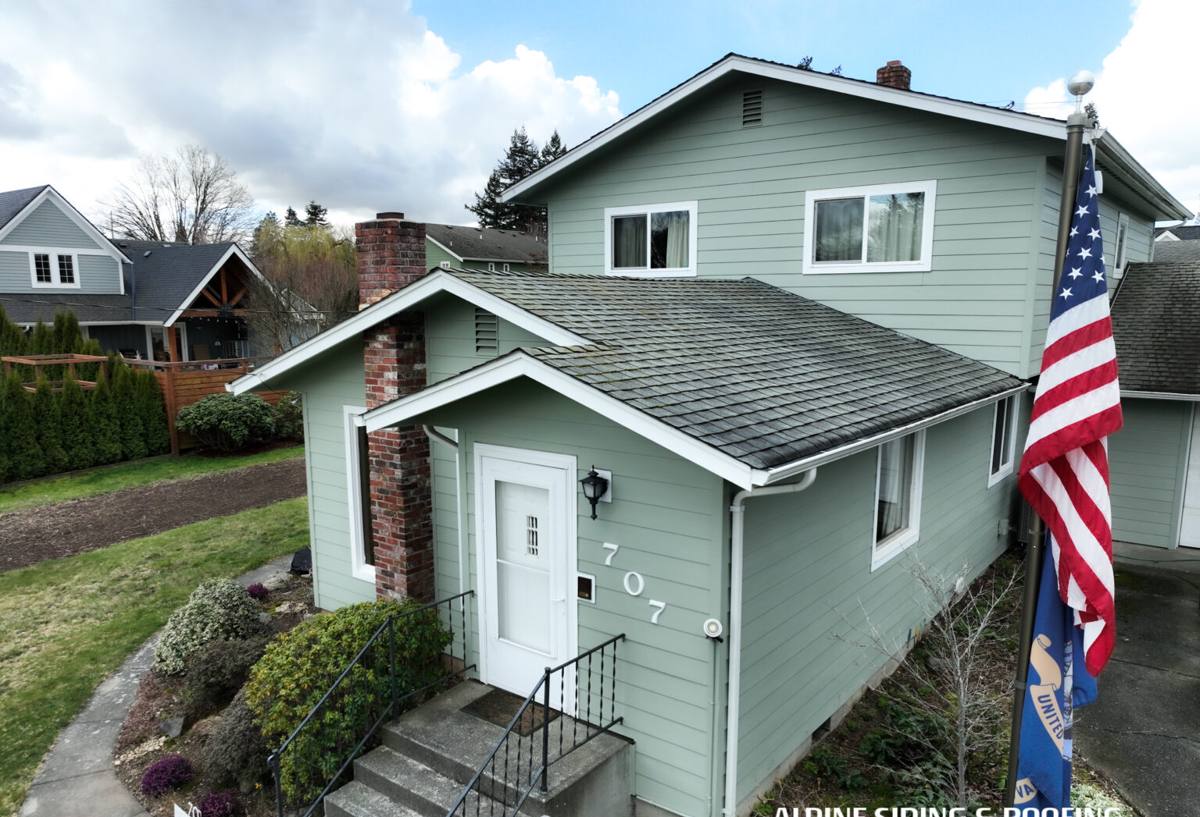
What Salt Air, Driving Rain, and Moss Actually Do Over Time
Each of these factors attacks siding in a different way, and they compound each other.
Salt Air
Airborne salt is corrosive to exposed metal fasteners, flashing, and trim, and it can accelerate the breakdown of some paint films and coatings over years of exposure. Homes closer to the water get more of it, but even a few blocks back, prevailing wind off the bay carries salt further than most homeowners expect.
Driving Rain
Wind-driven rain doesn't just run down a wall — it gets pushed sideways and upward into laps, seams, and penetrations. On a bluff exposed to marine weather, that means water testing every joint, every window flashing detail, and every seam in the siding far more aggressively than on a sheltered inland lot.
Moss and Shade
Heavy tree canopy is beautiful and it's a maintenance factor. Shaded walls dry slower after rain, and slow-drying surfaces are exactly where moss and algae take hold. Over a long Whatcom County wet season, siding that stays damp for extended stretches is at higher risk for surface breakdown, trapped moisture behind the cladding, and cosmetic staining that's hard to fully remove.
Put together, this is a climate where the siding material, the water management behind it, and the quality of the install all matter more than they would in a milder setting.
Why We Install Only James Hardie Fiber Cement
We made a deliberate decision to install one siding system — James Hardie fiber cement — rather than offer a menu of vinyl, engineered wood, or other fiber cement brands. In a climate like Edgemoor's, that's not a marketing position, it's a practical one.
- Non-combustible material — fiber cement doesn't feed a fire the way wood-based products can, which matters as wildfire risk in the Pacific Northwest gets more attention every year.
- Factory-applied ColorPlus finish — baked-on color resists fading and holds up to UV and salt exposure far better than field-applied paint, and it comes with its own finish warranty.
- Climate-engineered HZ5 formulation — Hardie's HZ5 product line is specifically engineered for wetter, colder climate zones like Western Washington, with performance testing built around moisture exposure and freeze-thaw cycling.
- Dimensional stability — fiber cement doesn't swell, cup, or rot the way wood-based siding can when it stays damp for long stretches, which is exactly the condition shaded Edgemoor walls create.
- Strong, transferable warranty — backed by a manufacturer with decades of track record in coastal and marine climates.
We're happy to talk through the trade-offs of other products if you're weighing your options — we just don't put our crew's name on an install we're not confident will hold up on a bluff lot above the bay.
What a Correct Installation Involves in This Climate
The siding panel itself is only part of the system. In a high-moisture, salt-exposed setting, the details around it are what determine whether the wall stays dry for the next 30-plus years.
Water Management Behind the Cladding
A proper rainscreen gap, correctly lapped weather-resistant barrier, and flashing at every window, door, and penetration are what keep wind-driven rain from ever reaching the sheathing. On an exposed bluff lot, this is not optional detailing — it's the part of the job that decides whether the house stays dry.
Fastening and Hardware
Corrosion-resistant fasteners and trim hardware matter more here than in a low-salt environment. Cutting corners on fastener spec is a slow-motion failure that won't show up for a few years, which is exactly why it gets cut corners by crews that aren't planning to be the ones fixing it later.
Manufacturer Installation Spec
Hardie's warranty is tied to installation being done to their published specifications — proper clearances, fastener placement, joint treatment, and caulking. An install that looks fine on day one but skips spec details can quietly void the warranty protection the homeowner thinks they have.
Product Line Match to Exposure
Not every wall on a home needs the same product. Panels, lap siding profiles, and trim get matched to the exposure of each elevation — the side of the house taking direct bay wind and rain gets treated differently than a sheltered side under heavy tree cover.
Our Process for an Edgemoor Siding Project
- Site walk and exposure assessment — we look at each elevation's sun, shade, wind, and moisture exposure before recommending a plan, not after.
- Tear-off and substrate inspection — old siding comes off and we check the sheathing and framing underneath for any moisture damage that needs to be addressed before new siding goes on.
- Water barrier and flashing installation — the weather-resistant barrier, rainscreen furring, and flashing details go in first, since this is the layer that actually keeps water out.
- Hardie panel and trim installation — installed to manufacturer spec, with attention to fastener pattern, clearances, and joint treatment.
- Final inspection and cleanup — a walk-through to confirm details before we call the job done.
We work Edgemoor and the rest of Whatcom County regularly, which means we're not learning the local weather pattern on your project — we already know what a bluff-facing wall above the bay needs versus a sheltered wall under fir and cedar canopy.
Comparing Siding Options for a Coastal, Wooded Lot
| Factor | James Hardie Fiber Cement | Vinyl | Wood / Engineered Wood |
|---|---|---|---|
| Salt air exposure | Engineered for coastal/marine climates (HZ5 line) | Can become brittle and discolor with UV and salt over time | Vulnerable to moisture wicking and coating breakdown |
| Moisture in heavy shade | Dimensionally stable, resists moisture damage | Doesn't rot but can trap moisture behind panels | Prone to swelling, rot, and moss/algae growth |
| Fire resistance | Non-combustible | Combustible, can melt/deform in heat | Combustible |
| Finish longevity | Factory ColorPlus finish, resists fading | Color molded in but can fade/chalk | Field-applied paint/stain needs repeated upkeep |
| Long-term maintenance | Periodic cleaning and caulk checks | Low maintenance but limited repair options if damaged | Regular repainting/resealing required |
Cost Factors for Siding Replacement in Edgemoor
Every home is different, but the same handful of factors drive most of the cost variation we see on bluff and wooded lots in this part of the county.
| Factor | Why It Matters Here |
|---|---|
| Wall square footage and elevation count | More elevations exposed directly to bay wind may need additional detailing |
| Substrate condition after tear-off | Shaded, damp-prone walls sometimes reveal sheathing repairs once old siding is removed |
| Trim and architectural detail | Older Edgemoor homes often have more trim and custom detail than a typical production build |
| Access and site constraints | Wooded, sloped, or bluff-adjacent lots can affect staging and equipment access |
| Product line and profile selection | HZ5 panels and certain profiles/finishes carry different material costs |
A Maintenance Checklist for Waterfront and Wooded-Lot Homes
Correct installation is most of the battle, but a little seasonal attention keeps a fiber cement siding job performing for decades in this climate.
- Rinse off accumulated salt spray and debris on bay-facing walls a couple of times a year
- Keep tree branches and shrubs trimmed back from siding to improve airflow and drying
- Check and clear gutters before the wet season so overflow doesn't run down the wall face
- Look at caulking around windows, doors, and trim annually and have gaps addressed promptly
- Watch shaded, north-facing walls for early moss or algae growth and clean gently before it spreads
- Have flashing and penetration points checked periodically, especially after major windstorms
Why Hiring a Crew That Already Works Edgemoor Matters
A siding installer who mostly works drier, inland areas can do a technically fine job and still miss the details that matter on a bay-facing bluff lot — because those details only become obvious after you've seen a few installs struggle with salt air, shade, and driving rain. Working Whatcom County's coastal neighborhoods regularly means we've already built our process around this exposure: where extra flashing attention pays off, which elevations need closer detailing, and how tree cover changes a wall's drying pattern.
That local pattern-recognition, combined with installing a single, climate-appropriate product to manufacturer spec, is what actually protects a siding investment on a lot like this — not a lower bid that skips the detailing this environment demands.
If you're weighing a siding replacement or new installation on your Edgemoor home, we're glad to walk the property with you and talk through what your specific exposure needs. There's no pressure and no cost to get our take — just fill out the form below to schedule a free estimate.