 Whatcom County
 Windows Built for Edgemoor's Edge-of-the-Bay Climate
Edgemoor sits close enough to the water that its homes take a different kind of weather beating than houses further inland in Whatcom County. Salt-laden air off Bellingham Bay works on metal hardware and finishes year-round. Driving rain off the water pushes sideways into window assemblies during winter storms, testing every seal and flashing detail. And the long moss season here — stretching from fall through spring in our marine climate — keeps siding, trim, and window perimeters damp for weeks at a time. None of this is exotic. It's just what a bay-adjacent Whatcom County neighborhood asks of its exterior work, and it's why window installation here needs more attention to moisture management than the same job would get in a drier part of the state.
We install windows across Whatcom County, and Edgemoor is one of the neighborhoods where we spend a lot of our time. That matters less as a marketing point and more as a practical one: we already know how the older homes in this area were built, what kind of window openings we're likely to find once we pull the old unit, and which failure patterns show up first when a window install is done without accounting for salt air and sustained moisture.
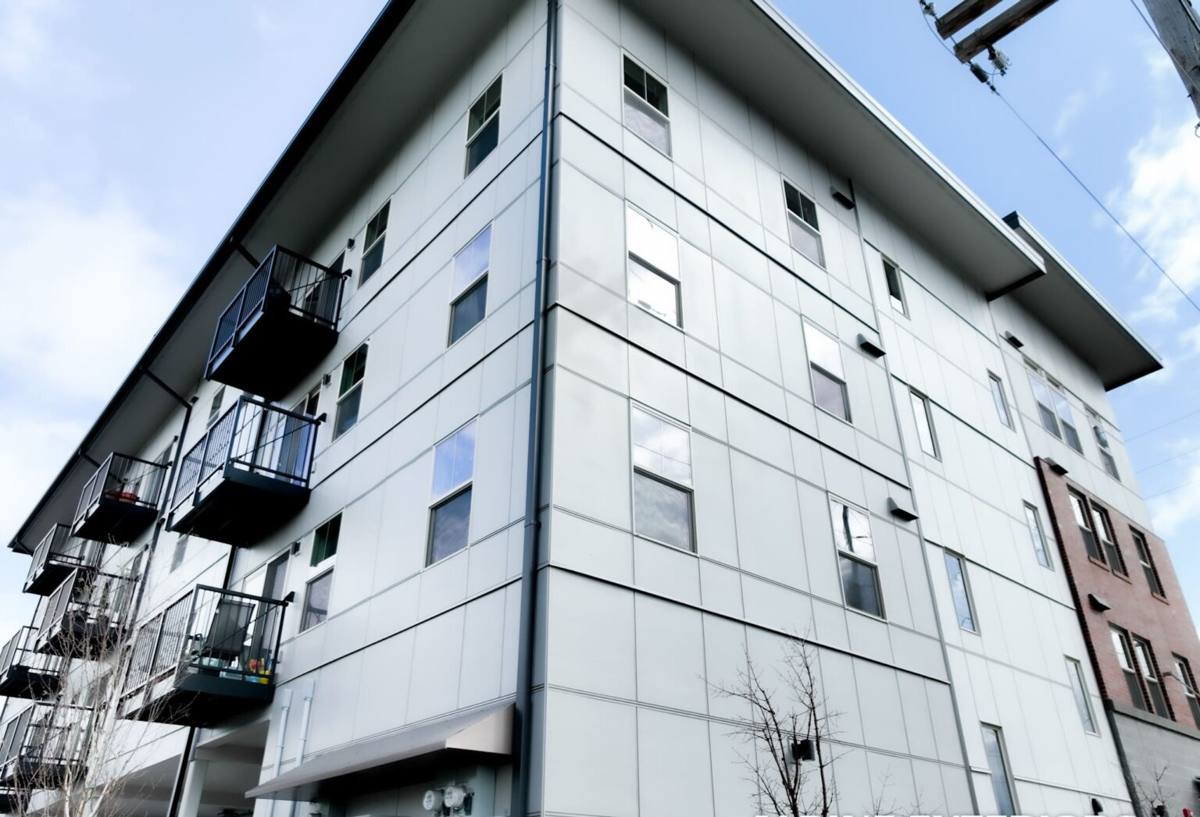
What Edgemoor Homes Actually Need From a Window Install
A correct window installation is mostly invisible once it's done — you don't see the flashing, the sealant joints, or the shimming. But those hidden details are what determine whether a window performs for twenty-plus years or starts leaking within five. In a coastal-influenced neighborhood like Edgemoor, three things matter more than they would in a drier inland location:
- Corrosion-resistant hardware and fasteners. Salt air accelerates corrosion on standard-grade screws, hinges, and cladding fasteners. We spec fasteners and hardware rated for coastal exposure rather than whatever is cheapest at the yard.
- Redundant water management, not just sealant. Caulk alone is not a water barrier — it's a backup. The real protection comes from correctly lapped flashing, sill pans, and house wrap integration that shed water even if the sealant eventually ages or cracks.
- Ventilation and drainage at the sill. With moss season keeping the exterior damp for extended stretches, any window opening that traps moisture instead of draining it will eventually show rot in the sill or surrounding framing. Weep paths need to stay clear and functional.
None of this is unique technology — it's standard best practice applied consistently, which is exactly where a lot of window installs go wrong. Skipping a sill pan or reusing old flashing to save an hour on the job is the kind of shortcut that doesn't show up as a problem until a wet winter two or three years later.
Why Older Edgemoor Homes Need Extra Care
A meaningful share of the housing stock in and around Edgemoor predates modern window flashing standards. That doesn't mean the homes are poorly built — it means the original window openings were sealed with whatever methods were standard decades ago, which often relied heavily on paint and caulk rather than integrated flashing systems. When we replace a window in one of these homes, we're not just swapping the sash — we're frequently rebuilding the water management at that opening from scratch, because the old approach was never designed for a maintenance-free multi-decade service life.
Our Window Installation Process
We follow the same sequence on every job because skipping steps is how coastal-climate homes end up with hidden rot behind a brand-new window. Here's what that looks like in practice:
- On-site assessment. We inspect the existing window opening, sheathing, and trim before quoting anything. This is where we catch soft framing, old flashing failures, or drainage problems that need to be addressed as part of the install, not after.
- Removal and opening inspection. Once the old window is out, we check the sill, jambs, and header for moisture damage. In a neighborhood this close to the bay, this step regularly turns up soft spots that weren't visible with the window in place.
- Rot repair, if needed. Any compromised framing gets replaced before a new window goes in. Installing a new window over damaged framing just hides the problem for another few years.
- Flashing and sill pan installation. We integrate flashing with the existing house wrap or building paper in proper shingle-lap order, so water is always directed outward and downward, never behind the cladding.
- Setting the window, shimming, and leveling. A window that isn't square and properly shimmed will bind, won't seal evenly, and puts uneven stress on the frame — all of which shorten its service life.
- Insulation and air sealing at the perimeter. The gap between the window frame and the rough opening gets filled with low-expansion foam or backer rod and sealant — never packed solid, which can bow the frame.
- Exterior trim, caulking, and finish work. Sealant is applied as the final layer of protection, not the only layer, using a product rated for our climate's temperature swings and UV exposure.
- Interior finish and cleanup. Interior trim is reset or replaced, and the site is cleaned before we consider the job done.
Choosing Windows for a Bay-Adjacent Home
Material choice matters here more than in a lot of inland Whatcom County settings, simply because of the salt air. The table below reflects general trade-offs we walk homeowners through — not brand endorsements, just honest performance and maintenance differences.
| Frame Material | Coastal Performance | Maintenance | Typical Trade-Off |
|---|---|---|---|
| Vinyl | Good corrosion resistance, no repainting needed | Low — occasional cleaning | Limited color/finish options, can look less premium on higher-end homes |
| Fiberglass | Excellent — very stable in temperature and moisture swings | Low | Higher upfront cost than vinyl |
| Wood (clad exterior) | Good if cladding is intact; interior wood offers classic look | Moderate to high — exposed wood needs monitoring near salt air | Highest maintenance burden, best interior aesthetics |
| Aluminum | Prone to corrosion and condensation in marine air unless thermally broken | Moderate | We generally steer homeowners toward thermally broken or alternative materials here |
We don't push one material on every homeowner. The right call depends on the home's style, budget, and how much ongoing maintenance the owner wants to take on. What we won't do is install a product in a location where we know it's a poor fit for the climate just because it's less expensive — that's a decision we'll walk through honestly rather than let a homeowner find out the hard way.
Glass and Performance Considerations
Double-pane, low-E glass is the standard baseline for this climate, and for west- or water-facing exposures common in Edgemoor, a low-E coating tuned for solar heat gain control is usually worth the modest upgrade cost. Argon-filled units add a small efficiency gain; the bigger factor for comfort and condensation control is usually the quality of the frame seal and installation, not the glass package alone.
Signs Your Current Windows Are Already Losing the Battle
Homeowners often call us once symptoms are visible, but by then the underlying issue has usually been developing for a while. Watch for:
- Soft or discolored wood trim around the window frame, inside or out
- Persistent condensation between panes (a sign the seal has failed on a double-pane unit)
- Drafts you can feel with a hand near the frame on a windy day
- Difficulty opening, closing, or locking a window that used to operate smoothly
- Visible moss or persistent green staining building up on the sill or trim
- Peeling paint or bubbling finish concentrated around the window opening rather than the wall generally
Any one of these on its own isn't necessarily an emergency, but they're worth having looked at before the next wet season, not after.
Why a Crew That Already Works Edgemoor Is Worth Choosing
Window installation isn't a product you buy off a shelf — it's a job that depends heavily on the installer's judgment at a dozen small decision points: how to flash an unusual opening, whether the existing framing needs repair, how to detail a sill for a home that sits in near-constant damp air for months. A crew that already works this neighborhood has already seen the common construction patterns, the typical age and condition of window openings, and the specific ways Whatcom County's marine climate shows up in a completed job three, five, or ten years later. That experience shows up as fewer surprises during the job and fewer callbacks after it.
It also means we're a known, findable local business — not a traveling crew that's hard to reach if a question comes up after the job is finished.
What to Ask Before Hiring Anyone for This Job
Whether you call us or someone else, a few questions separate a careful installer from a rushed one:
- Will you inspect and repair damaged framing before installing the new window, or install over it as-is?
- What flashing method do you use, and how does it integrate with my home's existing water barrier?
- What warranty covers the installation labor itself, separate from the manufacturer's product warranty?
- Are you licensed and insured to do this work in Washington?
- Can you walk me through why you're recommending a specific frame material for my home specifically?
A contractor who answers these clearly and specifically, rather than vaguely, is usually the safer choice regardless of price.
A Straightforward Estimate for Your Edgemoor Home
Every window opening is a little different, and the right approach for yours depends on the home's age, current condition, and exposure. If you're weighing a repair, a full replacement, or just want a second opinion on windows that seem to be underperforming, we're glad to take a look. Reach out for a free, no-pressure estimate using the form below.