 Whatcom County
 Why Lynden Roofs Need a Roof That Can Take a Beating
Lynden sits in the heart of Whatcom County's farm country, and that open, rural exposure means roofs here deal with more wind, more standing moisture, and a longer moss season than homes tucked into denser, more sheltered neighborhoods. Add in the marine air that moves through the county off the Salish Sea and Puget Sound, and you've got a climate that's rough on roofing materials in ways that don't always show up until a roof is 10 or 15 years old. Metal roofing, installed correctly, is one of the few systems built to shrug off all three of those stressors at once. Installed poorly, it can trap the exact problems it's supposed to solve.
This page covers what a metal roof needs to do well in Lynden specifically, what a correct installation actually involves, and why hiring a crew that already works this part of Whatcom County makes a real difference in how the roof performs ten winters from now.
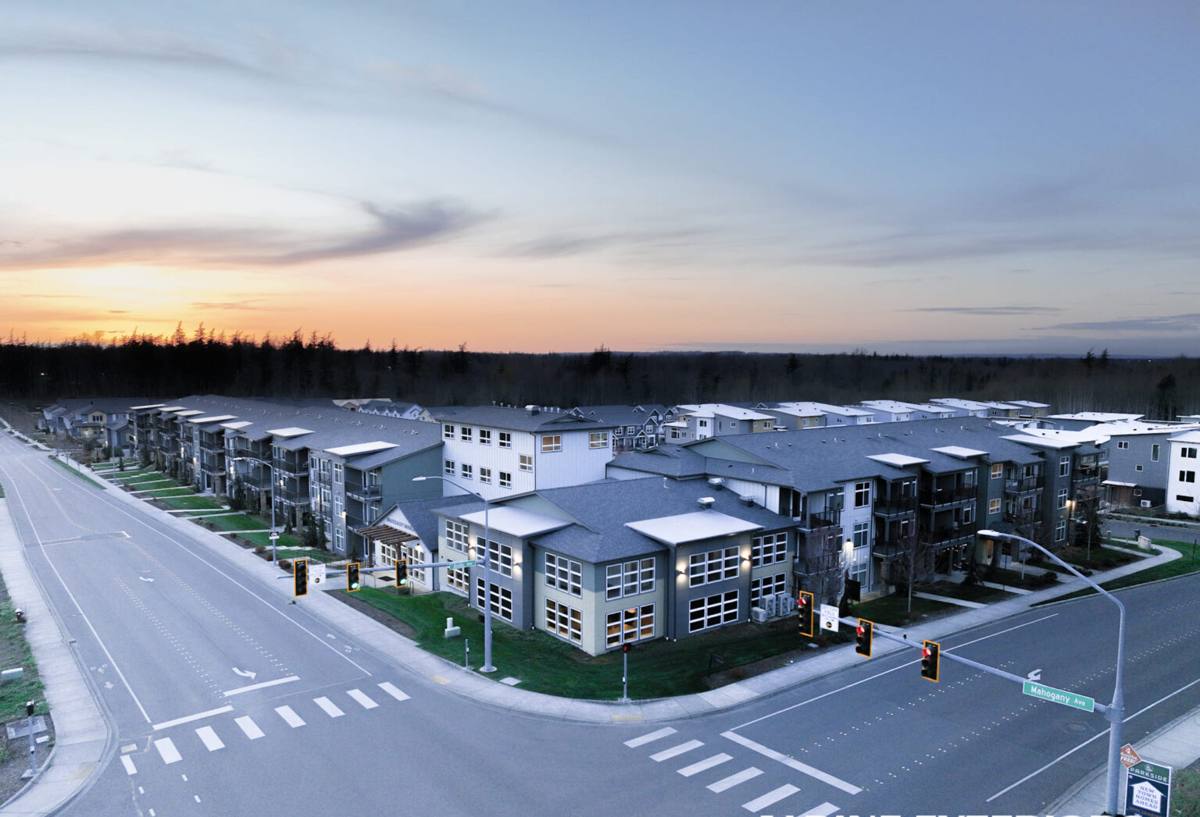
What Whatcom County Weather Actually Does to a Roof
A Long Moss Season
Western Whatcom County doesn't get a hard freeze-and-thaw cycle for most of the year — it gets months of cool, damp, low-sun conditions that are close to perfect for moss and algae growth. On asphalt shingles and wood shakes, moss roots into the material itself, lifting edges and holding water against the roof deck. On a properly installed metal roof, there's nothing for moss to grab onto and the smooth surface sheds spores before they can establish. It's not moss-proof forever, but it's dramatically lower maintenance than a granular or wood surface.
Wind-Driven Rain
Open farmland and river-valley wind patterns push rain sideways more often here than homeowners expect. That matters because wind-driven rain doesn't just test the roof surface — it tests every seam, lap, and fastener. A roof that sheds water fine in a straight-down rain can still leak in a 30-mph sideways storm if the laps and flashing details weren't built for it.
Salt Air and Moisture Load
Homes closer to Bellingham Bay and the coast see the most direct salt exposure, but marine air moves inland with weather systems and adds to the general moisture load every roof in the county carries. Combined with the shade from mature trees common on Lynden properties, that moisture rarely gets a long, dry stretch to fully evaporate — which is exactly the condition that shortens the life of fasteners, flashing, and any roofing material that isn't corrosion-resistant by design.
Why Metal Roofing Fits This Climate
Metal roofing isn't the right fit for every home or every budget, but for Whatcom County's rain-and-moss climate, it solves several problems at once:
- Steep slope shed rate that clears wind-driven rain faster than most other materials
- No organic surface for moss and algae to root into
- Panel systems that handle wind uplift well when fastened to spec
- Coated finishes designed to resist the corrosion that damp, salt-tinged air accelerates
- A 40-to-60-year service life when installed and maintained correctly, versus 20-30 years for asphalt in this climate
None of that is automatic, though. Metal roofing is far less forgiving of installation mistakes than asphalt shingles — a poorly cut panel, a missed clip, or the wrong fastener can cause a leak or premature failure that won't show up for a year or two, long after the crew is gone.
Standing Seam vs. Exposed-Fastener Panels
These are the two systems most homeowners in this area end up choosing between. Both are legitimate options — the right one depends on budget, roof pitch, and how long you want to go before any maintenance is needed.
| Factor | Standing Seam | Exposed-Fastener (Corrugated/Ribbed) |
|---|---|---|
| How panels attach | Concealed clips under raised seams — no exposed screws | Screws driven through the panel face into rubber-washered fasteners |
| Long-term maintenance | Very low; nothing on the surface to seal or replace | Washers on exposed fasteners harden and need replacing over time |
| Thermal movement handling | Panels float on clips, so they expand and contract without stress | Panels are fixed at each fastener, which is less forgiving of movement |
| Upfront cost | Higher material and labor cost | More budget-friendly |
| Best fit | Homes where the owner wants the longest possible maintenance-free stretch | Outbuildings, shops, and budget-conscious main roofs |
We'll walk through both options honestly during an estimate rather than defaulting to whichever is easier to sell. On a lot of Lynden homes with long, exposed roof planes, the lower maintenance burden of standing seam pays for itself over the life of the roof — but that's a homeowner's call, not ours to make for you.
What a Correct Metal Roof Installation Actually Involves
Deck Inspection and Prep
Before any panel goes down, the decking underneath needs to be sound. Years of trapped moisture from a failing old roof can soften plywood or sheathing boards, and metal panels fastened over a spongy deck won't hold fasteners correctly no matter how good the panels are. This is the step that gets skipped by crews in a hurry — and it's the one that causes problems years later.
Underlayment That Matches the Climate
A high-temperature synthetic underlayment across the whole roof, with self-adhering ice-and-water membrane at valleys, eaves, and around every penetration, gives the roof a real second line of defense if wind ever drives rain up under a seam. In a climate that sees this much sustained wet weather, skipping or skimping on underlayment is one of the most common corners cut.
Fastening and Room for Thermal Movement
Metal panels expand and contract with temperature swings more than shingles do. Standing seam clips need to be spaced and installed to let panels move without buckling; exposed-fastener panels need to be fastened snug but not overdriven, which crushes the rubber washer and opens a path for water. Both take a level of attention that only comes with experience on this specific material.
Flashing and Penetrations
Chimneys, vents, skylights, and wall-to-roof transitions are where most metal roof leaks actually originate — not the field panels themselves. Correct step flashing, counter-flashing, and sealed penetration boots at every single penetration are non-negotiable, especially on a roof that will see 40-plus years of wind-driven rain.
Ventilation
Metal roofs installed over unventilated or under-ventilated attics can develop condensation on the underside of the panels, which drips back down and mimics a leak. Balanced intake and exhaust ventilation is part of a correct install, not an optional add-on.
Our Process
- On-site inspection and honest assessment — we look at the existing roof, decking condition, and any problem areas before recommending a system or panel type.
- Written estimate with real options — standing seam vs. exposed-fastener, panel gauge, and finish, with the trade-offs explained in plain terms.
- Tear-off or deck repair as needed — we don't install over a compromised deck, and we'll show you what we find before covering it up.
- Underlayment, flashing, and panel installation — done to manufacturer spec, with attention to every valley, penetration, and transition.
- Final walkthrough — we cover what maintenance (if any) the system needs and what the warranty actually covers.
Maintenance in a Climate Like This
One of metal roofing's real advantages is how little upkeep it needs — but "little" isn't "none," especially in a wet, tree-shaded climate. A short annual check keeps small issues from becoming roof-replacement issues:
- Clear debris and needles out of valleys and around penetrations before fall rains set in
- Check gutters and downspouts for moss and debris buildup that can back water up under eave flashing
- Look at exposed fasteners (if that's your panel type) for washer wear every few years
- Trim back overhanging branches that keep sections of roof shaded and damp longer than the rest
- Have flashing around chimneys and skylights checked after any major windstorm
Why Hiring a Crew That Already Works Lynden Matters
Whatcom County's building department has specific requirements around wind and snow loading that vary by roof pitch and exposure — details that matter for panel spacing and fastening schedules but that get missed by crews who mostly work somewhere else. A crew that's already pulled permits and installed roofs in and around Lynden knows the inspection process, knows which suppliers stock the panel profiles that hold up here, and has already seen how this specific climate treats a roof over a few winters rather than guessing from a manufacturer's brochure. That local track record is worth asking about directly when you're vetting who does this work.
If you're weighing metal roofing for a home in Lynden or elsewhere in Whatcom County, we're glad to walk the roof with you and give a straightforward, no-pressure estimate — use the form below to get started.