 Whatcom County
 Siding Installation in Columbia, Whatcom County
Columbia sits close enough to Bellingham Bay that salt air is part of daily life, and that changes what a home's siding has to withstand. Add Whatcom County's long wet season, wind-driven rain off the water, and months of shade and moisture that keep moss and mildew active, and you have an exterior environment that is genuinely harder on building materials than most of the country ever deals with. Siding here isn't just a cosmetic choice — it's the layer standing between your framing and a climate that rarely lets a house fully dry out.
We install James Hardie fiber cement siding exclusively, and we work in Columbia and the surrounding Whatcom County neighborhoods regularly enough to know what actually fails on homes in this specific pocket of the county, and what holds up.
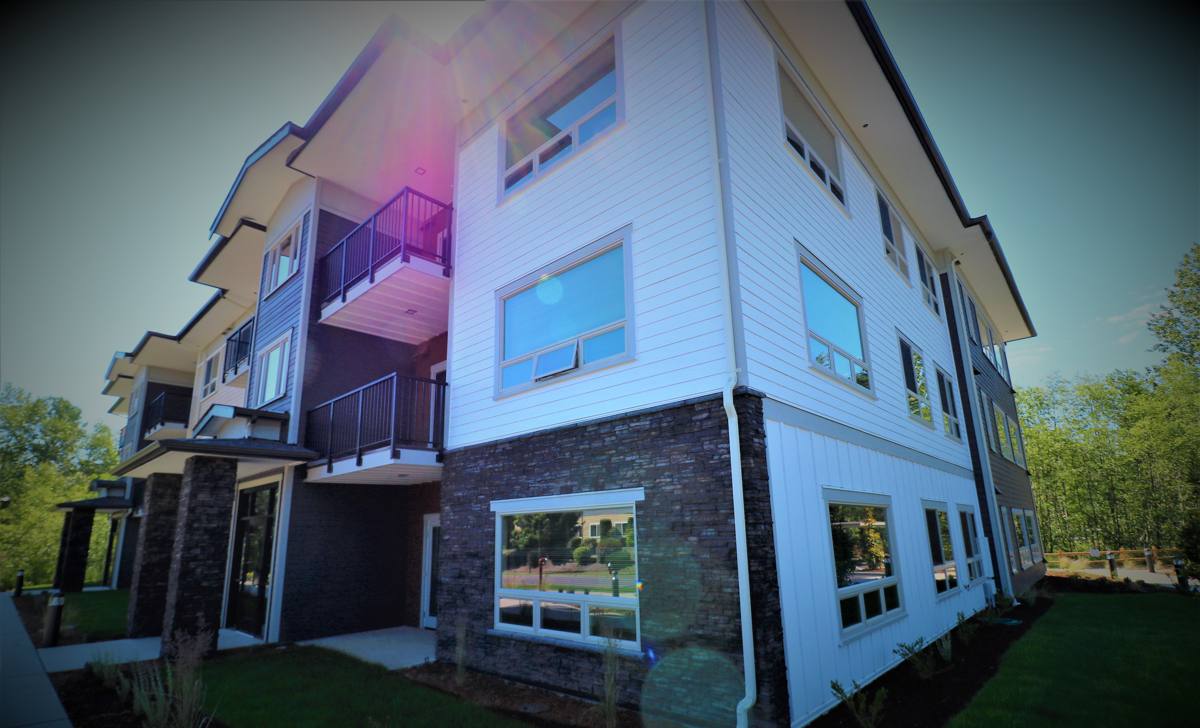
What Columbia's Climate Actually Does to Siding
Salt air
Proximity to the bay means airborne salt settles on exterior surfaces year-round, not just during storms. Salt accelerates corrosion on exposed metal fasteners and trim, and it degrades certain paints and coatings faster than inland exposure would. Siding products with weak factory finishes tend to chalk, fade, or lose adhesion noticeably faster in a salt-air zone like this than the same product installed twenty miles inland.
Driving rain
Whatcom County storms frequently come with real wind behind the rain, which pushes water sideways into joints, seams, and butt ends rather than letting it simply run down the wall. That means water management — proper flashing, correct laps, sealed penetrations — matters more here than in climates where rain falls mostly straight down. A siding job that would pass fine in a dry climate can leak within a few seasons here if the water-shedding details were rushed.
A long moss season
Shaded north-facing walls, mature tree cover, and months of damp, mild weather give moss, algae, and mildew a long runway to establish themselves on exterior surfaces. Porous or absorbent siding materials hold moisture longer and give organic growth more to feed on. Siding that resists moisture absorption at the surface stays cleaner longer and is far less likely to trap the kind of persistent dampness that eventually reaches the wall assembly behind it.
Why This Matters More in Columbia Than in a Generic Listing
A lot of siding guidance online is written for a national audience and glosses over the fact that coastal Pacific Northwest exposure is its own category of demanding. Columbia homes aren't dealing with occasional heavy rain — they're dealing with sustained damp seasons, salt-laden air, and shade patterns that keep moisture around longer than a sunnier, drier neighborhood would. The right siding choice and the right installation details aren't optional refinements here; they're what determines whether a job looks good for two years or holds up for decades.
Why We Install James Hardie and Nothing Else
We made a deliberate decision to install only James Hardie fiber cement siding, and we don't install vinyl, LP SmartSide, or other fiber cement alternatives like Cemplank or Allura. That's not a marketing position — it's a standard we hold because of what we've seen hold up in this climate and what hasn't.
- Non-combustible material: fiber cement doesn't contribute fuel to a fire the way vinyl or wood-based products can.
- Moisture-resistant composition: Hardie's fiber cement formulation resists the swelling, softening, and rot that engineered wood products can be prone to when installation details aren't perfect or when a home sees sustained damp exposure.
- ColorPlus factory finish: a baked-on, multi-coat finish applied under controlled conditions, which holds color and resists the fading and chalking that field-applied paint struggles with under salt air and UV exposure.
- Climate-engineered HZ product lines: Hardie manufactures HZ5 formulations specifically for wetter, cooler climates like ours, rather than a one-size-fits-all product.
- A strong, transferable warranty: backed by decades of manufacturing history and a track record in demanding climates, not just a promotional claim.
We're not going to tell you vinyl or engineered wood siding are bad products in every application — they have real advantages in the right climate and budget. But we've chosen not to install them because, in a salt-air, high-rainfall, long-moss-season environment like Whatcom County, we don't think they hold up to the standard we want to put our name behind.
What a Correct Installation Involves
Fiber cement siding is only as good as the installation behind it. The material itself resists moisture and rot, but if water gets behind it and has nowhere to go, you can still end up with problems in the sheathing and framing. A correct job includes:
Water-resistive barrier and flashing
A properly lapped weather-resistive barrier goes on the wall first, with flashing integrated at every window, door, and penetration so water is directed out and down, never trapped behind the cladding.
Correct fastening
Hardie specifies fastener type, spacing, and placement for a reason — under-driven or over-driven nails, wrong fastener material, or incorrect spacing all create failure points, especially in a climate where wind-driven rain will find any weakness.
Proper clearances and gaps
Siding needs clearance from grade, roofing, decks, and other transitions so water can't wick upward or pool against the bottom edge. This is one of the most commonly skipped details on rushed jobs, and it's one of the first things we check on a home's existing siding.
Caulking and joint treatment
Butt joints, corners, and trim intersections need to be treated according to Hardie's specifications, not just caulked over generically. Done wrong, these become the first place moisture intrusion shows up.
Painted or factory-finished cut edges
Any field-cut edge needs to be sealed to prevent moisture wicking into the cut face of the panel, particularly important given how much of the year Columbia sees damp conditions.
Our Process for a Columbia Siding Installation
- On-site assessment: we look at your home's exposure — how much direct salt air and wind-driven rain it takes, where shade and moss buildup are already visible, and the condition of the existing siding and sheathing underneath.
- Sheathing and moisture check: before any new siding goes up, we confirm the wall assembly underneath is sound. If prior moisture intrusion has damaged sheathing, that gets addressed first — new siding over compromised sheathing doesn't solve anything.
- Weather barrier and flashing installation: the water-management layer goes in correctly the first time, since this is what determines long-term performance more than the siding itself.
- Hardie panel or lap installation: installed to manufacturer spec for fastening, spacing, and clearances, using the HZ5 product line appropriate for our climate zone.
- Trim, caulking, and detail work: corners, joints, and penetrations finished to spec so the whole system sheds water as designed.
- Final walkthrough: we go over the finished job with you, including what maintenance (if any) to expect going forward.
Cost Factors for a Columbia Siding Project
Every home is different, but the following factors consistently move the price of a siding installation up or down. We'll always give you a firm number after seeing your home in person — broad ranges online are a starting point, not a quote.
| Factor | Why It Matters |
|---|---|
| Home size and wall area | More square footage means more material and labor, the most direct cost driver. |
| Existing siding removal | Tear-off and disposal of old vinyl, wood, or damaged fiber cement adds labor and dump fees. |
| Sheathing or framing repair | If moisture has already damaged the wall assembly, that repair happens before new siding goes on. |
| Panel vs. lap profile | Different Hardie profiles (lap, shingle, panel) have different material and install labor costs. |
| Trim and detail complexity | Homes with more corners, windows, dormers, or architectural detail take more time to finish correctly. |
| Color selection | ColorPlus factory finishes vs. field-painted options can affect material pricing. |
| Access and site conditions | Sloped lots, tight setbacks, or limited staging area can add labor time. |
Signs Your Columbia Home Needs New Siding
- Persistent moss or algae growth that returns quickly after cleaning
- Soft spots, bubbling, or visible warping, especially on shaded or north-facing walls
- Paint that's peeling or failing faster than a normal repaint cycle would suggest
- Visible gaps, cracking, or separation at seams and corners
- Rust staining around fasteners or trim, a sign of moisture and metal fatigue
- Musty smells or moisture signs on interior walls that share an exterior wall
- Siding that's original to a home built more than 20-25 years ago in this climate
Why Hiring a Crew That Already Works Columbia Matters
Siding installation isn't a generic skill applied identically everywhere. A crew that works Whatcom County's coastal neighborhoods regularly already understands how much clearance to leave near grade in a climate that doesn't dry out quickly, how aggressively to detail flashing around windows given the wind-driven rain patterns here, and what a home exposed to sustained salt air needs from its fasteners and finish. That local pattern recognition is the difference between a crew executing a generic install manual and a crew making the right judgment calls on your specific home, in your specific microclimate.
If you're weighing a siding replacement or repair on a Columbia home, we're happy to take a look and walk you through what we'd recommend and why — no pressure, no obligation. Reach out for a free estimate using the form below.