 Whatcom County
 Window Replacement Built for South Hill's Weather
South Hill sits close enough to the water and to Bellingham Bay's weather patterns that homes here take a different kind of beating than houses further inland in Whatcom County. Salt-laden air, wind-driven rain that gets pushed sideways into window frames, and a long wet season that keeps moss and algae active for most of the year all add up over time. Older windows in this neighborhood often show it first around the frame corners, the bottom sash, and anywhere caulking has started to crack or pull away from siding.
Window replacement here isn't just about picking a style you like. It's about choosing materials, flashing details, and installation methods that hold up to this specific combination of moisture and salt exposure, year after year, without babysitting.
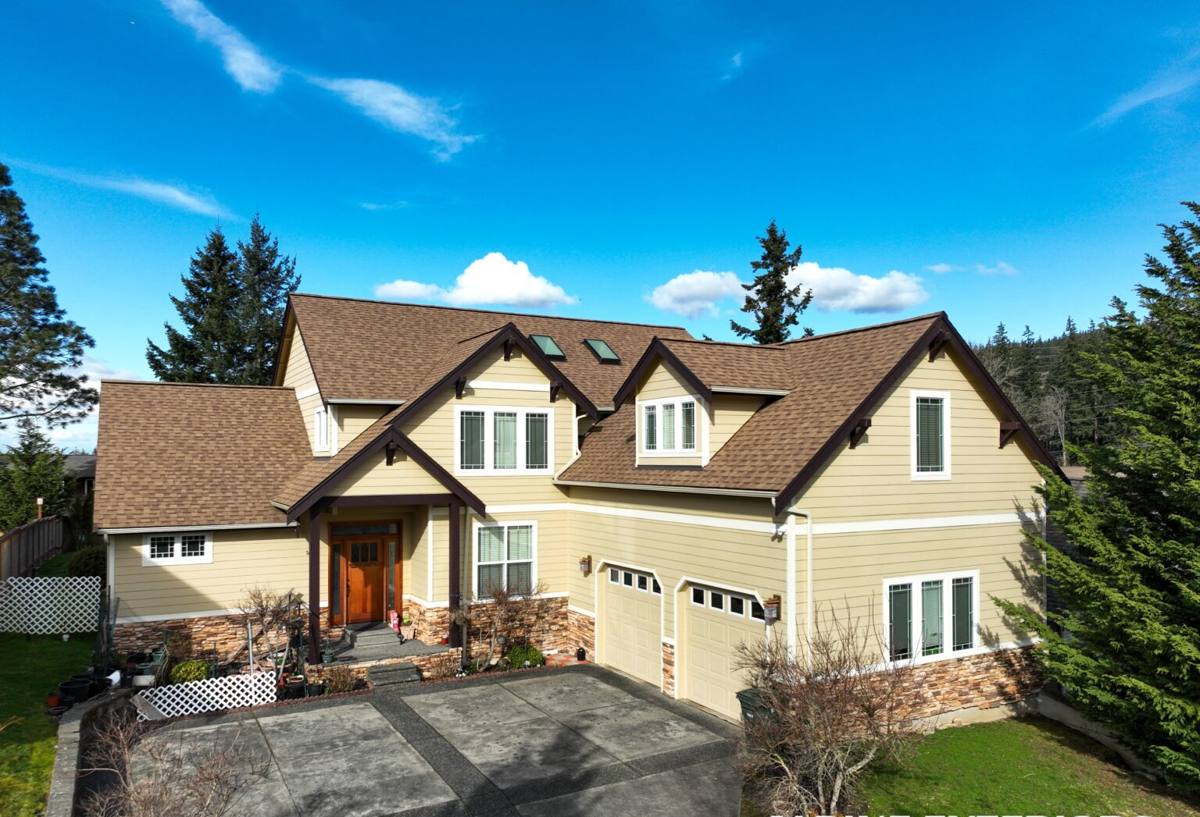
What South Hill's Climate Does to Windows
Salt Air and Metal Fatigue
Homes closer to the water deal with airborne salt that settles on window hardware, screens, and exposed fasteners. Over years, this accelerates corrosion on lower-quality hinges, cranks, and locking mechanisms, and it can pit unprotected aluminum components. It's one reason we pay attention to hardware quality, not just glass and frame, when we spec a replacement window for this area.
Driving Rain and Wind-Loaded Water
Whatcom County storms frequently push rain horizontally instead of straight down. That means water gets forced into gaps that would stay dry in calmer weather — around the window's nailing flange, at the head flashing, and at any point where old caulk has failed. A window that's watertight in a light rain can still leak in a wind-driven storm if the flashing details weren't done right the first time.
Moss, Algae, and Trapped Moisture
The long wet season keeps shaded and north-facing exteriors damp for extended stretches, which is exactly what moss and algae need to take hold. When moss builds up on sills, trim, or nearby siding, it holds moisture directly against wood and can accelerate rot at the window perimeter — often before it's visible from inside the house.
Signs a South Hill Home Needs Window Replacement
- Soft or spongy wood at the sill or lower frame when pressed with a finger
- Fogging or a persistent haze between panes of double-glazed glass
- Windows that are difficult to open, close, or lock properly
- Visible gaps, cracked caulk, or daylight around the frame
- Cold drafts near the window even when it's fully closed
- Paint that's bubbling or peeling on interior trim near the glass
- Moss or dark staining building up on the sill or exterior trim
- Noticeably higher heating bills without another clear cause
What a Correct Window Replacement Job Involves
Swapping in a new window is straightforward. Doing it in a way that actually holds up to this climate takes more care, particularly at the details that aren't visible once the trim goes back on.
Assessing What's Underneath
Before anything gets installed, we check the condition of the framing and sheathing around each opening. If moisture has already gotten into the wall assembly, that needs to be addressed before a new window goes in — otherwise you're sealing a problem behind a fresh window instead of fixing it.
Flashing and Water Management
This is where most premature failures start. Proper flashing sequencing — sill pan, side flashing, and head flashing layered correctly with the house wrap — is what actually keeps wind-driven rain from getting behind the window over time. Caulk alone is not a substitute for correct flashing; it's a secondary seal, not the primary defense.
Air Sealing and Insulation
Gaps between the window frame and the rough opening should be sealed with an appropriate low-expansion foam or backer rod and sealant, not stuffed with fiberglass insulation alone. This affects both energy performance and how well the window resists condensation on cold, damp mornings — common in this area during the wetter months.
Finish Work
Exterior trim and caulking are finished to shed water, not trap it. Interior trim is reset cleanly so the window operates smoothly and the room looks finished, not patched.
Choosing Materials for This Climate
Frame material matters more here than in drier parts of the state. We steer homeowners toward materials and finishes that are proven to handle sustained moisture exposure and occasional salt air without excessive maintenance.
| Frame Material | How It Handles South Hill Conditions | Maintenance Expectation |
|---|---|---|
| Vinyl | Resists moisture and corrosion well; won't rot or rust from salt air | Low — occasional cleaning |
| Fiberglass | Very stable in wet, temperature-swinging conditions; strong resistance to warping | Low — occasional cleaning |
| Aluminum | Can be prone to corrosion pitting near the water without a quality protective finish | Moderate — finish inspection over time |
| Wood (unclad) | Attractive but vulnerable to rot and moss growth without diligent upkeep | High — regular painting/sealing |
| Wood-clad | Combines interior wood look with an exterior shell better suited to moisture | Moderate |
We don't push any single brand or material on every home. The right choice depends on your home's exposure, your budget, and how much upkeep you actually want to do. What we will say plainly: a window that looks great but demands constant maintenance to stay watertight isn't doing South Hill homeowners any favors.
Glass Options Worth Understanding
Beyond the frame, the glass package affects comfort and condensation resistance, both relevant given how humid it stays here for much of the year.
- Double-pane, low-E glass — the standard baseline for this climate; reduces heat loss and helps manage interior condensation
- Argon or krypton gas fill — improves insulation value between panes at modest added cost
- Warm-edge spacers — reduce cold spots at the glass edge, which is often where condensation first appears on damp mornings
- Triple-pane glass — worth considering on north-facing or particularly exposed walls, though it adds cost and weight
Our Process for South Hill Window Replacement
- On-site assessment of existing windows, framing condition, and problem areas specific to your home's exposure
- Straightforward walkthrough of material and glass options, with honest pros and cons for your situation and budget
- Written estimate with no pressure to decide on the spot
- Careful removal of old windows and inspection of the rough opening before new units go in
- Correct flashing, air sealing, and insulation at every opening — not just the ones that are easy to reach
- Clean finish work inside and out, with job-site cleanup when the work is done
Why a Crew That Already Works South Hill Matters
General contractors can install windows anywhere. What's different about a crew that regularly works this specific area is familiarity with how South Hill homes are actually built and what's already failed on similar houses nearby — the exposure patterns from prevailing storms, which wall orientations tend to hold moisture longest, and which older window products in this area are now due for replacement based on age and material.
That local pattern recognition means fewer surprises once we open up an old window opening, and it means the flashing and sealing details are built around how weather actually hits homes in this part of Whatcom County, not a generic install checklist.
Cost Factors to Expect
Every home is different, so exact numbers depend on window size, quantity, material, glass package, and how much work the existing opening needs. In general terms, homeowners in this area should expect costs to vary based on a few key factors:
| Factor | Why It Affects Cost |
|---|---|
| Frame material | Vinyl is typically the most budget-friendly; fiberglass and wood-clad options cost more |
| Window size and style | Larger openings, bay windows, and custom shapes require more material and labor |
| Condition of the rough opening | Hidden rot or framing damage adds repair work before the new window can go in |
| Glass package | Upgrades like triple-pane or specialty low-E coatings add to the base price |
| Number of windows | Replacing multiple windows in one project is generally more cost-efficient than doing them one at a time |
We'll always give you a clear, itemized estimate before any work starts, so you know exactly what you're paying for and why.
Get a Straight Answer About Your Windows
If your South Hill home has windows that are drafty, fogging, sticking, or showing signs of moisture damage, it's worth having someone take a real look before the next wet season sets in. We offer free, no-pressure estimates — we'll tell you honestly whether replacement makes sense now or whether a repair will hold you over. Fill out the form below to schedule a visit.