 Whatcom County
 Why Sunnyland Homes Ask More of Their Windows
Sunnyland sits close enough to Bellingham Bay that salt-laden air is a constant, low-grade stress on anything metal or painted on the exterior of a house. Combine that with Whatcom County's long, wet fall-through-spring stretch of driving rain off the water, and windows here are doing more work than windows in a drier inland climate. Add a moss season that can run six months or longer in shaded or north-facing spots, and you have three separate forces — salt, water, and organic growth — all working against the seals, frames, and finishes of an aging window.
None of this means Sunnyland homes need anything exotic. It means the window, the installation, and the materials all need to be matched to what this specific neighborhood actually experiences year-round, not to a generic spec sheet.
What "Custom" Actually Means for This Neighborhood
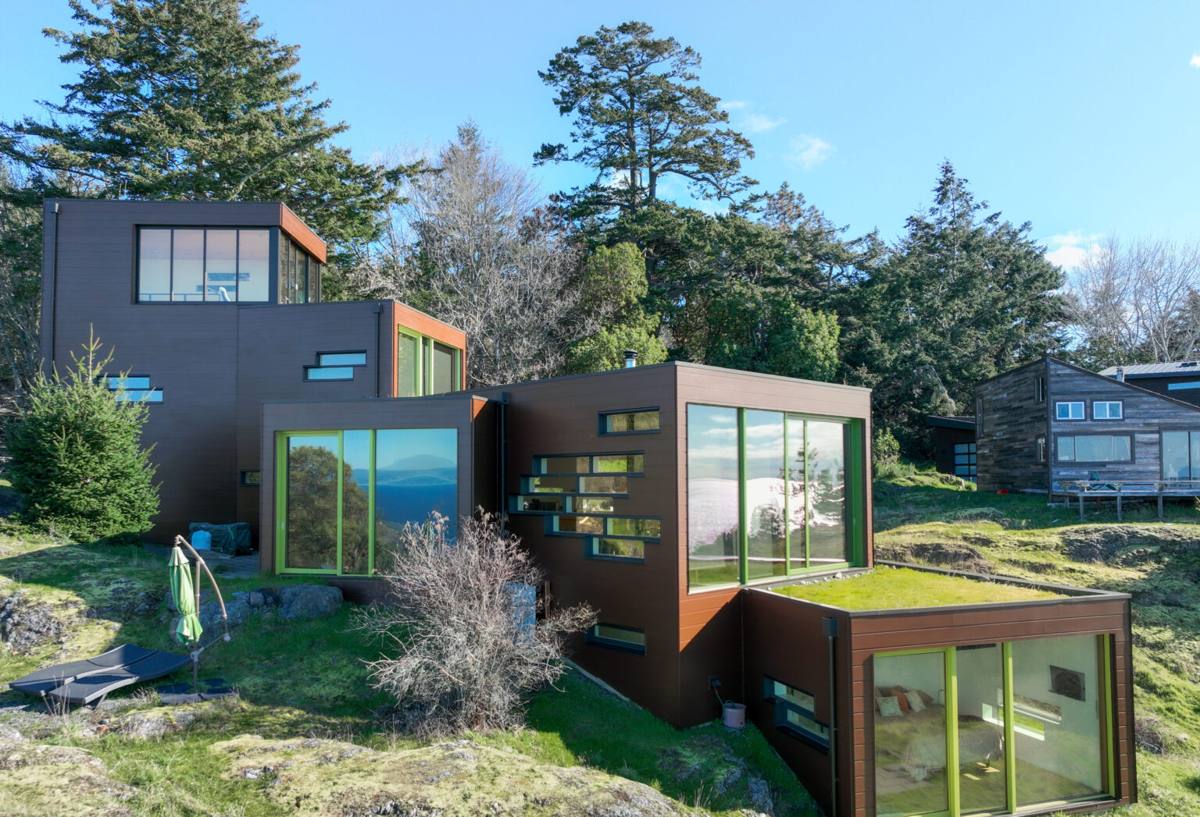
"Custom windows" doesn't mean unusual shapes or luxury add-ons — most of the time it means a window built to fit an opening that a big-box standard size won't fit cleanly. Sunnyland has a mix of home ages and styles, and older houses in particular tend to have window openings that were framed before manufacturers standardized sizing. Forcing a stock window into a non-standard opening usually means shimming, gap-filling, and extra caulk — all of which become the first thing to fail once winter rain sets in.
Common reasons a Sunnyland home needs a true custom order
- Original openings from an era before standardized window sizing
- Settling or minor frame movement over the decades that's made an opening slightly out-of-square
- Additions or remodels where the rough opening doesn't match anything off a shelf
- A homeowner matching a specific sightline, grid pattern, or trim profile across a whole elevation
- Replacing one odd-shaped window (arched, angled, oversized) without re-framing the whole wall
Custom sizing costs more than a stock window, but it costs far less than the water damage and rot repair that comes from forcing an ill-fitting window into an opening and hoping caulk holds it together through a Whatcom County winter.
Material and Glass Choices That Hold Up Here
Every window material handles salt air, rain exposure, and moss differently. We don't push one product line — we walk homeowners through the real trade-offs so the choice matches the house and the budget.
| Material | How it handles salt air & rain | Maintenance in moss season | Typical fit |
|---|---|---|---|
| Vinyl | Won't corrode or rust; performs consistently in coastal air | Occasional rinse to keep grime and algae film off sills | Most Sunnyland replacements — budget-friendly, low upkeep |
| Fiberglass | Very stable in temperature and moisture swings, resists warping | Low; finish holds up well over time | Homes wanting a premium, long-life option |
| Wood or wood-clad | Handsome look but the wood core needs protection from constant coastal moisture | Highest — exterior finish and any exposed wood need regular inspection | Historic or character homes where matching original sightlines matters most |
| Aluminum | Prone to corrosion pitting in salt air over time unless properly coated | Moderate; watch for oxidation at hardware and frame joints | Limited use — mainly where an existing aluminum system is being matched |
For glass, we lean toward dual-pane units with a low-E coating and argon fill on nearly every Sunnyland job. That combination cuts heat loss through a long, gray Whatcom County winter and reduces the interior condensation that shows up on single-pane or poorly sealed older windows once outdoor humidity climbs.
On wood windows specifically
We're not against wood — some Sunnyland homes deserve it for character reasons, and a well-built, well-maintained wood window can last decades. Our honest standard is that we only recommend it when the homeowner understands the maintenance commitment: regular repainting or resealing of exposed surfaces, and closer attention to any spot where the finish has worn thin. In a climate with this much sustained moisture, a wood window that's neglected for even a couple of seasons can start absorbing water at the joints faster than a vinyl or fiberglass unit would.
Signs Your Current Windows Are Losing the Fight
Most window failure in this climate is gradual — it shows up as small symptoms long before a window actually fails structurally. Worth checking each fall before the rain really sets in:
- Fogging or a permanent haze between the panes (a sign the seal has failed and the gas fill is gone)
- Green or black film building up in the corners of the frame or on the sill, especially on shaded sides of the house
- Paint or finish bubbling or peeling on the exterior frame
- Drafts you can feel by hand along the frame edge on a windy day
- Difficulty opening, closing, or locking — a sign the frame has swelled, warped, or shifted
- Soft or spongy wood trim around the window when pressed
- Visible daylight or gaps where the frame meets the siding
Any one of these on its own isn't an emergency. Several of them together, especially on a window facing prevailing weather, usually means the window is past the point where caulk and weatherstripping will fix it.
What a Correct Installation Actually Involves
The window itself is only part of what determines whether it performs in this climate. The install is where most long-term failures actually originate.
Steps we don't skip
- Remove the old window and inspect the rough opening for hidden rot or moisture damage before anything new goes in
- Repair or replace any compromised framing — installing a new window over damaged wood just hides the problem
- Install proper flashing so water sheds away from the opening rather than behind the siding
- Set the window level, square, and properly shimmed so it operates correctly for years, not just on day one
- Seal and insulate the gap between the frame and the rough opening completely — gaps here are a major source of drafts and moisture entry
- Finish the exterior trim and caulk lines so water is directed off the wall, not trapped against it
Skipping the flashing step or rushing the seal is the single most common cause of window-related water damage we see in coastal Whatcom County homes. It's invisible for a year or two, then shows up as rot in the wall framing.
Our Process, Start to Finish
We keep this straightforward and try not to waste a homeowner's time with a hard-sell visit.
1. On-site assessment
We look at each window opening individually — condition of the framing, current material, sun and rain exposure on that elevation, and what's actually causing the performance problem.
2. Honest recommendation
We'll tell you which windows genuinely need replacement now, which can wait, and which material fits your budget and the house's exposure. We're not incentivized to upsell you into replacing windows that still have useful life left.
3. Custom measurement and ordering
Every opening gets measured individually rather than assumed to match a stock size, especially on older Sunnyland homes where openings can vary window to window.
4. Installation
Full removal, framing inspection and repair as needed, proper flashing, air sealing, and finish work — done in a way that holds up through a wet Whatcom County winter, not just through the first dry season.
5. Final walkthrough
We check operation, seals, and exterior finish with you before we consider the job done.
Living With a Long Moss Season
Moss and algae don't just grow on roofs here — they'll take hold on window sills, frame corners, and anywhere shaded moisture sits for extended periods. It's mostly a cosmetic and maintenance issue rather than a structural one, but left unaddressed for years it can trap moisture against the frame and slowly break down caulk and finish. A simple annual rinse and inspection of window sills and frames, especially on the north and shaded sides of the house, goes a long way toward keeping a new window performing like new for its full service life.
Why Hiring a Crew That Already Works This Neighborhood Matters
A crew that's installed windows across Sunnyland and the surrounding Bellingham area already knows what this specific stretch of Whatcom County throws at a house — which elevations take the worst of the rain, how salt air off the bay tends to affect different materials over time, and what kind of framing issues tend to turn up in homes of a given age in this neighborhood. That local pattern recognition matters when you're trying to avoid paying twice: once for a window, and again a few years later for water damage repair because the install wasn't matched to local conditions.
It also means faster, more accurate estimates. We're not guessing at how this climate treats a given product — we're telling you what we've actually seen hold up.
If your Sunnyland home has windows showing any of the signs above, or you're planning ahead of a remodel, we're happy to take a look and give you a straightforward, no-pressure estimate — just fill out the form below to get started.