 Whatcom County
 Why Siding Repair in Sunnyland Isn't a One-Size-Fits-All Job
Sunnyland is one of Bellingham's older, established residential neighborhoods, and that means a wide mix of siding types, ages, and installation quality sitting side by side on the same block. A repair crew that mainly works new-construction subdivisions elsewhere in the county isn't necessarily prepared for what shows up on a 30- or 40-year-old exterior here. Whatcom County's climate is not gentle on siding, and Sunnyland homes get the full package: salt-laden air moving in off the Sound, long stretches of driving rain, and a moss season that can run half the year. Repairing siding correctly in this neighborhood means understanding how those three forces interact with whatever material is already on the wall, not just patching the visible damage and moving on.
This page focuses specifically on siding repair for Sunnyland homes — what local houses actually need, what a correct repair involves, and why the details matter more here than they would in a drier inland climate.
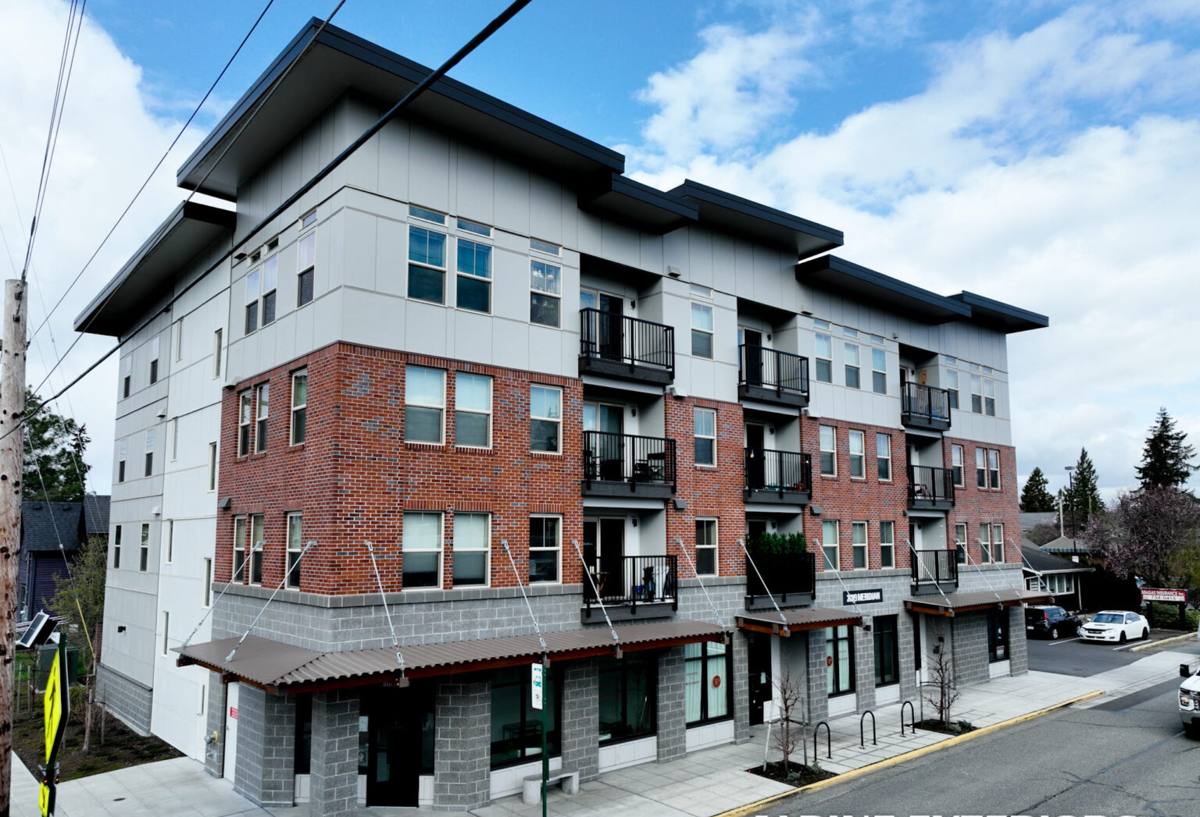
What Whatcom County's Climate Does to Siding Over Time
Salt Air and Fastener Corrosion
Homes throughout Whatcom County, including Sunnyland, sit close enough to marine air that salt exposure is a real factor in exterior durability. Salt air accelerates corrosion in exposed nail heads, metal trim, flashing, and staples — especially on older installations that used standard fasteners instead of corrosion-resistant ones. Once a fastener starts to rust, it can streak the siding, lose its grip, or fail outright, which is often the actual root cause behind siding that looks like it's "coming loose" for no clear reason.
Driving Rain and Water Intrusion Points
Whatcom County's rain doesn't always fall straight down — wind-driven rain during fall and winter storms pushes water sideways into laps, seams, and butt joints that were never designed to handle it. Over years, this finds every weak point in a siding system: a gap where caulk has failed, a corner where flashing was skipped, a butt joint that wasn't properly sealed. Water intrusion is rarely dramatic at first. It shows up as soft spots, staining, or paint failure long before anyone sees actual rot.
Moss, Algae, and Trapped Moisture
The long moss season here isn't just cosmetic. Moss and algae hold moisture against the siding surface for extended periods, which slows drying time after every rain event and keeps wood-based products in particular at a higher moisture content for more of the year. On north-facing walls and shaded sections of a lot — common in a mature neighborhood like Sunnyland — this cycle repeats for months at a stretch, which is exactly the condition that accelerates rot in wood siding and trim.
Signs a Sunnyland Home Needs Siding Repair
Most siding failures give warning signs well before they become expensive problems. Homeowners in this neighborhood should watch for:
- Soft or spongy spots when you press on siding or trim, especially near the bottom courses and around windows
- Paint that's bubbling, peeling, or failing repeatedly in the same spots
- Visible gaps opening up at butt joints, corners, or where siding meets trim
- Dark staining or streaking running down from nail heads or seams
- Heavy, persistent moss or algae growth that doesn't fully dry out between rain events
- Siding that feels loose, warped, or has visibly cupped away from the wall
- A musty smell near an exterior wall, which can indicate moisture has reached the sheathing behind the siding
Any one of these on its own might be minor. Several together, especially on a wall that gets a lot of weather exposure, usually means water has been getting behind the siding for a while.
What a Correct Siding Repair Actually Involves
Diagnosing the Cause, Not Just the Symptom
The most common mistake in siding repair is treating the visible damage as the whole problem. A cracked board or a stained panel is usually a symptom of something happening behind it — failed flashing, a gap in the water-resistive barrier, or years of trapped moisture from moss growth. A correct repair starts by opening up the area enough to see what's actually going on underneath, not just swapping the damaged piece and closing it back up.
Matching Materials and Finish
Repairing a section of siding without matching the profile, reveal, and finish of the surrounding material almost always looks patched, and it can also create a mismatch in how the materials expand, contract, and shed water. Where the existing siding is a factory-finished product, matching color and sheen matters for more than looks — it affects how uniformly the wall weathers going forward.
Flashing and Water Management Details
Every repair is also an opportunity to fix the underlying water management that likely caused the failure in the first place — proper flashing at windows, doors, and horizontal trim; correct lapping order; and sealed penetrations where pipes, vents, or fixtures pass through the wall. Skipping this step means the same failure comes back in the same spot within a few years.
Repair vs. Replacement: How We Help You Decide
Not every damaged section needs a full re-side, but a repair is only worth doing if the surrounding material is sound enough to support it. We walk Sunnyland homeowners through the honest trade-offs rather than defaulting to the more expensive option:
| Factor | Repair Usually Makes Sense | Replacement Usually Makes More Sense |
|---|---|---|
| Extent of damage | Isolated to one or two sections or walls | Widespread across multiple elevations |
| Underlying sheathing | Sound, dry, no rot found once opened up | Soft, rotted, or moisture-damaged behind multiple areas |
| Age of existing siding | Mid-life, otherwise performing well | Near or past its expected service life |
| Material availability | Matching material or acceptable substitute exists | Product discontinued or won't match acceptably |
| Recurring failures | First occurrence in that location | Same spot has failed and been patched before |
When damage is contained and the wall behind it is dry and sound, a targeted repair is the right call and the more cost-effective one. When we find rot spreading behind several sections, or the same failure keeps recurring in the same spots, patching it again just delays a bigger cost — and we'll tell you that directly instead of running up billable repairs on a wall that needs to come off.
Why We Repair and Rebuild With James Hardie Fiber Cement
When a repair requires replacing more than a small patch — a full course, a corner, or an entire wall section — we use James Hardie fiber cement rather than trying to source a matching run of whatever was originally installed. We don't install LP SmartSide, vinyl, Cemplank, Allura, primed spruce, or cedar, and that standard applies to repair work too. Fiber cement is non-combustible, holds up to moisture exposure without the swelling or rot risk of wood-based products, and Hardie's ColorPlus factory finish resists the fading and touch-up mismatch problems that come with field-painted repairs. In a climate with this much rain and this long a moss season, we'd rather rebuild a damaged section in a material engineered for it than patch it with something that's likely to fail the same way again. Where the existing siding isn't Hardie, we'll be upfront that an exact material match may not be possible, and we'll walk through whether a full re-side of the affected wall gives you a better long-term result than chasing a cosmetic match.
Our Process for Sunnyland Siding Repair Calls
- On-site inspection: We look at the damaged area and the surrounding siding, checking for signs the problem extends further than what's visible.
- Opening the wall where needed: If moisture damage is suspected, we open up enough of the wall to confirm the condition of the sheathing and framing underneath before quoting anything.
- Honest scope and options: You get a clear explanation of what caused the damage, what a repair involves, and whether repair or partial replacement is the better long-term value.
- Correct water management: Any repair includes fixing the flashing, sealing, or drainage issue that allowed water in — not just replacing the damaged material.
- Material match or upgrade: We match existing siding where reasonably possible, or use James Hardie fiber cement for larger replacement sections, with color and reveal matched as closely as the situation allows.
- Final walkthrough: We review the completed work with you and point out anything worth keeping an eye on going forward.
Why a Crew That Already Works in Sunnyland Matters
Siding repair in this neighborhood benefits from familiarity with the housing stock — the range of ages, the common siding types used in different eras of construction, and the specific ways Whatcom County's rain and moss season tend to attack each one. A crew that regularly works Sunnyland and the surrounding Bellingham area has already seen how salt air corrodes fasteners on a 1970s installation, how driving rain finds its way into a poorly flashed window from the 1990s, and how moss builds up differently on a shaded north wall than a sun-exposed south wall. That pattern recognition shortens the diagnostic process and reduces the chance of a repair that solves the visible symptom but misses the real cause.
Maintaining Siding After a Repair
A good repair should reduce your maintenance burden, not just reset the clock on the same problem. A few habits matter more in this climate than in drier parts of the state:
- Keep gutters and downspouts clear so water isn't overflowing directly onto siding below
- Trim back vegetation and tree limbs that keep sections of the wall shaded and slow to dry
- Address moss and algae growth before it becomes thick enough to trap moisture against the surface
- Re-caulk seams and joints on the manufacturer's recommended schedule rather than waiting for visible gaps
- Walk the exterior once or twice a year and press-test areas prone to soft spots, particularly lower courses and window trim
If you're noticing damage, staining, or persistent moss on your Sunnyland home's siding, we're happy to take a look and give you a straight answer on what it needs — a targeted repair, a partial rebuild, or something more. Reach out for a free, no-pressure estimate using the form below.