 Whatcom County
 Siding Installation in Barkley: Why the Details Matter More Here
Barkley sits close enough to the water and the marine air pattern that moves through Whatcom County that siding here works harder than siding does in drier inland climates. Homeowners searching for siding installation in Barkley are usually dealing with one of three things: a failing original product that was never suited to this climate, a remodel where the exterior needs to catch up with the rest of the house, or new construction where getting the wall assembly right the first time saves a lot of grief later. In every case, the install matters as much as the material. A great product installed poorly will fail early. An average product installed correctly will still underperform in salt air and driving rain compared to a purpose-built assembly done right.
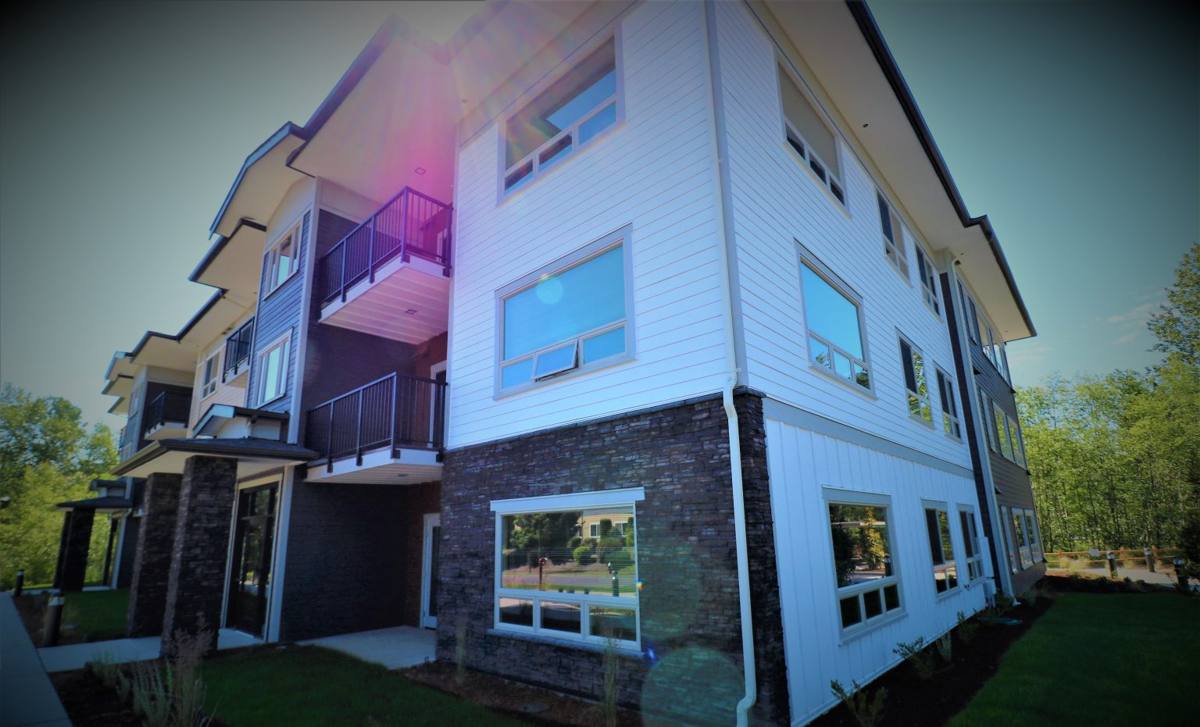
What Whatcom County's Climate Does to Siding
Whatcom County's exterior surfaces deal with a specific combination of stressors, and Barkley homes see all of them.
Salt Air
Proximity to the water means airborne salt settles on siding, trim, and fasteners over time. Salt accelerates corrosion in fasteners and metal flashing, and it can degrade paint films and certain composite materials faster than a purely inland climate would. Material choice and fastener choice both matter here, not just appearance.
Driving Rain
Wind-driven rain doesn't just wet the face of a wall — it pushes moisture sideways and upward, testing every seam, joint, and penetration in a siding system. A wall assembly that relies on caulk alone at the joints, rather than proper lapping, flashing, and drainage behind the cladding, will eventually let water in. Once water gets behind siding and can't dry out, rot and mold follow.
A Long Moss Season
Shade, moisture, and mild temperatures for much of the year make this a strong growing environment for moss and algae on exterior surfaces. Products that hold moisture at the surface, or that have textured, absorbent faces, tend to green up faster. Siding that resists moisture absorption and has a durable factory finish holds its look longer with far less scrubbing and pressure washing.
What a Correct Siding Installation Actually Involves
The siding itself is the visible layer, but it's only part of the system. A correct installation for a Barkley home includes:
- Water-resistive barrier installed and lapped correctly, shingle-style, so water is always directed downward and outward.
- Flashing at every window, door, deck ledger, and roof-to-wall transition — the places wind-driven rain finds first.
- A drainage plane (often a rainscreen or furring strip system) that lets any moisture that does get behind the siding actually dry out instead of sitting against the sheathing.
- Correct fastener type, length, and spacing matched to the siding manufacturer's specifications — under-fastening or over-driving fasteners is one of the most common causes of early siding failure.
- Proper clearances from grade, roofing, decks, and other surfaces so the bottom edge of the siding isn't sitting in standing water or constant splash-back.
- Caulking and sealant used correctly — as a secondary defense, not the primary water management strategy.
Skip any one of these and the siding may look fine for a few years before problems show up — usually after the point where they're cheap to fix.
Why We Install Only James Hardie Fiber Cement
We standardized on James Hardie fiber cement siding for every home we work on, including in Barkley, and we don't install vinyl, LP SmartSide, or other fiber cement brands. That's a deliberate call, not a sales pitch, and here's the honest reasoning behind it for a climate like this one:
| Consideration | Why It Matters in This Climate |
|---|---|
| Moisture behavior | Fiber cement doesn't swell, delaminate, or absorb water the way engineered wood products can when a seam or fastener hole is compromised by driving rain. |
| Non-combustible core | Hardie's fiber cement composition is a real advantage for fire risk, unrelated to coastal weather but part of why we standardized on it. |
| Factory finish | ColorPlus finish is baked on and warranted against fading and peeling, which matters where algae, moss, and salt air are already working against the surface. |
| Climate-engineered lines | Hardie's HZ product lines are formulated for specific climate zones, including wet, marine-influenced regions like ours. |
| Warranty structure | A transferable, long-term warranty backed by one manufacturer is easier to stand behind than a patchwork of products from different suppliers. |
None of this means other products are unusable everywhere — they have their own trade-offs, appearance options, and price points that work for some homeowners and some climates. It means that for the moisture load, salt exposure, and moss pressure a Barkley home deals with, we're not willing to put our name on an installation using a product we don't think holds up as well over the long run. Hardie is what we recommend, and it's the only thing we install.
Our Process for a Barkley Siding Installation
The steps don't change much house to house, but the details we pay attention to are shaped by working in this specific area.
- On-site assessment — we look at the existing wall assembly, moisture damage if any, exposure to prevailing wind and rain direction, and shading (which drives moss and algae growth).
- Tear-off and sheathing inspection — old siding comes off and the sheathing underneath gets checked for rot, soft spots, or prior water intrusion before anything new goes up.
- Water-resistive barrier and flashing — installed to manufacturer and code specifications, with extra attention at penetrations and transitions.
- Drainage plane installation — so the wall can dry if moisture ever does get behind the cladding.
- Hardie siding installation — cut, fastened, and finished to James Hardie's published installation specifications, which is what keeps the manufacturer's warranty intact.
- Trim, caulking, and final detailing — the finish work that determines how clean the result looks and how well it sheds water at the small joints.
- Walkthrough — going over the finished work and care recommendations with the homeowner.
Cost Factors for Siding Installation in Barkley
| Factor | How It Affects Cost |
|---|---|
| Tear-off complexity | Multiple layers of old siding or extensive rot repair adds labor beyond a straightforward re-side. |
| Home size and shape | More corners, dormers, and trim details mean more cutting, flashing, and finish work. |
| Siding profile | Lap siding, shingle-style panels, and board-and-batten all install differently and price differently. |
| Access and site conditions | Grade, landscaping, decks, and how close the home sits to property lines affect scaffolding and staging. |
| Rainscreen vs. direct-applied | A furred-out drainage plane adds cost up front but improves long-term drying performance in a wet climate. |
Why a Crew That Already Works Whatcom County Matters
Installation specs on paper are the same everywhere, but judgment calls on site aren't. A crew that regularly works in Whatcom County has already seen how driving rain behaves against a given elevation, how moss develops on shaded north-facing walls, and how salt-laden air affects fastener choices over a 20- or 30-year timeline. That experience shows up in small decisions — where extra flashing gets added even though code doesn't strictly require it, how tight the rainscreen gap needs to be, which elevations need the most attention to detail. It's the difference between a crew executing a generic install and a crew building an assembly meant to hold up specifically here.
What to Ask Before Hiring a Siding Contractor in Barkley
- Are you a certified or preferred installer for the siding brand you're proposing?
- Will you install a rainscreen or drainage plane, or direct-apply the siding?
- How do you handle flashing at windows, doors, and roof-to-wall transitions?
- What fastener type and spacing will you use, and does that match the manufacturer's specs?
- What does the manufacturer's warranty require of the installation to stay valid?
- Can you walk me through how you'll handle grade clearance and drainage at the base of the walls?
- Do you have experience with homes in this specific area and its exposure conditions?
Signs Your Current Siding Isn't Holding Up
Even if a full replacement isn't on your mind yet, a few signs are worth taking seriously in this climate: soft or spongy spots when you press on the siding, paint that's bubbling or peeling rather than just fading, persistent moss or algae that comes back quickly after cleaning, visible gaps or warping at seams, and any staining on interior walls near exterior corners. Any of these can mean water is getting past the surface layer, and in a climate with this much sustained moisture, problems behind the siding tend to get worse quietly before they show up loudly.
If you're weighing a siding replacement or new installation for a home in Barkley, we're happy to take a look and give you a straightforward, no-pressure assessment of what your walls actually need. Reach out for a free estimate using the form below.