 Whatcom County
 Windows Built for Birchwood's Weather, Not Just the Showroom
Birchwood homes take a steady beating from weather that a lot of window salespeople never have to think about. Salt-laden air drifting in off the water, driving rain that comes in sideways for days at a time, and a long, damp moss season that keeps everything wet longer than it should be. Windows here don't fail because they're old — they fail because the seals, flashing, and frame materials were never matched to this specific climate in the first place. An energy-efficient window that works great in a dry inland climate can underperform badly here if it isn't installed with our conditions in mind.
This page is about one job, done right, in one area: replacing or upgrading windows in Birchwood with products and installation methods suited to Whatcom County's coastal, wet-winter climate. Not a general sales pitch — a straight explanation of what your home actually needs and how we approach the work.
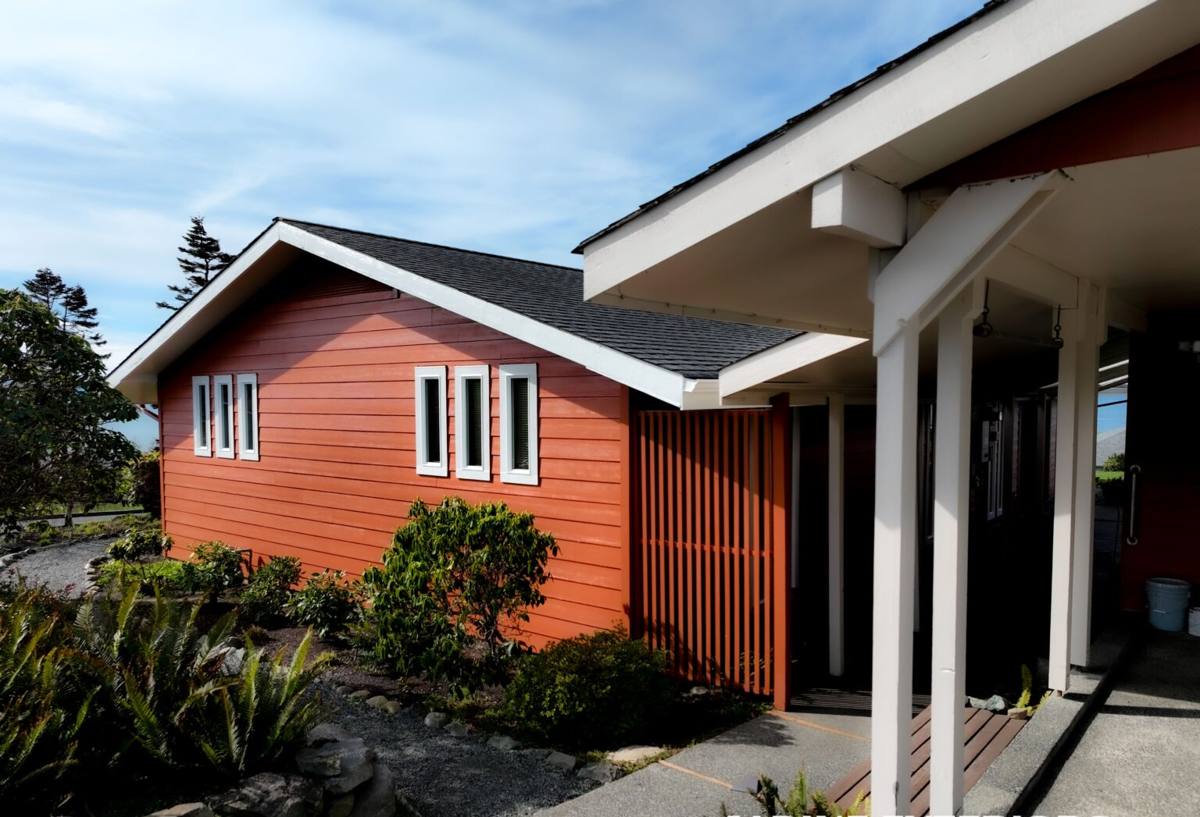
What Birchwood's Climate Actually Does to Windows
Salt Air
Proximity to the water means airborne salt settles on everything, including window frames and hardware. Over years, salt exposure accelerates corrosion on lower-grade metal components — hinges, cranks, and cheap aluminum cladding — and it can degrade certain sealants and finishes faster than manufacturers' standard warranty testing accounts for. It's not dramatic, it's cumulative, and it shows up as sticking hardware, pitted finishes, and seals that give out earlier than they should.
Driving Rain
Wind-driven rain doesn't just hit a window straight on — it gets pushed sideways and upward into gaps that would never see water in a calmer climate. This is why flashing details and the water management plan around a window matter as much as the window unit itself. A well-built window installed with sloppy flashing will still leak. A modest window installed with correct flashing, house wrap integration, and sill pan drainage will hold up.
Long Moss Season
Extended damp periods mean moss and algae get a foothold on any surface that stays wet — including window sills, trim, and the wood or composite materials around older window openings. Trapped moisture behind trim or under failed caulk is one of the more common causes of hidden rot we find when we open up an older window opening in this area.
What a Correct Window Job Involves Here
Replacing a window is more than pulling the old unit and dropping in a new one. In a climate like ours, the details around the window matter at least as much as the window itself.
- Inspecting the existing opening for hidden water damage or rot before anything new goes in
- Installing or repairing a proper sloped sill pan so any water that gets past the glazing drains outward, not into the wall
- Integrating new flashing correctly with the existing house wrap or weather-resistant barrier — shingle-style, so water always sheds downward and outward
- Using sealants and backer rod rated for sustained UV and moisture exposure, not just interior-grade caulk
- Selecting frame materials and hardware finishes that hold up to salt exposure rather than corroding within a few seasons
- Confirming the unit is shimmed, leveled, and fastened per manufacturer spec so the frame doesn't rack and lose its seal over time
Skip any one of these steps and you can end up with a window that looks fine and performs poorly — condensation between panes, drafts, or worse, moisture working its way into the wall cavity where you won't see it until there's a real problem.
Comparing Window Options for a Coastal, Wet Climate
| Frame Material | Performance in Salt Air / Rain | Maintenance | Typical Trade-Off |
|---|---|---|---|
| Vinyl | Good — won't corrode, handles moisture well | Low | Fewer color/finish options; frames can flex on very large units |
| Fiberglass | Very good — stable, resists corrosion and expansion | Low to moderate | Higher upfront cost than vinyl |
| Aluminum-clad wood | Depends heavily on clad quality and joint sealing | Moderate — wood interior needs monitoring | Better look/feel, but more installation-sensitive in driving rain |
| Bare aluminum | Poor near salt air without upgraded finish | High | We generally steer clients away from this in Birchwood specifically |
We don't push one brand or material on every job — the right call depends on your home's exposure, budget, and how the existing openings are built. What we do insist on is a frame and glazing package that's honestly rated for coastal, high-moisture use, with a warranty structure that actually covers seal failure and not just glass breakage.
Glass Packages Worth Asking About
For this climate, double-pane with a low-E coating and argon fill is the practical baseline — it cuts heat loss and reduces condensation risk on cold, damp mornings. Triple-pane adds further insulation value and can help with sound and comfort near busier roads, but it's a bigger cost jump that makes more sense on north- or west-facing exposures that take the worst of the weather. We'll walk through which openings in your home actually benefit from the upgrade rather than selling it across the board.
Signs Your Windows Need Attention
- Fogging or moisture trapped between panes — the seal has already failed
- Soft or discolored trim around the window, a common early sign of water intrusion
- Persistent drafts even with the window latched and locked
- Hardware that's stiff, corroded, or won't latch fully — often accelerated by salt exposure
- Visible moss or algae buildup on sills that never fully dries out between rains
- Noticeably higher heating costs compared to similar-sized homes nearby
Any one of these on its own isn't necessarily urgent. Several at once, especially on the side of the house that faces prevailing wind and rain, usually means it's worth a real inspection rather than a patch job.
Our Process for a Birchwood Window Job
1. On-Site Assessment
We look at the actual openings, not just the glass — checking for existing water damage, how the home is oriented to weather, and what's realistic for your budget and timeline.
2. Straight Recommendation
You get an honest read on which openings need full replacement, which could get by with repair or re-sealing, and what frame/glass combination actually fits your exposure — no upsell to the most expensive package by default.
3. Precise Measurement and Ordering
Windows are ordered to the actual opening, not a rough estimate, which avoids the gap-filling and improvised flashing that causes leaks down the road.
4. Installation with Full Flashing Detail
Old units come out, the opening gets inspected and repaired if needed, and the new window goes in with correct sill pan, flashing, and sealant work — the part of the job that determines whether it holds up through the next decade of driving rain.
5. Cleanup and Walkthrough
We clean up the work area and walk you through the new windows — how they operate, what maintenance (if any) they'll need, and what the warranty actually covers.
What Drives the Cost
| Factor | Why It Matters |
|---|---|
| Frame material | Vinyl is typically the most budget-friendly; fiberglass and clad-wood cost more upfront |
| Number and size of openings | Larger picture windows and multi-unit combinations cost more than standard single units |
| Condition of existing openings | Hidden rot or damaged framing found during removal adds repair time and cost |
| Glass package | Double-pane low-E is the baseline; triple-pane or specialty coatings add cost |
| Access and site conditions | Second-story or hard-to-reach openings take more labor time |
We give a written, itemized estimate before any work starts so there's no guessing about what you're paying for.
Why It Matters That We Already Work in Birchwood
A crew that regularly works this specific area already knows which exposures in Birchwood take the worst of the wind-driven rain, how salt air tends to affect hardware and finishes over time, and how the extended moss season shows up as hidden moisture problems around older window openings. That's not something you can fully compensate for with a generic install method built for a drier or more sheltered climate. It also means faster response if a warranty issue or unexpected weather event comes up — we're not driving in from another region to take a look.
What to Check Before Hiring Any Window Contractor
- Do they inspect the full opening, not just measure for the glass unit?
- Can they explain their flashing and sill pan approach in plain language?
- Do they offer frame materials suited to coastal, high-moisture exposure — not just whatever's cheapest?
- Is the warranty clear about what's covered — seal failure, labor, glass — and for how long?
- Do they have experience specifically in Whatcom County's coastal conditions, not just general window installation?
- Will they give you a written estimate before starting work?
If your Birchwood home has drafty, foggy, or aging windows, or you're planning ahead before the next wet season sets in, we're happy to take a look and give you a straight, no-pressure estimate. Use the form below to get started.