 Whatcom County
 Why Sehome Homes Need Windows Built for This Climate
Sehome sits close enough to Bellingham Bay that salt-laden air is a daily fact of life, not an occasional nuisance. Add Whatcom County's long wet season, driving rain off the water, and months of low sun angle that keep north- and west-facing walls damp, and you've got a climate that's genuinely hard on windows. It's not dramatic weather — no hurricanes, no hail the size of golf balls — but it's relentless, and relentless is what wears out cheap materials and sloppy installs.
Older homes in this neighborhood, and the housing stock in Sehome runs from early-1900s craftsman-era to mid-century to newer infill, tend to have windows that were never sealed or flashed to modern standards. Add a few decades of moss growth creeping under trim, freeze-thaw cycling in aluminum frames, and salt corrosion on hardware, and you end up with windows that fog, stick, or leak long before they should.
A correct custom window job in this part of Whatcom County isn't just picking a nice-looking unit. It's matching frame material, glazing, and installation detail to what this specific climate throws at a house.
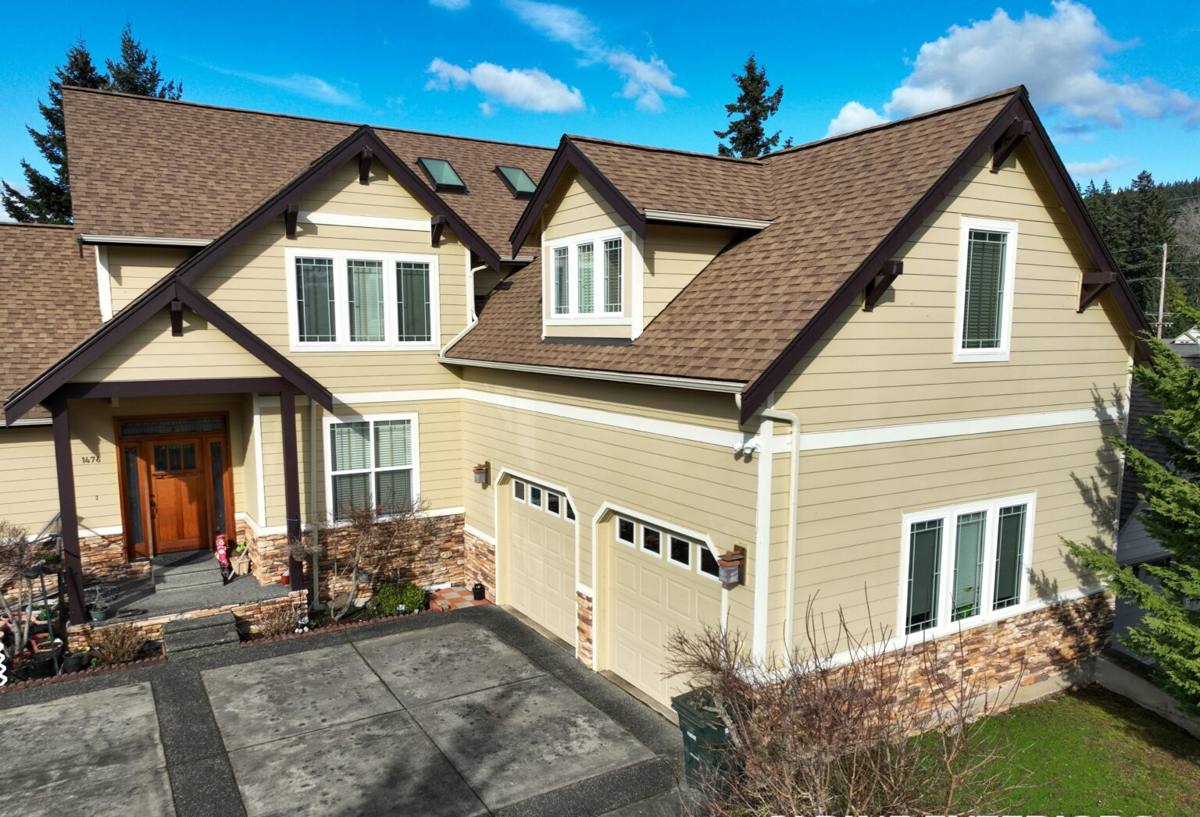
What "Custom" Actually Means Here
Custom windows aren't necessarily fancy shapes or oversized glass, though we do those too. In most Sehome projects, "custom" simply means built-to-opening: exact dimensions for a house that was framed before standardized window sizes existed, or that's settled slightly over the decades. Off-the-shelf replacement sizes often force a contractor to build out or shim an opening, which creates gaps that are hard to seal properly — exactly the kind of gap that lets driving rain find its way into wall cavities here.
Common reasons Sehome homeowners go custom
- Original openings are out of square or non-standard size (common in older Sehome homes)
- Replacing a single failed unit without re-siding the whole wall
- Matching grid pattern, trim profile, or sightlines to the rest of the house
- Upgrading frame material away from something that's corroding or rotting
- Adding or resizing an opening as part of a remodel
Frame Material: What Holds Up in Salt Air and Wet Winters
This is the decision that matters most for longevity here, and it's where we're honest about trade-offs rather than sales pitches.
Vinyl
Good moisture resistance, no corrosion risk from salt air, and reasonable cost. The trade-off is that vinyl frames can flex over very large spans and the welded corners are only as good as the installer's technique. For standard-size window openings in Sehome, vinyl is a solid, low-maintenance choice.
Fiberglass
Handles the wet-dry, freeze-thaw cycling of this climate about as well as any material available, with minimal expansion and contraction. It costs more up front. We recommend it most often for west- and north-facing exposures that catch the worst of the driving rain, or for larger custom openings where dimensional stability matters more.
Wood and wood-clad
Beautiful, and often the right call for a historic-character home where sightlines matter. But wood needs a maintenance commitment in this climate — regular repainting or resealing, especially on exposures that stay damp under moss and shade. We'll install wood-clad units, but we tell every customer upfront what the maintenance schedule looks like so there are no surprises five years in.
Aluminum
We don't recommend bare aluminum frames for this area. Aluminum conducts cold and can corrode with prolonged salt-air exposure, and it's a poor thermal performer in a climate where you're heating a home most of the year. If a home has old aluminum-frame windows, replacement is usually a real upgrade in comfort and energy performance, not just a cosmetic one.
| Frame Material | Salt Air Resistance | Maintenance | Best Use in Sehome |
|---|---|---|---|
| Fiberglass | Excellent | Low | Exposed, rain-facing walls |
| Vinyl | Very good | Low | Standard replacement, most openings |
| Wood-clad | Good (exterior clad) | Moderate to high | Historic-character homes |
| Aluminum | Poor over time | Moderate | Not recommended for this climate |
Glazing and Weatherproofing Details That Actually Matter
The frame gets most of the attention, but the glazing package and the install detail around the frame are what actually keep water and cold air out.
Glazing
Double-pane, low-E glass is the baseline for this climate — it cuts heat loss during the long heating season and reduces condensation risk, which matters when a house sits under tree cover and stays damp much of the year. Argon-filled units add a modest performance bump for a modest cost increase. Triple-pane is worth discussing for north-facing rooms or homes right along the water where wind-driven cold is a bigger factor, but it's not always necessary and we'll tell you honestly when it isn't.
Flashing and sealing
This is where most window failures actually start, not in the glass or frame. A window can be top-quality and still leak if the flashing isn't lapped correctly with the house wrap, if sealant is used in place of proper flashing, or if the sill pan doesn't direct water back out. In a climate with this much sustained rain, we treat flashing detail as non-negotiable, not an upsell.
Trim and moss management
Wood trim around window openings is a common spot for moss and moisture to collect in shaded parts of Sehome, especially on north sides and under tree cover. We detail trim with drainage in mind and use materials that don't give moss an easy foothold, since trapped moisture behind trim is a slow, quiet way for rot to start.
Our Process for a Sehome Window Job
- On-site assessment — we look at existing frame condition, flashing, signs of past water intrusion, and how each opening is exposed to wind and rain.
- Measure and material recommendation — exact opening dimensions, honest frame and glazing recommendation based on exposure, not a one-size pitch.
- Removal and inspection — once old windows come out, we check the framing and sheathing underneath for rot before anything new goes in. This is the point where hidden problems get caught, not hidden.
- Install with proper flashing sequence — sill pan, side flashing, head flashing, integrated with the house wrap or siding system correctly.
- Seal, trim, and finish — interior and exterior trim work matched to the house, final sealant details checked.
- Walkthrough — we show you the finished work and explain what maintenance, if any, the frame material needs going forward.
Checklist: what a correct custom window install includes
- Exact-fit sizing for the actual opening, not a nearest-standard-size compromise
- Frame material matched to exposure (rain-facing walls get extra scrutiny)
- Sill pan flashing installed before the window goes in, not caulked in as an afterthought
- Sheathing and framing checked for hidden rot during removal
- Low-E glazing appropriate to the room's orientation
- Trim detailed to shed water, not trap it
- Manufacturer warranty registered and explained to the homeowner
Cost Factors for Custom Windows in Sehome
We won't quote a number here because every job is different, but these are the factors that actually move the price, in roughly the order they matter:
| Factor | Why It Affects Cost |
|---|---|
| Opening size and shape | Non-standard or oversized openings require true custom manufacturing |
| Frame material | Fiberglass and wood-clad cost more than vinyl |
| Number of windows | Per-unit cost drops with larger multi-window jobs |
| Existing damage | Rotted framing or sheathing found during removal adds repair scope |
| Access and story height | Second-story or hard-to-access windows take more labor |
| Trim and siding tie-in | Matching existing trim profiles or siding adds finish work |
Why Local Experience in Sehome Matters
A contractor who's worked in Sehome specifically knows things a general crew doesn't: which exposures in the neighborhood take the worst of the wind off the bay, how the older housing stock here was typically framed, and where moss and trapped moisture tend to show up first. That's not marketing — it's the difference between a flashing detail that's technically correct on paper and one that actually works for this neighborhood's specific mix of age, exposure, and weather.
It also means less guesswork on your project. We're not learning Whatcom County's rain patterns or the quirks of Sehome's older homes on your dime — we've already seen how these windows fail here and we build around it from day one.
Signs Your Sehome Home Needs New Windows Now
- Visible condensation or fogging between panes (seal failure)
- Drafts you can feel near the frame on windy, rainy days
- Wood trim that's soft, discolored, or holding moss at the base
- Windows that are difficult to open, close, or lock
- Visible daylight or gaps around the frame from outside
- Rising energy bills without another clear explanation
If you're seeing any of these in a Sehome home, it's worth having someone look before the next wet season, not after.
If you'd like a straightforward look at your windows, we offer a free, no-pressure estimate — walk the house with us, get an honest read on what's needed and what isn't, no obligation. The form below gets you on our schedule.