 Whatcom County
 Why Ferndale Siding Takes a Different Approach
Ferndale sits close enough to Bellingham Bay and the Strait of Georgia that salt-laden air is part of daily life for a lot of homes here, even ones set back from the water. Add in Whatcom County's long, wet winters and the shaded, slow-drying north and west walls so common on local lots, and you've got a climate that's genuinely hard on exterior siding. Salt air accelerates corrosion on fasteners and trim. Driving rain off Puget Sound weather systems pushes moisture sideways into seams and laps that a drier climate would never test. And the region's long moss season means anything that holds surface moisture becomes a growth surface for algae and moss within a couple of years, not a couple of decades.
This isn't a page about siding in general. It's about what a correct James Hardie install looks like specifically for a Ferndale home, why we install only James Hardie fiber cement, and what our process looks like from first walk-around to final cleanup.
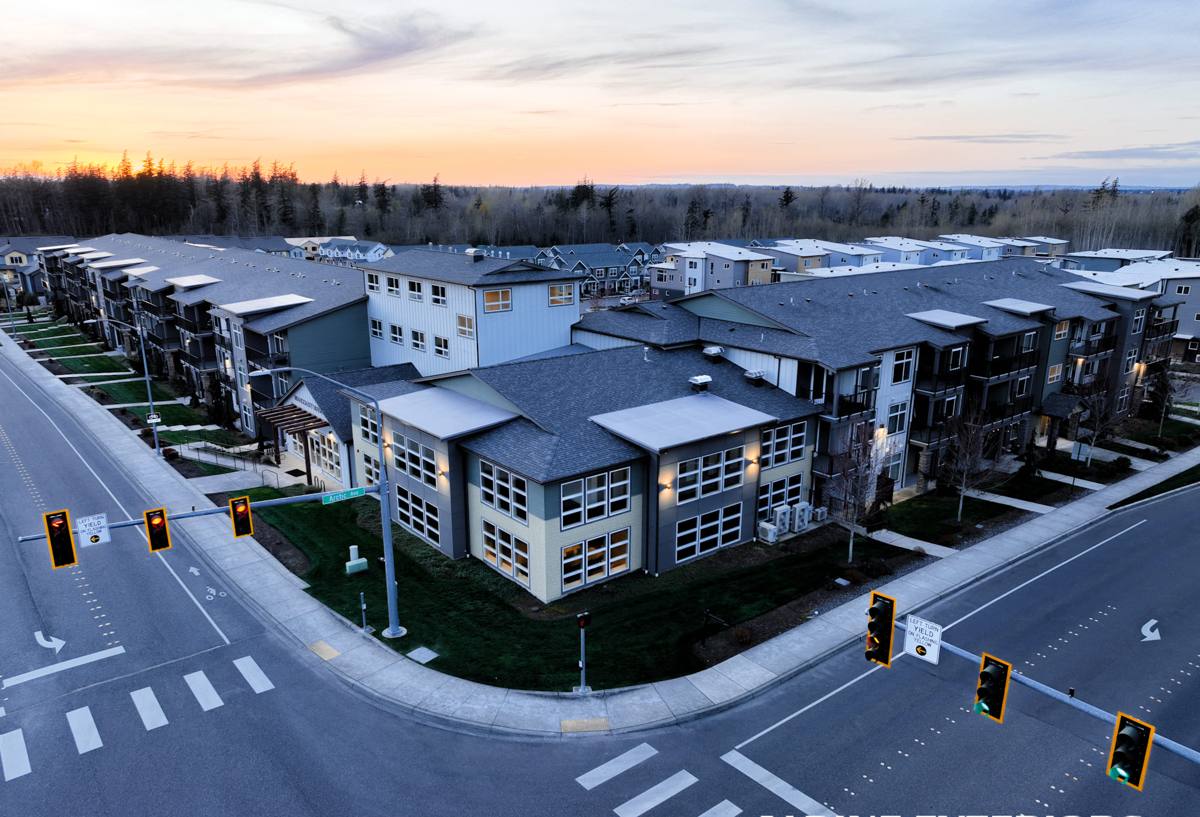
What Ferndale's Climate Actually Does to Siding
Salt Air and Metal Fatigue
Salt air doesn't just affect homes right on the waterfront. Prevailing winds carry fine salt particles well inland, and over years that accelerates rust on exposed fasteners, corrodes cheap trim flashing, and degrades finishes that weren't engineered to handle it. Siding systems with unprotected metal components or coatings that aren't rated for coastal exposure show pitting and staining faster here than they would twenty miles inland.
Driving Rain and Wind-Driven Moisture
Whatcom County storms frequently come with real wind behind the rain, which means water doesn't just run down a wall — it gets pushed into every horizontal lap, seam, and unsealed joint. Siding that relies on face-sealing (caulk alone) rather than proper water-shedding lap geometry and a functioning drainage plane behind it will eventually let moisture in, and once it's in, Whatcom County's cool, damp air means wall assemblies dry out slowly.
Moss and Algae Growth
Shaded elevations, gutters that overflow onto siding, and long stretches of overcast, humid weather all add up to a genuine moss and algae problem on the wrong siding material. Once a surface holds a thin film of moisture for extended periods, spores take hold. Some siding materials and cheap paint jobs give algae something to grip onto; others resist it far better.
Why We Install Only James Hardie Fiber Cement
We don't install vinyl, LP SmartSide, Cemplank, Allura, primed spruce, or cedar. That's not marketing — it's a standard we hold because of what we've seen these products do (or fail to do) in exactly this climate. Vinyl expands and contracts with temperature swings and can warp or crack in cold snaps. Wood-based and OSB-core products are more vulnerable to swelling and rot if moisture gets behind them, which is a real risk given how much wind-driven rain this area sees. Cedar looks great on day one but demands ongoing refinishing to hold up against moss and moisture — a maintenance burden most homeowners underestimate.
James Hardie fiber cement is engineered from cement, sand, and cellulose fiber. It doesn't rot, it isn't a food source for insects, and it's non-combustible — a real advantage during wildfire smoke season and for insurance considerations. Hardie's ColorPlus factory finish is baked on under controlled conditions rather than field-painted, which gives Ferndale homes a finish that resists fading and holds up against the region's damp, low-light climate far better than a job-site paint job.
The Hardie Product Lines That Make Sense for Ferndale
James Hardie engineers its siding by climate zone (HZ5 is the cold/wet zone that covers Whatcom County), which matters more than most homeowners realize — the product formulation itself is different than what gets shipped to Arizona or Florida. For Ferndale homes, we typically work with:
- HardiePlank lap siding — the most common choice, available in several exposure widths and textures (smooth, cedarmill), installed as horizontal laps that shed water correctly when done to spec.
- HardiePanel vertical siding — often used for accent walls, gables, or a modern look, paired with battens.
- HardieTrim — matched trim boards for corners, window and door casings, and fascia that resist the same moisture and salt exposure as the field siding.
- HardieSoffit — pre-vented or non-vented panels for eaves, which matter a lot here given how much moss and moisture pressure builds up under overhangs that stay shaded most of the year.
Color selection matters too. ColorPlus finishes come in a range that includes darker, richer tones that hold up visually in the Pacific Northwest's diffuse light better than they would in high-UV climates, since fading pressure here is lower but moisture and mildew staining pressure is higher.
What a Correct Installation Actually Involves
Fiber cement siding is only as good as the install behind it. A rushed or generic crew can put Hardie boards on a wall and still leave a house vulnerable to the exact problems this climate causes. Here's what we consider non-negotiable on every Ferndale project:
- A continuous, correctly lapped water-resistive barrier behind the siding — not just tar paper stapled up quickly.
- Proper flashing at every window, door, and roof-to-wall intersection, since these are the spots where wind-driven rain finds its way in first.
- Correct minimum clearances between the bottom of the siding and grade, decks, roofing, and other hard surfaces, so splash-back moisture and standing snow or debris don't sit against the board.
- Manufacturer-specified fastener spacing and fastener type — stainless or hot-dip galvanized in coastal-influenced areas, not standard-coat fasteners that will streak and corrode.
- Correct gapping and caulking at butt joints, using sealants rated for the exposure rather than whatever's on the truck.
- Field-cut edges primed or sealed per Hardie's installation instructions, since a raw cut edge left exposed is one of the fastest ways moisture gets into the board itself.
Skipping any one of these doesn't show up as a problem in year one. It shows up in year five or eight, as staining, soft trim, or a warranty claim that gets denied because the install didn't follow spec.
Our Process, Start to Finish
1. Walk-Around and Assessment
We start by looking at your home's actual exposure — which walls take the worst of the weather off the water, where moss and staining are already showing up, where past caulking or trim repairs suggest a moisture history. This tells us where extra flashing detail or drainage attention is needed, not just where old siding needs to come off.
2. Tear-Off and Sheathing Check
Once old siding is off, we inspect the sheathing and framing underneath for any rot or moisture damage before anything new goes up. Covering a moisture problem with new siding doesn't fix it — it hides it.
3. Water-Resistive Barrier and Flashing
We install or repair the drainage plane, then flash every penetration and transition correctly. This step is where most of the long-term performance of the siding job actually gets decided.
4. Hardie Installation to Spec
Boards go up per James Hardie's published fastening, gapping, and clearance requirements, using corrosion-resistant fasteners appropriate for a salt-air-influenced area.
5. Trim, Caulk, and Final Detailing
Trim, corners, and joints get sealed with the right products, and all cut edges are treated so the finished job resists moisture intrusion from day one.
6. Walkthrough and Cleanup
We walk the finished job with you, and the site gets cleaned of debris and old material before we consider the project done.
Cost Factors for a Ferndale Hardie Project
Every home is different, but these are the main variables that move the price on a real estimate:
| Factor | Why It Matters |
|---|---|
| Home size and wall complexity | More corners, gables, and dormers mean more cutting, trim, and labor time. |
| Condition of existing sheathing | Rot or moisture damage found during tear-off adds repair scope before new siding goes up. |
| Siding profile and finish | Lap width, texture, and ColorPlus color selection affect material cost. |
| Trim and accent scope | Vertical panel accents, extra trim detail, or soffit replacement add to the total. |
| Access and site conditions | Steep lots, limited staging area, or multi-story sections affect labor and equipment needs. |
We give a written, itemized estimate after the walk-around — not a ballpark over the phone — because the variables above genuinely change the number.
Signs Your Ferndale Home May Need New Siding Soon
- Visible moss or persistent green staining that returns shortly after cleaning
- Soft or spongy spots when you press on siding near the bottom edge or around windows
- Paint that's peeling or bubbling rather than just fading
- Visible gaps, warping, or cracked boards, especially on walls facing prevailing weather
- Rusted or streaking fasteners
- Rising energy bills that suggest the wall assembly isn't performing the way it should
Why a Local Crew Matters
A crew that already works in Whatcom County knows which walls on a typical Ferndale lot take the worst weather, understands the region's building codes and inspection expectations, and has already seen how generic installation details fail here. That's different from a crew passing through who installs Hardie the same way regardless of climate zone. Correct flashing details, fastener selection, and drainage planning aren't optional extras in this climate — they're what determines whether the siding actually performs for its expected lifespan.
Maintenance and What to Expect Long-Term
One of the real advantages of James Hardie is how little ongoing maintenance it demands compared to wood or vinyl. It doesn't need repainting on the same cycle as wood siding, and it won't warp or crack from freeze-thaw cycles the way vinyl can. That said, no siding is maintenance-free in this climate — periodic gentle washing to keep moss and algae from establishing, keeping gutters clear so water doesn't sheet down the wall, and prompt attention to any caulk or trim wear will keep a correctly installed Hardie job performing for decades. James Hardie backs its products with a strong transferable limited warranty when installation follows their specifications, which is one more reason correct installation isn't optional.
If your Ferndale home's siding is showing moss, staining, soft spots, or you're simply planning ahead for a replacement, we're happy to walk the property with you and put together a clear, honest estimate — no pressure, no upsell to a product we don't stand behind. The form below gets you started.