 Whatcom County
 Metal Roofing for Nooksack Homes
Nooksack sits in one of the wetter corners of Whatcom County, tucked against the foothills with the Nooksack River nearby and marine air pushing in off Bellingham Bay most of the year. That combination means roofs here deal with a lot: long stretches of driving rain, humid air that never really dries out between storms, and shade pockets from surrounding trees and terrain that keep moss growing on anything that gives it a foothold. A metal roof, installed correctly for this specific environment, handles all three of those problems better than most alternatives — but "installed correctly" is doing a lot of work in that sentence, and it's where a lot of metal roofing jobs in this area fall short.
This page covers what a metal roof actually needs to do in Nooksack's climate, what a proper installation involves, and how we approach the job when we're on your roof.
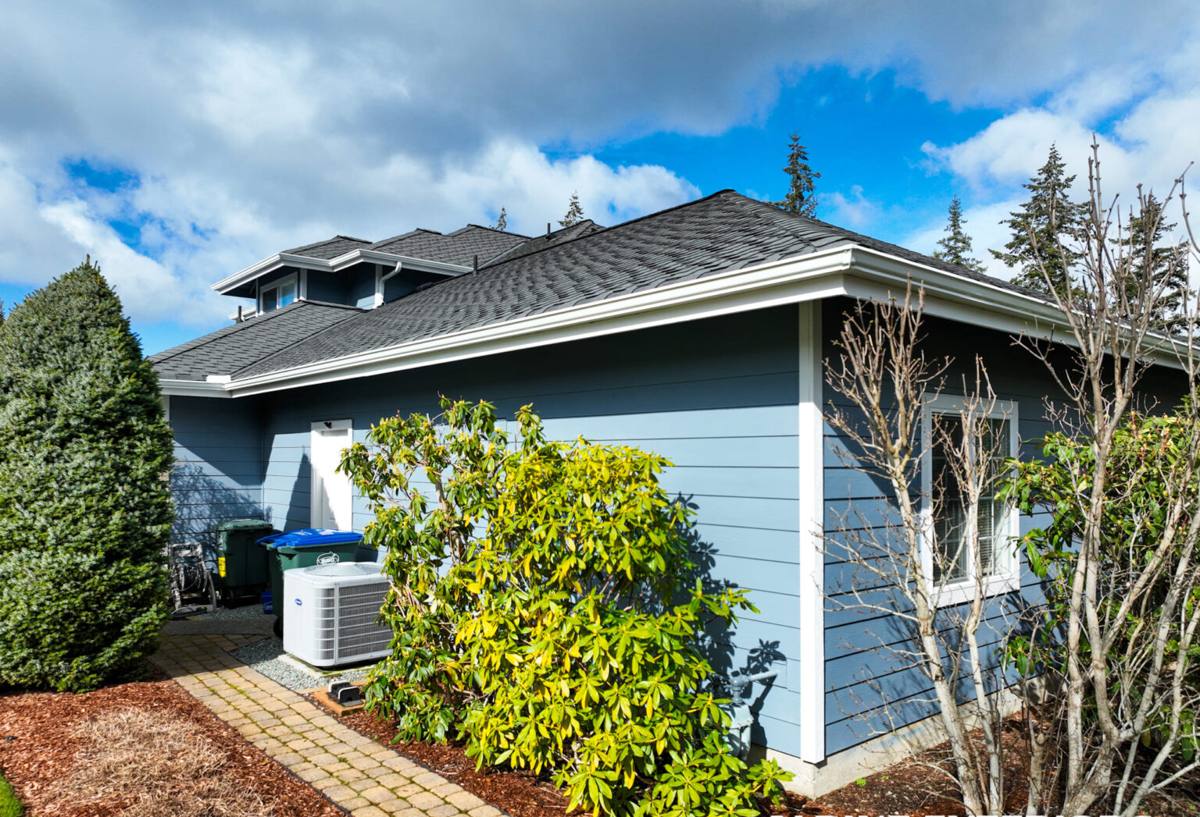
What Nooksack's Climate Actually Does to a Roof
Salt Air and Corrosion
Whatcom County isn't right on the open ocean, but Bellingham Bay and the Salish Sound send salt-laden air inland regularly, and Nooksack gets its share of it, especially with prevailing westerly winds. Salt air accelerates corrosion on any exposed metal fasteners, flashing, and panel edges that aren't properly coated or protected. Over years, that's the difference between a metal roof that still looks sharp at year twenty and one that's showing rust streaks at year eight.
Driving Rain
Rain in this part of the county rarely falls straight down. Wind-driven rain gets pushed sideways under eaves, into valleys, and around penetrations like vents and chimneys. A roof that's fine in a light, calm rain can still leak in a wind-driven storm if the underlayment, flashing details, and panel overlaps aren't built for it.
Moss Season
Between the shade from surrounding trees, the humidity, and the sheer number of wet months, moss has a long growing season here — often close to year-round on north-facing slopes or shaded sections. Moss holds moisture against roofing material, works into seams and granules, and on some materials it actively shortens the roof's life. Metal roofing, especially standing seam with a smooth, low-friction surface, gives moss far less to grab onto than a rougher roofing material, which is one of the bigger reasons homeowners here look at metal in the first place.
Why Metal Roofing Makes Sense Here
- Moss resistance: Smooth metal panels shed water fast and don't hold organic debris the way textured surfaces do, so moss has a harder time establishing itself.
- Water shedding at steep and shallow pitches: Properly lapped panels and sealed seams handle wind-driven rain better than materials that rely on granule friction alone.
- Longevity against the freeze-thaw and wet-dry cycling typical of a Whatcom County winter and spring.
- Lower long-term maintenance once it's installed right — no periodic moss treatments or granule loss to manage.
- Fire and ember resistance, which matters more each year as regional wildfire smoke and dry spells become part of the summer pattern, even here.
None of that is automatic, though. Metal roofing only delivers on those advantages if the underlayment, fastening pattern, flashing, and panel seams are done to spec for this climate — not just "installed" in a generic sense.
What a Correct Metal Roof Install Involves
Underlayment
Given how much wind-driven rain and ice-dam-adjacent freeze-thaw cycling this area sees in the colder months, we don't cut corners on underlayment. A synthetic underlayment with self-adhering membrane at eaves, valleys, and penetrations gives the roof a real second line of defense if wind ever forces water past the panel seams — which happens on every roof, metal or otherwise, in a bad enough storm.
Fastening and Panel System
Standing seam systems use concealed clips rather than exposed screws, which removes the most common long-term leak and corrosion point on a metal roof: exposed fastener heads that work loose or rust out over the years. Exposed-fastener panel systems are a lower-cost option and can be appropriate for some structures, but they carry a higher maintenance burden — the washers under those screws degrade over time and need to be checked periodically, which is a real ownership cost worth knowing about upfront.
Flashing Details
Most metal roof leaks that we get called out to diagnose on older installs trace back to flashing, not the panels themselves — valleys, chimney saddles, wall transitions, and vent boots. These details need to be custom-formed and properly lapped with the panel system, not just caulked into place. Caulk is a backup, not a strategy.
Ventilation
A metal roof over a poorly ventilated attic will trap moisture underneath it, which defeats a lot of the material's natural advantage. We check ridge and soffit ventilation as part of every metal roof estimate, because in a humid climate like this one, what's happening under the panels matters as much as what's happening on top of them.
Metal Roofing Options Compared
| System | Fastening | Best For | Maintenance Note |
|---|---|---|---|
| Standing Seam | Concealed clips | Long-term, low-maintenance ownership; steeper pitches | Minimal — no exposed fasteners to fail |
| Exposed-Fastener Panel | Screws through panel face | Outbuildings, budget-conscious projects, lower-slope sections | Screw washers need periodic inspection/replacement |
| Metal Shingle/Shake Profile | Interlocking, often concealed | Homeowners wanting a traditional look with metal's durability | Moderate — more seams than standing seam |
Our Process on a Nooksack Metal Roof Job
1. On-Site Assessment
We walk the roof and the attic, not just look at it from the driveway. That includes checking existing ventilation, decking condition, and any trouble spots — valleys, chimney flashing, low-slope sections — that are common trouble areas in this climate.
2. Honest Scope and Estimate
You get a written estimate that spells out the panel system, underlayment, flashing approach, and any decking repair or ventilation work that's needed. No surprise change orders for things we could have caught during the assessment.
3. Tear-Off and Deck Inspection
Once the old roofing is off, we inspect the decking directly. Given how much moisture this area sees, catching soft or rotted decking before the new roof goes on is non-negotiable — covering it up just moves the problem underground for a few years.
4. Underlayment and Flashing First
The waterproofing layer goes on correctly before a single metal panel is installed. This is the layer that saves you if a storm ever pushes water past the panel seams.
5. Panel Installation
Panels are run, seamed, and fastened to manufacturer spec, with attention to expansion and contraction — metal roofing moves with temperature swings, and a good install accounts for that so seams don't fatigue over time.
6. Final Walkthrough
We walk the finished roof with you, cover the maintenance basics for your specific system, and make sure you know what a normal-looking metal roof versus a problem looks like going forward.
Maintenance Checklist for a Metal Roof in This Climate
- Clear debris (needles, leaves, branches) from valleys and around penetrations a couple times a year, especially after fall leaf-drop.
- Keep gutters clear so water isn't backing up under eave flashing during heavy rain.
- Trim back overhanging branches where practical to reduce shade and organic debris — both feed moss growth.
- Do a visual check after major windstorms for lifted flashing or displaced panels.
- If you have an exposed-fastener system, have the fastener washers inspected every few years.
- Don't pressure-wash a metal roof — it can strip protective coatings and force water under laps.
Why Hiring Local Experience Matters
A metal roof installed by a crew that's never dealt with Whatcom County's wind-driven rain patterns or its long moss season can still look fine the day it's finished. The problems show up two, five, ten years later — in the flashing detail that wasn't built for sideways rain, or the fastening pattern that wasn't chosen with this area's freeze-thaw cycling in mind. We work roofs in Nooksack and across Whatcom County regularly enough to know which details actually matter here versus which ones are generic manufacturer boilerplate that doesn't account for local conditions.
That local familiarity also means we're not guessing at code requirements, typical decking conditions in older Nooksack-area homes, or how a given roof pitch and orientation is going to perform against prevailing wind and rain direction on your specific property.
Get a Straight Answer on Your Roof
If you're weighing a metal roof for a home in Nooksack or elsewhere in Whatcom County, we're glad to come take a look and give you a clear, no-pressure estimate — what your roof actually needs, what it'll cost, and what the trade-offs are between systems. Use the form below to get started.