 Whatcom County
 Birchwood's Roofs Work Harder Than Most
A roof in Birchwood doesn't get an easy life. Sitting in Whatcom County's marine climate means homes here deal with a combination most drier regions never see at the same time: salt-laden air rolling in off the water, long stretches of driving rain that comes in sideways as often as straight down, and a moss season that can run eight months or longer if a roof isn't maintained. Any one of those on its own is manageable. Together, they shorten the useful life of a poorly installed or poorly maintained asphalt shingle roof by years.
This page is about one thing specifically: asphalt shingle roofing done right for a Birchwood home. Not a general overview of roofing services, not a sales pitch for the most expensive shingle line we carry — just a straight explanation of what this climate demands, what a correct installation looks like, and how we approach the work.
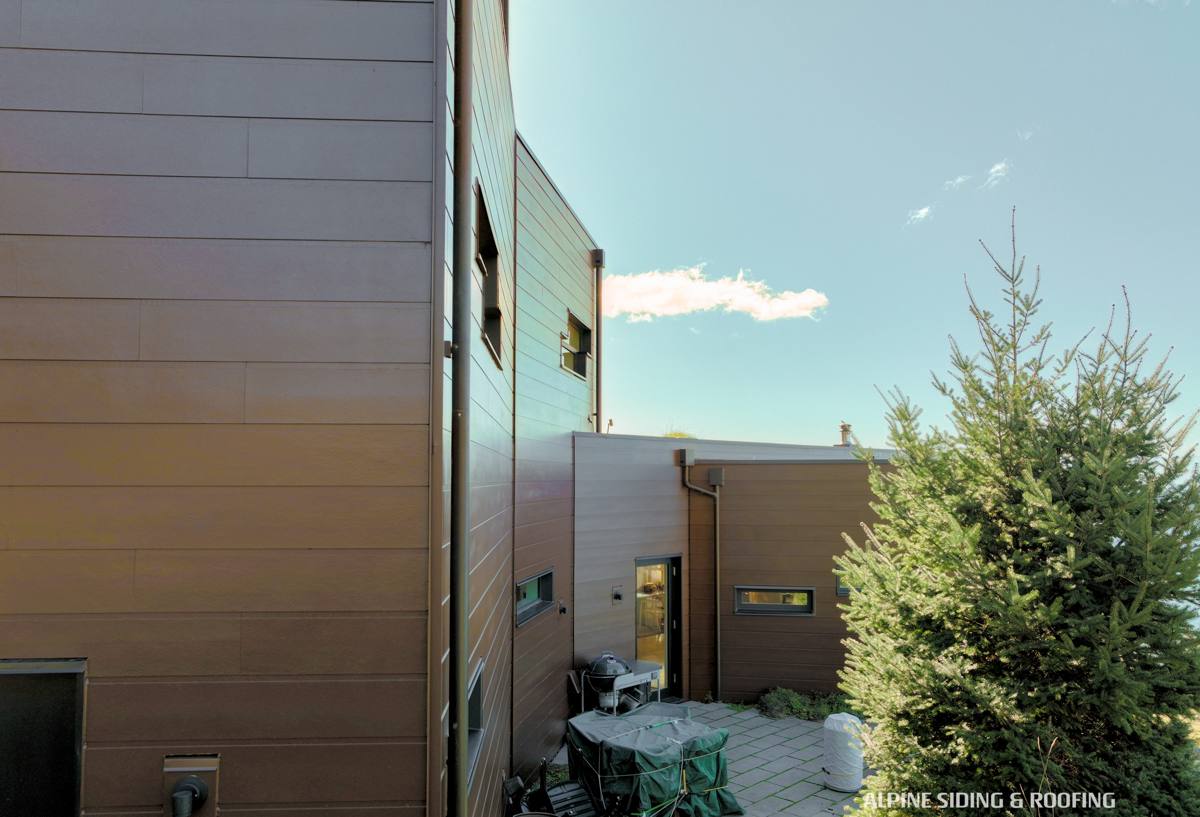
What Whatcom County's Climate Actually Does to a Shingle Roof
Salt Air and Metal Fatigue
Homes closer to the water take on airborne salt that settles on every exposed surface, including roof flashing, nail heads, and vent stacks. Over time, unprotected or poorly coated metal components corrode faster than they would inland. It's not usually the shingle itself that fails first in a salt-air environment — it's the metal flashing, fasteners, and vent boots around it. That's why the metal details on a roof matter just as much as the shingle brand.
Driving Rain and Wind-Driven Water
Whatcom County rain frequently comes with wind behind it, which pushes water sideways and uphill under shingle edges, around penetrations, and along valleys instead of letting it run straight down and off. A roof that would be watertight in a calm, straight-down rain can still leak in a Birchwood storm if the underlayment, flashing laps, and valley details weren't built for wind-driven water in the first place.
Moss Season
Cool, damp, shaded conditions for much of the year are exactly what moss needs to take hold. Once moss establishes on a shingle roof, it holds moisture against the shingle surface, works its way under tabs, and gradually lifts and degrades the granule layer that protects the shingle from UV and weather. A roof that would otherwise last two decades can lose years of life to unchecked moss growth.
What a Correct Asphalt Shingle Job Requires Here
Asphalt shingles are a proven, cost-effective roofing material — that's not in question. What matters in a climate like this is the assembly around and underneath the shingle, not just the shingle itself. A correct installation for a Birchwood home includes:
- A moisture barrier underlayment rated for high-moisture climates, not the minimum-grade felt some crews still default to
- Ice-and-water shield membrane at eaves, valleys, and around penetrations, where wind-driven rain and ice damming are most likely to find a way in
- Properly lapped and sealed valley flashing, since valleys carry the highest volume of water on any roof and are the first place a rushed installation fails
- Corrosion-resistant flashing and fasteners around chimneys, vents, and roof-to-wall transitions, given the salt-air exposure common across Whatcom County
- Balanced attic ventilation so trapped heat and moisture don't condense under the deck and accelerate rot from below, independent of what's happening on the surface
- Manufacturer-spec nailing patterns, since underdriven, overdriven, or misplaced nails are one of the most common causes of premature shingle blow-off in wind events
Skip any one of these and the shingles on top can still look fine while the roof underneath is already failing. This is the part of the job that doesn't show up in a photo but determines whether a roof lasts 15 years or 30.
Choosing the Right Shingle for a Birchwood Home
Not every asphalt shingle product is built for the same conditions. The table below reflects the honest trade-offs between the common shingle classes we install, without steering every homeowner toward the most expensive option regardless of need.
| Shingle Type | Typical Lifespan | Wind Rating | Best Fit |
|---|---|---|---|
| 3-Tab | 15-20 years | Lower | Budget-conscious projects, secondary structures |
| Architectural / Dimensional | 25-30 years | Higher | Most Birchwood homes — better wind and moisture performance for the added cost |
| Premium / Designer | 30+ years | Highest | Homes prioritizing appearance and maximum durability |
For most Birchwood properties, architectural shingles are the honest middle ground — meaningfully better wind and weather resistance than 3-tab at a cost increase that's usually justified over the life of the roof. We'll walk through the real difference for your specific roof rather than defaulting to whichever product carries the best margin.
Algae-Resistant Shingle Options
Many manufacturers now offer shingles with copper-infused or algae-resistant granules built to slow the growth of the dark streaking and moss-friendly buildup common in wet, shaded climates. In a moss-prone area like Whatcom County, this is worth discussing as part of the material selection rather than treating it as an upsell — it's a legitimate maintenance-reduction feature, not a marketing gimmick.
Moss and Algae: Prevention Built Into the Install
Moss doesn't have to be an annual battle if the roof is set up correctly from the start. A few things make a measurable difference for Birchwood homes specifically:
- Keeping overhanging tree limbs trimmed back so roof surfaces get more light and dry out faster after rain
- Installing zinc or copper strips near the ridge on shaded roof sections, which release trace metals with each rain that inhibit moss and algae growth over time
- Choosing algae-resistant shingle products on north-facing or heavily shaded roof planes where moss pressure is highest
- Keeping gutters and valleys clear so standing water and trapped debris don't create the damp pockets moss needs to establish
None of this eliminates the need for periodic roof cleaning, but it significantly reduces how often it's needed and how aggressive that cleaning has to be.
How Our Process Works
1. On-Site Assessment
We start with an in-person look at the existing roof — deck condition, current ventilation, flashing condition, and any signs of moisture intrusion — rather than quoting off a satellite photo or a phone description.
2. Honest Scope and Estimate
You get a written estimate that spells out the shingle product, underlayment, flashing, and ventilation work involved, so you know exactly what you're paying for and why, with no vague line items.
3. Tear-Off and Deck Inspection
Old roofing comes off down to the deck so we can check for soft spots, rot, or prior water damage before anything new goes down. Covering up a compromised deck is one of the fastest ways to shorten a new roof's lifespan.
4. Correct Installation Sequence
Deck repairs as needed, ice-and-water membrane at vulnerable areas, moisture-rated underlayment, flashing, then shingles installed to manufacturer nailing and exposure specs.
5. Cleanup and Walkthrough
Site cleanup including magnetic nail sweep, followed by a walkthrough so you can see the finished work and ask questions before we consider the job done.
Signs Your Birchwood Roof May Need Attention
Because coastal moisture and shade-driven moss growth work slowly, roof problems here often show up as gradual signs rather than sudden failures. Worth checking for:
- Granules collecting in gutters or at the base of downspouts
- Visible moss patches, especially on north-facing or shaded roof sections
- Dark streaking across shingle surfaces
- Curling, cupping, or lifted shingle edges
- Soft or spongy feeling decking near eaves or valleys
- Rust staining or corrosion around flashing and vent boots
- Daylight visible through the roof deck from inside the attic
- Water stains on interior ceilings, particularly after wind-driven storms
What Affects Roofing Cost in Birchwood
Every roof is different, so we won't put a fixed number here, but these are the main factors that move the price up or down on a typical Birchwood project:
| Factor | Why It Matters |
|---|---|
| Roof size and pitch | More surface area and steeper pitches increase material and labor time |
| Number of layers to remove | Tear-off of multiple old layers adds labor and disposal cost |
| Deck condition | Rot or soft decking found during tear-off requires repair before new roofing goes down |
| Shingle class chosen | 3-tab, architectural, and premium products carry different material costs |
| Roof complexity | Valleys, dormers, chimneys, and skylights each add flashing detail and labor |
| Ventilation upgrades | Adding or correcting attic ventilation affects both cost and long-term roof health |
Why Local Experience in Birchwood Matters
A roofing crew that regularly works in Birchwood and the surrounding Whatcom County area already knows how local wind patterns hit certain roof orientations, which neighborhoods see the heaviest moss pressure, and how salt exposure varies depending on proximity to the water. That's not something you get from a general contractor rotating through unfamiliar territory on every job. It shows up in the details — where extra ice-and-water membrane gets used, which flashing gets upgraded metal, and which roof planes get algae-resistant shingles as a matter of course rather than an afterthought.
It also matters for follow-up. A local crew is easy to reach if a question comes up six months or six years after installation, and stands behind the workmanship on a roof they can actually get back to without a long drive.
If you're weighing a repair, a full replacement, or just want an honest read on how much life is left in your current roof, we're happy to take a look. Request a free, no-pressure estimate using the form below and we'll walk your roof with you and lay out the options in plain terms.