 Whatcom County
 Decking Built for Fairhaven's Marine Climate
Fairhaven sits close enough to Bellingham Bay that salt-laden air, driving rain off the water, and long stretches of overcast, damp weather are just part of owning a home here. That combination is hard on outdoor structures in general, but it's particularly hard on decks. Wood decking in this part of Whatcom County fights a losing battle against moisture almost year-round, and even some composite products struggle if they weren't installed with this specific microclimate in mind.
A deck in Fairhaven isn't dealing with the same conditions as a deck twenty miles inland. The proximity to the water means more airborne salt, more condensation on cool mornings, and a moss and algae season that can run from early fall through late spring. Any decking project here needs to be designed around those realities from the start, not treated as a generic install.
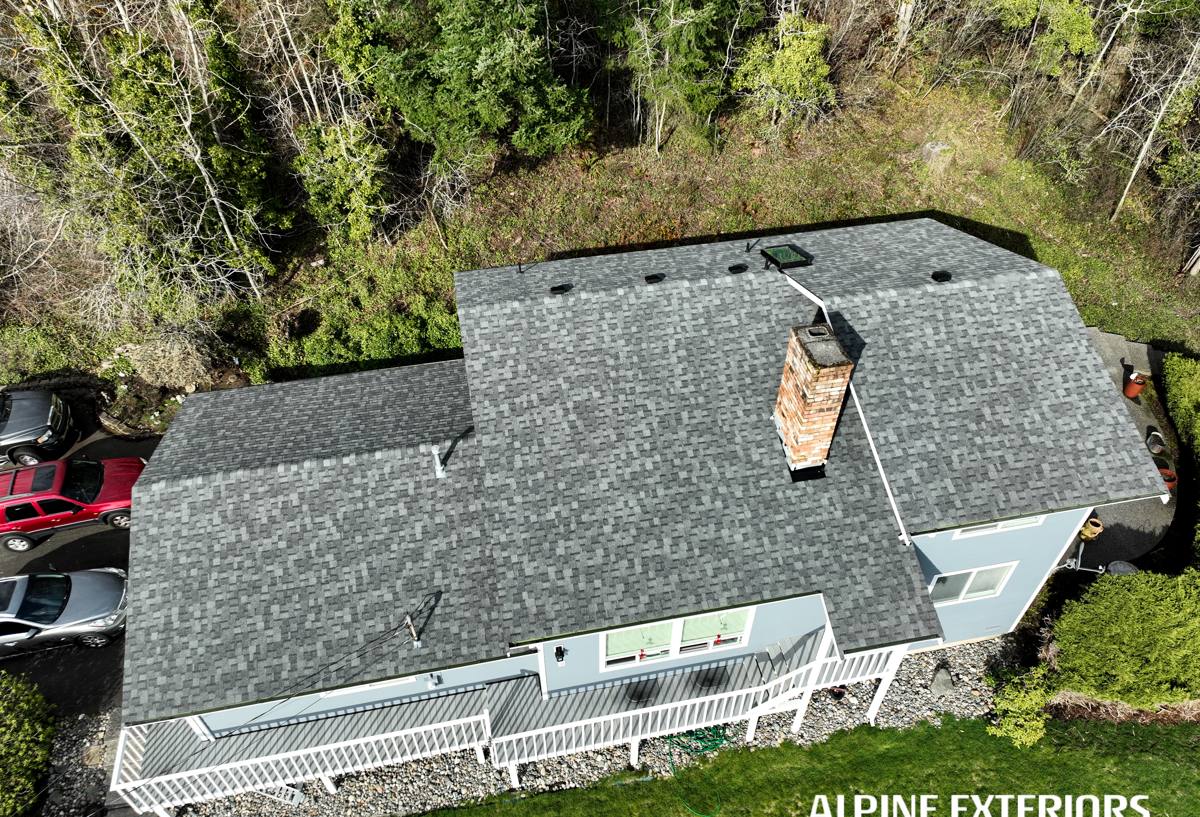
What Fairhaven's Climate Actually Does to a Deck
Salt Air and Metal Hardware
Homes near the water deal with airborne salt settling on every exposed surface, including the fasteners, brackets, and structural hardware holding a deck together. Standard hardware can corrode faster here than the same hardware would twenty minutes inland. That's a maintenance and safety issue, not just a cosmetic one, since corroded fasteners lose holding strength over time.
Driving Rain and Standing Moisture
Whatcom County gets a lot of rain, and Fairhaven's exposure to weather coming off the water means it often arrives sideways rather than straight down. That drives moisture into places a flat-on install wouldn't expect it — under railings, around post bases, into end-grain cuts that weren't sealed. Water that doesn't drain and dry quickly is what causes rot in wood-adjacent framing and mold or mildew staining on the decking surface itself.
Moss, Algae, and Reduced Sun Exposure
Many Fairhaven lots have mature tree cover or sit in the shade of neighboring homes for a good part of the day, which combined with the region's wet season means moss and algae growth is a near-constant battle on any horizontal surface. Some composite boards handle this better than others — surface texture, capstock quality, and board spacing all affect how much moss actually takes hold and how easy it is to clean off.
Why Composite Makes Sense Here
We recommend composite decking for most Fairhaven homeowners because it removes the two biggest failure points wood decking has in this climate: rot from sustained moisture exposure, and the endless cycle of sanding, staining, and sealing that wood demands just to keep up. Composite boards, properly installed, don't absorb water the way wood does, which matters enormously when a deck sits in near-constant dampness for months at a time.
That said, composite isn't a "install it and forget it" product, and we won't tell a customer that it is. It still needs the right substructure, the right ventilation underneath, and periodic cleaning to stay ahead of moss and algae. The difference is that when it's done right, composite in this environment holds up with a fraction of the upkeep wood requires.
What a Correct Composite Install Looks Like Here
Substructure and Ventilation
The framing underneath a composite deck matters as much as the boards themselves, especially in a climate this wet. We use joist tape or an equivalent moisture barrier on the tops of joists to keep water from sitting against the framing lumber, and we pay close attention to airflow underneath the deck so moisture has somewhere to go instead of getting trapped. A deck built low to the ground or against a foundation wall without adequate ventilation is one of the more common problems we find when repairing older decks in this area.
Fastener and Hardware Choices
Given the salt air exposure, we spec corrosion-resistant fasteners and structural hardware rather than standard galvanized options wherever the deck's proximity to the water calls for it. It costs a little more up front and saves the homeowner from hidden hardware failure down the line.
Board Spacing and Drainage
Correct gapping between boards allows water to drain through rather than pool on the surface, which also reduces the standing moisture that feeds moss growth. We follow manufacturer spacing specs and adjust slightly based on the specific board profile and the amount of shade and rain exposure a given deck will see.
Flashing Where the Deck Meets the House
Ledger board flashing is one of the most important — and most commonly skipped — details in deck construction. Where the deck attaches to the house, water needs to be directed away from the wall assembly, not into it. This is a place where corners are sometimes cut on older installs, and it's one of the first things we check when we inspect an existing deck.
Choosing the Right Board for a Fairhaven Property
Not every composite board performs the same way in a wet, shaded, salt-exposed environment. The main differences that matter for a Fairhaven install:
| Factor | Why It Matters Here |
|---|---|
| Capstock quality | A fully capped board resists moisture absorption and staining far better than a partially capped or uncapped board, especially under sustained damp conditions |
| Surface texture | Deeper wood-grain textures can trap moss spores; a texture with better drainage sheds moisture and cleans up more easily |
| Color | Lighter colors show moss and algae growth more visibly but also don't absorb as much heat; darker colors hide early growth longer but can highlight staining differences |
| Board profile (grooved vs. solid edge) | Grooved edges with hidden fasteners look cleaner but require careful spacing to avoid trapping water at the groove |
| Warranty structure | Warranties vary on what's covered for staining, fading, and moisture damage — worth reading the fine print before choosing based on price alone |
Our Process for a Fairhaven Composite Deck Project
- On-site assessment of the existing structure (if replacing a deck) or the site conditions (for new builds), including sun exposure, drainage patterns, and proximity to the water
- Substructure inspection or design, addressing ventilation, joist protection, and ledger flashing before any decking goes down
- Material selection walk-through, matching board type and color to the property's actual shade, moisture, and salt exposure rather than a one-size-fits-all recommendation
- Installation following manufacturer spec for fastening, spacing, and expansion gaps, plus our own hardware upgrades where salt exposure warrants it
- Final walkthrough covering how to clean the deck seasonally and what early signs of moss or moisture issues look like
Maintaining a Composite Deck in This Climate
Composite decking cuts maintenance dramatically compared to wood, but "low maintenance" isn't "no maintenance," especially with Fairhaven's moss season. A simple seasonal routine keeps a deck looking right and prevents small issues from becoming bigger ones:
- Sweep off leaves and debris regularly in fall — trapped organic matter under wet conditions is what feeds moss and algae growth
- Rinse the deck surface with a garden hose and a stiff (non-metal) bristle brush a few times through the wet season
- Use a composite-safe cleaner for moss or algae buildup rather than a pressure washer on high settings, which can damage the board surface over time
- Check railing posts and stair connections annually for any looseness, which can signal hardware corrosion starting underneath
- Keep gutters and downspouts near the deck clear so runoff isn't dumping extra water directly onto or under the decking
- Trim back overhanging branches where possible to reduce shade and speed up drying time after rain
Common Problems We See on Existing Fairhaven Decks
When we're called out to look at an older deck in this area — whether it's wood or composite — a handful of issues show up repeatedly. Substructure rot from poor ventilation is common on decks built low to the ground. Corroded hardware turns up on decks that used standard fasteners without accounting for salt exposure. Persistent moss staining is frequent on shaded decks with tight board spacing or a deep-grain texture that holds moisture. And ledger flashing problems show up more often than homeowners expect, usually as water staining on the siding or framing just below where the deck meets the house. Catching these early is far cheaper than waiting until they affect the structure.
Why Hire a Crew That Already Works Fairhaven
A lot of decking problems in this area trace back to an install that would have been fine somewhere drier or further from the water, but wasn't built for Fairhaven's specific combination of salt air, rain exposure, and shade. A crew that already works this part of Whatcom County knows to spec corrosion-resistant hardware without being asked, knows which board textures actually hold up against the local moss season, and knows where ledger flashing tends to get missed on homes in this area. That local familiarity shows up in fewer callbacks and a deck that's still performing well well after the install crew has moved on.
If you're considering composite decking for a Fairhaven property, we're happy to take a look at your site, walk through board options suited to your specific sun and moisture exposure, and give you a straightforward, no-pressure estimate. There's a form below to get that conversation started.