 Whatcom County
 Why Bellingham Homes Need Siding Built for This Climate
Bellingham sits close enough to Bellingham Bay and the Salish Sea that salt-laden air is a real factor on exterior materials, not a theoretical one. Add Whatcom County's long wet season, driving rain that comes in sideways off Puget Sound storms, and months where north-facing walls barely see direct sun, and you have a climate that is hard on siding. Moisture that doesn't dry out breeds moss, algae, and eventually rot in anything wood-based. Salt air accelerates corrosion on fasteners and finishes that aren't rated for it. None of this is unusual for homeowners here — it's just the trade-off of living somewhere this beautiful, and it's exactly why the siding choice matters more in Bellingham than it would in a dry inland climate.
James Hardie fiber cement siding was engineered around problems like these. It's not wood, so it doesn't feed the rot and moss cycle the way cedar or primed spruce does. It's not vinyl, so it doesn't warp, crack, or fade under UV and temperature swings. When it's installed correctly for our specific climate zone, it holds its look and its structural integrity far longer than the alternatives — which is why it's the only siding product we install.
What "Correct" Looks Like in a Coastal, High-Moisture Zone
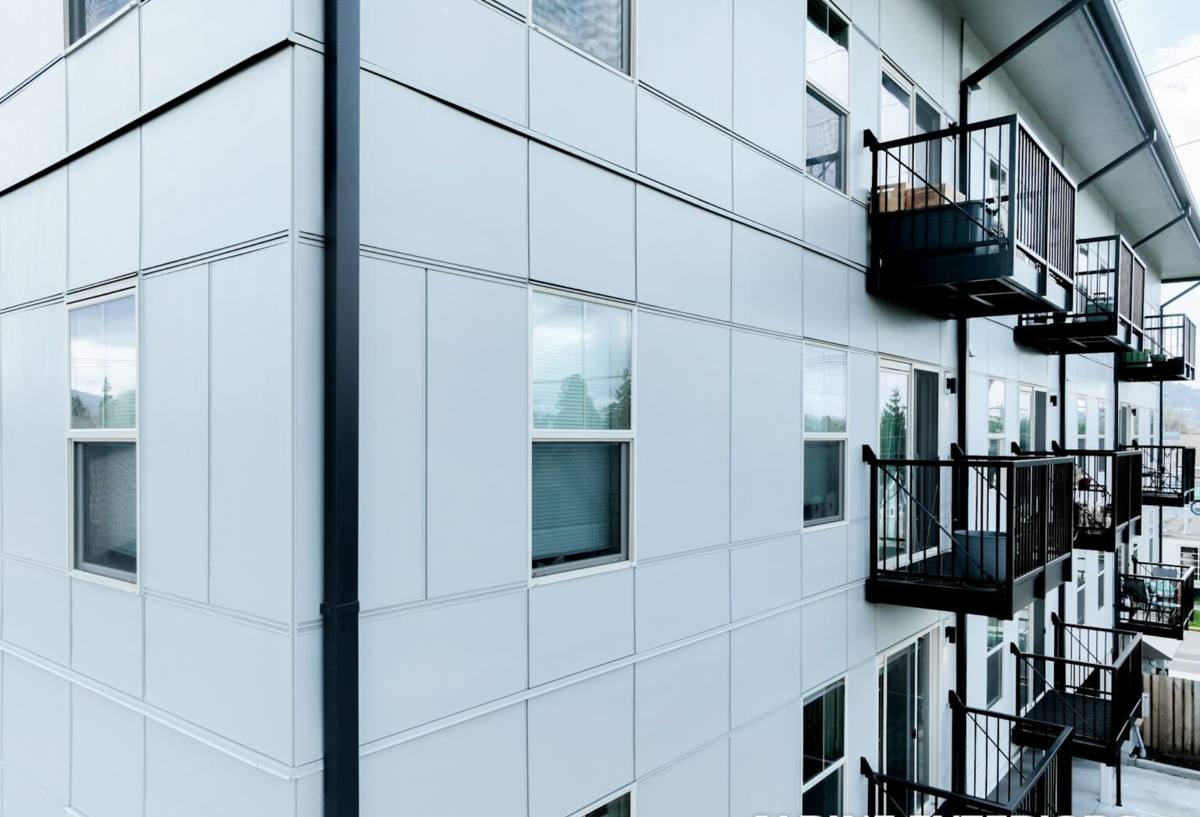
James Hardie makes siding in different formulations for different climates, and Bellingham falls into a category where moisture management has to be taken seriously at every step. A correct installation here isn't just nailing boards to a wall — it's a system.
The HZ5 Engineered-for-Climate System
Hardie's HZ5 product line is engineered for regions with more moisture exposure and freeze-thaw cycling, which fits Western Washington's coastal weather pattern better than a generic siding spec. Using the right HZ designation for our zone isn't a marketing detail — it affects how the board is formulated to resist moisture intrusion over decades of exposure.
Water Management Behind the Boards
Most siding failures in this region trace back to what's happening behind the siding, not the siding itself. A correct installation includes a properly lapped weather-resistant barrier, rainscreen or drainage gap where called for, correctly flashed windows and doors, and kick-out flashing at roof-wall intersections so water is directed away from the wall assembly instead of into it. Skip any of these and even the best siding on the market will eventually show problems.
Fastening and Clearances
Corrosion-resistant fasteners matter more near the water than they do further inland. We also hold to Hardie's minimum ground clearance and roof-line clearance specs, because tight clearances trap moisture against the bottom edge of the siding and are one of the most common causes of premature damage we see on homes that were sided without local conditions in mind.
Salt Air, Rain, and Moss: What Each One Does to a Wall
| Climate Factor | Effect on Wood or Vinyl Siding | How Correctly Installed Hardie Responds |
|---|---|---|
| Salt-laden coastal air | Corrodes fasteners and trim, accelerates finish breakdown | Fiber cement substrate is inert to salt; factory finish resists breakdown |
| Driving, wind-blown rain | Drives moisture behind laps and around poorly flashed openings | Non-combustible, moisture-resistant board holds up when the water management system behind it is done right |
| Extended moss/algae season | Wood absorbs moisture and stays damp, feeding organic growth and rot | Fiber cement doesn't wick moisture the way wood does, so growth stays a surface issue, not a structural one |
| Freeze-thaw swings | Cracks brittle or saturated materials over repeated cycles | HZ5 formulation is engineered for this type of cycling |
Why We Only Install James Hardie
We get asked from time to time about LP SmartSide, vinyl, cedar, or primed spruce, and we're upfront about why we don't install them. Each has a place in the market, but none of them line up with what we've decided a Bellingham exterior needs to hold up long-term.
- Vinyl is affordable and low-maintenance in mild climates, but it can become brittle and crack in cold snaps, and it isn't fire-resistant — a growing concern as wildfire smoke and ember exposure become more of a regional issue even west of the mountains.
- Cedar and primed spruce look great new, but wood is exactly the material our moss season and rain patterns are hardest on. Maintaining a wood exterior properly here means an ongoing paint and sealing commitment most homeowners underestimate.
- LP SmartSide and other engineered wood products depend heavily on flawless installation and caulk maintenance to keep moisture out of the wood strand core; once water gets in, the damage can spread before it's visible from outside.
James Hardie is non-combustible, backed by a strong transferable warranty, finished at the factory with ColorPlus technology so the color is baked in rather than field-painted, and available in HZ formulations built for exactly the coastal, wet climate we work in. That combination is why we standardized on it and stopped installing anything else.
Our Process for Bellingham Jobs
Every home is different, but the sequence we follow doesn't change, because skipping a step is where problems start.
- On-site assessment. We look at your current siding, existing water damage, roof-wall intersections, window flashing, and how exposed each wall is to prevailing wind and rain.
- Tear-off and sheathing inspection. We don't side over rot. If sheathing is compromised, we address it before anything new goes up.
- Weather-resistant barrier and flashing. This is the layer that actually keeps water out long-term — it gets done properly and inspected before boards go on.
- Hardie board and trim installation, using the HZ line and fastening spec appropriate for our climate zone, with correct clearances at the ground, roofline, and any penetrations.
- Final detailing and walkthrough, including caulking at transitions, touch-up on factory finish where field-cut edges are exposed, and a walk of the whole exterior with the homeowner.
Signs It's Time to Replace, Not Patch
- Soft or spongy spots when you press on wood siding
- Persistent moss or algae staining that returns within weeks of cleaning
- Paint that's peeling or bubbling rather than just fading
- Visible gaps, warping, or cracking at panel seams
- Musty smell or staining on interior walls that back up to exterior siding
What Correct Installation Costs You If It's Skipped
The biggest cost difference in siding work isn't between brands — it's between a correct installation and a shortcut one. Skipping a rainscreen, using the wrong fasteners, or leaving clearances too tight doesn't show up on day one. It shows up in year five or eight, as rot behind the wall, stained interior drywall, or siding that has to come off and go back on. In a climate like ours, where moisture has months to work on any weak point in the system, that gap between "installed" and "installed correctly" matters more than it would somewhere dry.
Cost Factors Worth Understanding Before You Get Quotes
| Factor | Why It Affects Price |
|---|---|
| Tear-off scope | Full removal of old siding and sheathing repair costs more than siding over sound existing structure, but is often necessary near the water |
| Trim and detail work | Homes with more corners, dormers, or architectural detail take more labor per square foot |
| Rainscreen/drainage gap inclusion | Adds material and labor but is worth it for wind- and rain-exposed walls |
| ColorPlus vs. field-painted finish | Factory finish costs more upfront but avoids repainting cycles over the life of the siding |
| Home exposure | Walls facing prevailing weather may need more attention to flashing and clearances than sheltered walls |
Why Hiring a Crew That Already Works in Bellingham Matters
Siding installation instructions look the same on paper everywhere. What changes is how much margin for error the local climate leaves you. A crew that mostly works drier, milder regions may not default to a rainscreen, may not think twice about ground clearance on a shaded north wall, and may not flash a roof-wall intersection with the same level of care that a coastal Whatcom County home actually needs. A crew that works Bellingham regularly has already seen what happens when those details get skipped — usually because they've been called back to fix it. That experience shows up in the small decisions made on your job that you'll never see, but that determine whether your siding is still doing its job in twenty years.
Get a Straight Answer for Your Home
If you're weighing a siding replacement in Bellingham, we're happy to take a look at your home, talk through what your specific exposure and existing damage call for, and give you a clear, no-pressure estimate for a correct James Hardie installation. Use the form below to get started.