 Whatcom County
 Window Replacement for Silver Beach Homes
Silver Beach sits in a stretch of Whatcom County where houses take a steady beating from weather most inland neighborhoods never deal with. Wind off the water, long stretches of driving rain, and a moss season that can run most of the year all work against a home's exterior — and windows are usually the first place that damage shows up. A window that's failing here doesn't always look dramatic. It's a slow leak in the corner of a frame, a sash that swells and won't latch right by November, or glass that fogs between the panes because the seal finally gave out.
We work on homes in this part of Whatcom County regularly, which matters more than it sounds like it should. Window replacement isn't a one-size-fits-all job. What holds up on a dry-climate install guide falls apart fast under Pacific Northwest conditions if the flashing, sealants, and drainage details aren't handled with this specific weather in mind.
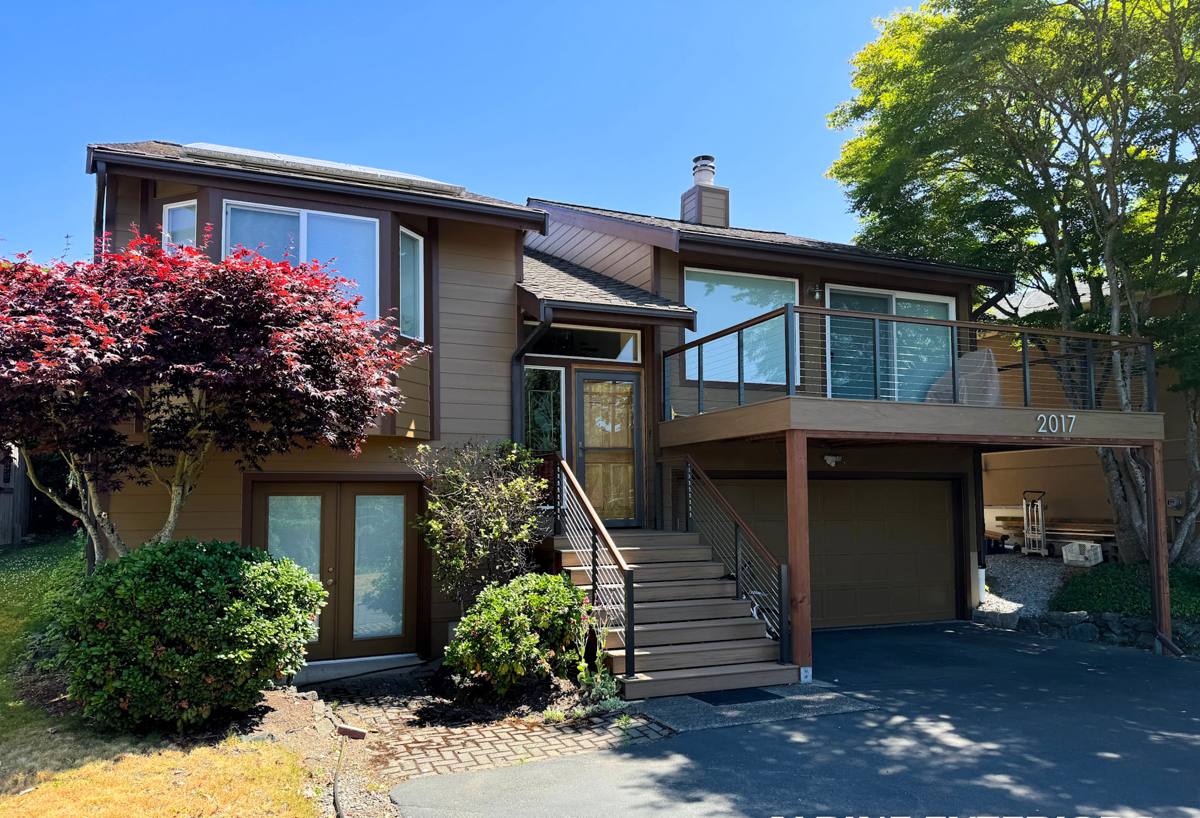
What This Climate Does to Windows Over Time
Three things drive most of the window problems we see in Silver Beach and the surrounding area:
- Salt-tinged, moisture-heavy air — accelerates corrosion on hardware, hinges, and metal frame components that weren't rated for coastal exposure.
- Driving, wind-blown rain — pushes water sideways into gaps that would stay dry in a calmer climate, exposing weak flashing and poor sealant work.
- Extended moss and mildew season — organic growth holds moisture against wood trim and sills far longer than it should, which speeds up rot at exactly the points where a window meets the wall.
None of this means windows here fail faster because the products are bad. It means the installation has to account for water management first, and everything else second. A window that's beautiful but poorly flashed will underperform a plain window that's sealed and flashed correctly, every time, in this climate.
Signs a Window Is Past Its Useful Life
Homeowners often wait too long on window replacement because the symptoms look minor at first. Worth paying attention to:
- Fogging or a hazy band between the panes (failed insulated glass seal)
- Soft or discolored wood at the sill or lower corners of the frame
- Windows that are noticeably harder to open, close, or lock than they used to be
- Visible daylight or a draft you can feel at the frame edge on a windy day
- Paint that keeps peeling or bubbling on the interior trim near the window, even after repainting
- A musty smell in the room that doesn't go away with cleaning
Any one of these on its own might be a minor fix. Two or three together, especially soft wood plus fogging, usually means the window has moved from "repairable" to "replace before it causes wall damage."
What a Correct Window Replacement Job Actually Involves
The window itself is only part of the job. In our experience, most window failures we get called out to inspect trace back to installation shortcuts, not a bad product. A correct replacement includes:
Removal Without Collateral Damage
Old windows come out carefully so we can inspect the framing underneath before anything new goes in. This is the point where hidden rot or water staining shows up — and it needs to be dealt with now, not covered over.
Sheathing and Framing Repair
If there's soft wood, old failed flashing, or signs of past leaks, that gets addressed before the new window goes in. Installing a new window into a compromised opening just delays the same problem.
Flashing and Water Management
This is the step that matters most in a climate like Whatcom County's. Properly lapped flashing tape, correctly integrated with the house wrap or building paper, directs water down and out instead of letting it track behind the siding. This detail is invisible once the job is done — but it's the difference between a window that lasts decades and one that causes a rot problem five years from now.
Air Sealing and Insulation
The gap between the window frame and the rough opening gets sealed and insulated properly, not just stuffed with fiberglass or foam and left. This affects both drafts and long-term moisture control.
Interior and Exterior Trim
Trim gets reset or replaced so it sheds water correctly and looks finished — caulked and painted (or left factory-finished on vinyl trim) to match the rest of the house.
Material and Glass Options
There's no single "best" window material — it depends on the home, the budget, and how much upkeep the owner wants to do. Here's how the common options stack up for a marine-influenced Whatcom County climate:
| Frame Material | Moisture Performance | Maintenance | Typical Lifespan |
|---|---|---|---|
| Vinyl | Very good — won't rot, low sealant sensitivity | Low — occasional cleaning | 20–30+ years |
| Fiberglass | Excellent — dimensionally stable in wet/dry cycles | Low | 30+ years |
| Wood (clad exterior) | Good if cladding and flashing are correct; vulnerable if not | Higher — interior wood care, watch cladding seams | 20–30+ years with upkeep |
| Aluminum | Fair — prone to condensation without thermal breaks | Low, but corrosion risk near salt air without proper coating | 20–25 years |
For glass, double-pane with low-E coating and argon fill is the practical baseline for this climate — it manages both the heat loss in winter and the condensation risk that comes with our humidity. Triple-pane is worth discussing on north-facing rooms or homes closer to the water where wind exposure is higher, but it's a cost-and-benefit conversation, not an automatic upgrade for every window.
Our Process
- Walkthrough and estimate — we look at every window being considered, not just the ones that are obviously failing, and flag any framing concerns we can see.
- Written quote — material options, glass specs, and a clear price, with no pressure to decide on the spot.
- Scheduling around weather — we plan install days with rain in mind so openings aren't sitting exposed longer than necessary.
- Removal and inspection — old windows come out, framing gets checked, any repairs get flagged and discussed before proceeding.
- Install, flash, seal, trim — done in that order, every time, no skipped steps.
- Walkthrough and cleanup — we go over the finished windows with the homeowner and clear the job site.
Cost Factors Worth Understanding
Window replacement pricing varies a lot based on specifics, but the main drivers are consistent:
| Factor | Why It Affects Cost |
|---|---|
| Frame material | Fiberglass and higher-end vinyl cost more upfront than builder-grade vinyl or aluminum |
| Glass package | Triple-pane, specialty coatings, or tempered/safety glass add cost per window |
| Framing condition | Rot repair or resizing an opening adds labor beyond a standard swap |
| Window size and style | Large picture windows, bays, and custom shapes cost more than standard double-hungs |
| Number of windows | Whole-house replacements typically bring a better per-window rate than one-offs |
| Trim and finish work | Matching existing trim profiles or repainting adds labor time |
We'd rather walk a homeowner through these factors honestly during the estimate than throw out a number that doesn't hold up once we're actually looking at the framing.
Why a Local Whatcom County Crew Matters Here
Window replacement is one of those jobs where local experience shows up in details that are easy to miss otherwise. A crew that regularly works Silver Beach and the rest of Whatcom County already knows what this climate does to a poorly flashed opening, has seen how moss and moisture behave against different siding types in this area, and isn't guessing at how much wind-driven rain a given exposure gets. That translates into fewer surprises during the job and a better chance the install performs the way it's supposed to for the next twenty-plus years, not just the first two.
It also means someone local is available if a question comes up after the job — not a call center for a crew that installed windows here once and moved on.
Keeping New Windows Performing Long-Term
A correct install is most of the battle, but a little seasonal attention keeps windows performing for the long haul in this climate:
- Clear debris and moss buildup from sills and tracks before the wet season sets in
- Check exterior caulking annually and re-seal any cracked or peeling sections
- Keep gutters and downspouts clear so runoff isn't sheeting directly over windows
- Test locks and hardware yearly — stiff hardware can be an early sign of frame movement
- Wipe condensation from interior glass promptly in cold snaps to protect sills and trim
If your windows in Silver Beach are showing their age, or you're just weighing whether repair or replacement makes more sense, we're happy to take a look and give you an honest read — no pressure, no pushy sales pitch. Use the form below to request a free estimate.