 Whatcom County
 Storm Damage Roof Repair Built for Silver Beach Conditions
Silver Beach sits close enough to the water that its roofs deal with a different mix of stress than homes further inland in Whatcom County. Wind off the bay, salt-laden air, driving winter rain, and a moss season that can run most of the year all work on a roof at the same time. When a storm rolls through and knocks something loose, the damage is rarely as simple as it looks from the ground. A missing shingle or a soft spot on the ceiling is usually the visible tip of a problem that started with wind uplift, driven rain, or moisture that's been building for longer than the storm itself.
This page covers what storm damage roof repair actually involves for a Silver Beach home, what our process looks like from first call to finished job, and why local experience with this specific stretch of Whatcom County matters more than it might seem.
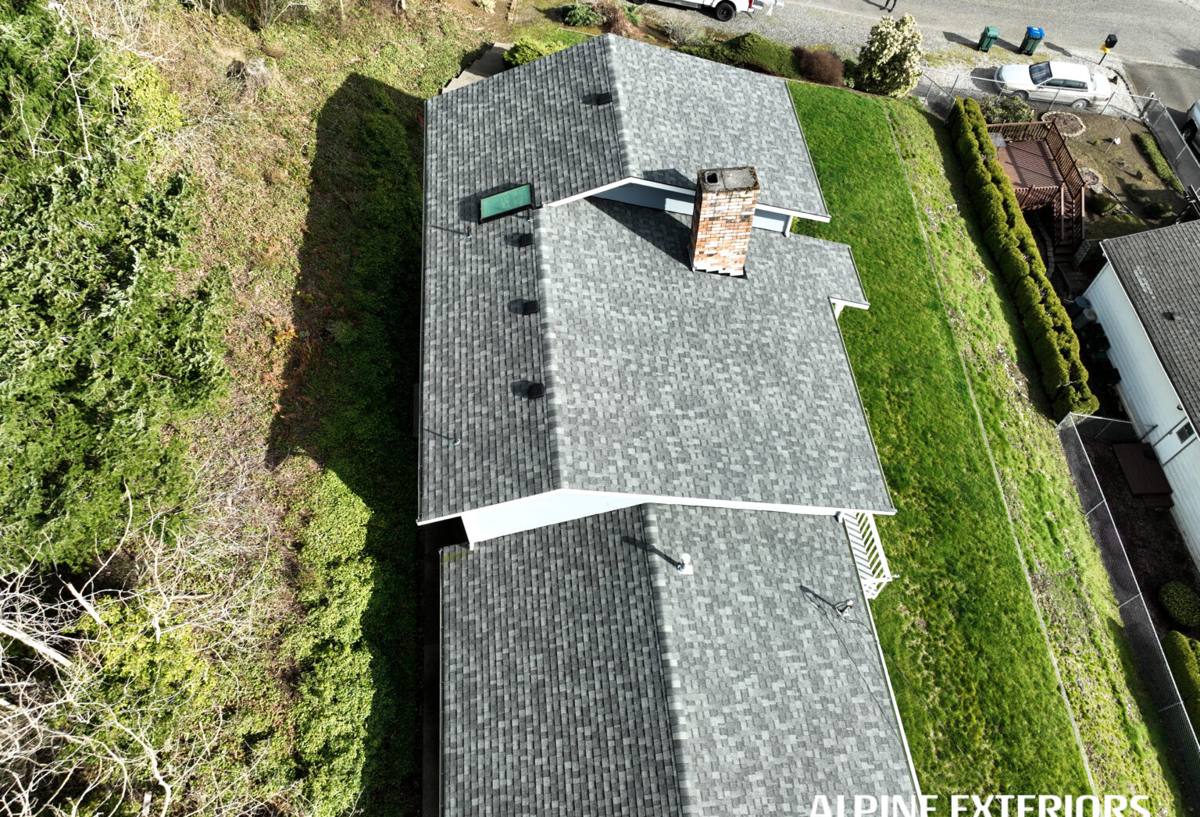
Why Silver Beach Roofs Take a Different Kind of Beating
Salt Air and Corrosion
Proximity to saltwater accelerates corrosion on exposed metal — flashing, fasteners, gutter hardware, and vent caps age faster here than they would on a roof twenty miles inland. A storm that rips off a section of shingles often exposes flashing or fasteners that were already weakened by salt exposure, which is why a proper repair has to look past the obvious damage and check the metal underneath.
Wind and Driving Rain
Storms coming off the water tend to drive rain sideways rather than straight down. That matters because a roof can shed a normal rainstorm just fine but still let water in during a wind-driven one, especially around ridge caps, valleys, and anywhere shingles have been lifted even slightly. Wind uplift is one of the most common causes of storm damage we see — shingles that look intact from the ground but have had their seal broken, so the next hard rain finds a way underneath.
Moss and Trapped Moisture
Whatcom County's damp climate supports a long moss season, and moss does real damage over time — it holds moisture against the roof surface, works its way under shingle edges, and can lift tabs enough for wind and rain to finish the job during a storm. A roof with existing moss buildup is more vulnerable to storm damage than a clean one, and moss growth after a repair is often a sign that ventilation or drainage wasn't addressed along with the visible fix.
What Storm Damage Actually Looks Like
Homeowners usually call us about one of a few things: a visible gap in the shingle field, a leak that shows up during or after a storm, debris damage from a fallen branch, or a section of flashing that's come loose. But storm damage isn't always visible from the driveway. Some of the most common issues we find during an inspection include:
- Shingles with broken seals that haven't blown off yet but no longer lie flat
- Flashing pulled away from chimneys, walls, or roof-to-wall transitions
- Granule loss on shingles from wind-driven debris, which shortens their remaining lifespan
- Soft or discolored roof decking under a spot that looks fine from outside
- Gutter and downspout damage that redirects water back toward the roofline instead of away from it
- Displaced ridge caps, which are especially vulnerable to wind because they sit at the roof's highest, most exposed line
Because a lot of this isn't visible without getting on the roof, a phone estimate or a look from the ground can miss real damage. That's part of why a proper storm repair starts with an actual inspection, not a guess.
Our Storm Damage Repair Process
1. Inspection and Documentation
We start by getting on the roof and documenting the actual condition — not just the spot the homeowner noticed, but the surrounding area, since storm damage tends to cluster around edges, valleys, and penetrations rather than staying isolated to one shingle. We check flashing, decking, ventilation, and the general condition of the roofing material so the repair addresses cause, not just symptom.
2. A Clear, Honest Scope
Once we know what's actually wrong, we explain it in plain terms: what needs to be repaired now, what's borderline and worth watching, and what's fine. We don't pad a repair into a full re-roof when a repair will genuinely hold, and we don't downplay damage that's going to leak again in the next storm if it's left alone.
3. The Repair Itself
Depending on what the inspection turns up, this can mean replacing damaged shingles and matching them as closely as possible to the surrounding roof, resealing or replacing flashing, repairing or replacing damaged decking before new material goes down, and clearing moss or debris that contributed to the problem. Fasteners and flashing exposed to salt air get upgraded to corrosion-resistant materials where it makes sense, since replacing standard hardware with the same standard hardware in this environment just invites a repeat call in a few years.
4. Follow-Through
We check that drainage — gutters, downspouts, and roof valleys — is actually moving water away from the repaired area, not just that the patch itself looks good. A repair that ignores drainage is a repair that's likely to need revisiting.
Repair vs. Replacement: How We Make the Call
Not every storm-damaged roof needs full replacement, and not every roof can be safely patched. The table below outlines the general factors that push a decision one way or the other — every roof is different, so this is a starting point for the conversation, not a substitute for an actual inspection.
| Factor | Favors Repair | Favors Replacement |
|---|---|---|
| Age of roofing material | Under 10-12 years, in generally good condition | Nearing or past expected lifespan |
| Extent of damage | Isolated to one section or slope | Spread across multiple areas or slopes |
| Decking condition | Solid, no rot or soft spots found | Widespread soft decking or water staining |
| Shingle match availability | Close match available for a clean patch | Discontinued or badly weathered material, patch would be visible |
| History of repeat leaks | First occurrence, clear single cause | Recurring leaks in different spots over time |
We'll tell you honestly which side of that line your roof falls on, including when a repair is the right call even though replacement would be the bigger job for us.
What a Homeowner Can Check After a Storm
Before we're even on site, there are a few things worth checking from the ground or from inside the house — mainly so you know what to describe when you call, and so you can catch water intrusion early. Never get on the roof yourself after storm damage; this is about what's visible and safe to check from below.
- Water stains, sagging, or discoloration on ceilings, especially near exterior walls or chimneys
- Granules collecting in gutters or at downspout outlets, which can signal shingle wear
- Visible gaps, curling, or missing shingles from the ground or a neighboring vantage point
- Debris — branches, siding pieces, or shingle fragments — in the yard or gutters
- Attic space checked for daylight, damp insulation, or musty odor after the storm passes
- Gutters and downspouts checked for new dents, separation, or blockage
If you notice any of these, it's worth getting an inspection scheduled rather than waiting for the next storm to make the problem worse.
Materials and Installation Standards We Hold To
For storm repairs in a salt-air, high-moisture environment like Silver Beach, we lean toward corrosion-resistant flashing and fasteners even when it costs a little more up front, because standard hardware tends to fail again within a few years in this climate — and a second repair costs more than doing it right the first time. We also pay close attention to matching shingle type and, where possible, color and wear level, since a mismatched patch can actually accelerate wear at the seam between old and new material. Where ventilation is part of the problem — trapping moisture that speeds up moss growth and decking deterioration — we'll flag it as part of the scope rather than treating it as a separate upsell.
Why Local Experience in Silver Beach Matters
A crew that regularly works this part of Whatcom County already knows what tends to go wrong here: which roof types hold up to the wind patterns off the water, how fast moss reestablishes without proper drainage and airflow, and which fastener and flashing choices actually hold up against salt exposure over time. That's the kind of judgment that comes from doing the work in this specific area repeatedly, not from a general roofing checklist applied the same way everywhere. It also means faster response after a storm — when a lot of homes in the same area get hit at once, being familiar with the neighborhood and its typical roof types speeds up both the inspection and the repair.
Get a Free, No-Pressure Estimate
If a recent storm left you with a damaged roof, a leak, or just an area you'd like a second look at, we're happy to come take a look. There's no pressure and no obligation — just a straight assessment of what's actually going on and what it would take to fix it right. Use the form below to request a free estimate.